Tricolour hoisted for first time in 9 Abujhmad villages, free of Naxal fear
Synopsis
For the first time since 1947, nine villages deep inside Abujhmad — once among India's most impenetrable Naxal strongholds — raised the Indian Tricolour on Independence Day. Declared Naxal-free just months earlier, on 31 March 2026, these communities celebrated not just a national holiday but the end of decades of enforced silence and fear.
Key Takeaways
The Indian Tricolour was hoisted for the first time since Independence in nine Abujhmad villages in Chhattisgarh on 15 August 2025 .
The villages — Korskodo, Hachekoti, Adnar, Boter, Kumnar, Diwalur, Gundekot, Rekapal , and Rasmeta — were once key Naxal hideouts and operational bases.
The area was officially declared Naxal-free on 31 March 2026 , paving the way for the historic celebrations.
Residents expressed a desire to join the national mainstream after decades of isolation imposed by Left Wing Extremist violence.
The event is seen as a marker of a broader security shift in Bastar and central India's LWE-affected belt.
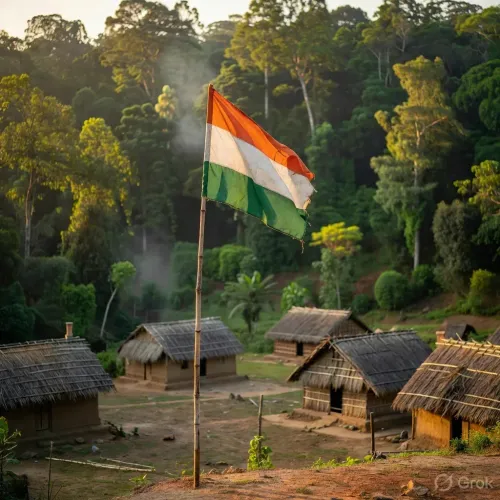
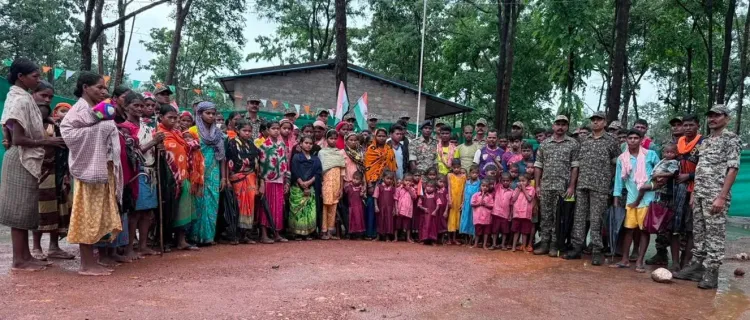
For the first time since Independence, the Indian Tricolour was hoisted in nine villages of Abujhmad, Chhattisgarh, on 15 August 2025 — the country's 80th Independence Day — marking a historic milestone for communities that had lived for decades under the shadow of Naxal violence, according to police officials. The simple act of flag-hoisting carried a weight far beyond ceremony in a region where such observances had long been impossible.
The Nine Villages That Raised the Flag
Residents of Korskodo, Hachekoti, Adnar, Boter, Kumnar, Diwalur, Gundekot, Rekapal, and Rasmeta celebrated the occasion with open pride and visible emotion, free from the intimidation that had silenced national festivals for generations. Police officials said the celebrations reflected both relief and a deep sense of belonging.
These remote villages were once among the most heavily Naxal-affected pockets in Chhattisgarh, serving as hideouts and operational bases for senior Naxal leadership. The climate of fear had made it impossible for residents to participate in national events without risking their safety.
What Changed: The March 2026 Declaration
The turning point came on 31 March 2026, when the area was officially declared free of Naxal influence, according to officials. This Independence Day became the first opportunity for villagers to raise the national flag with full dignity and collective joy — a moment that had been denied to them since the country's Independence in 1947.
Notably, Abujhmad has historically been one of the most impenetrable Naxal strongholds in central India, with its dense forest cover and geographical isolation making it a long-term refuge for Left Wing Extremist (LWE) cadres. The declaration of the region as Naxal-free represents a significant shift in the security landscape of Chhattisgarh.
Scenes from the Celebrations
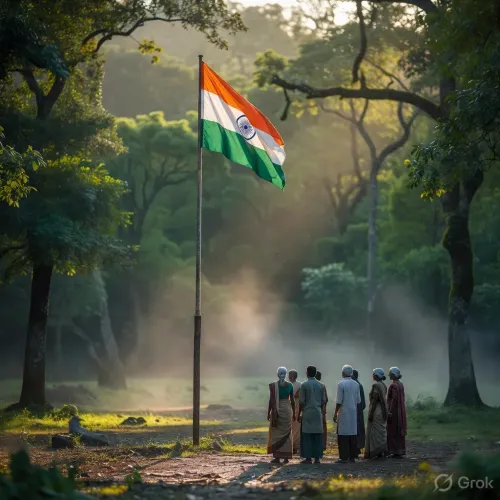
As the Tricolour fluttered against the sky, residents saluted the flag, shared festive spirit, and expressed their desire to join the national mainstream after years of enforced isolation. For many villagers, the day was deeply personal — an affirmation that peace had returned and that democratic values could now take root in their communities.
This comes amid a broader government push to bring LWE-affected regions into the development fold, with security operations in Bastar and surrounding areas intensifying over the past two years. Officials have pointed to the Abujhmad celebrations as evidence that the anti-Naxal strategy is yielding durable results on the ground.
What This Signals for the Region
The hoisting of the Tricolour in these nine villages is more than a symbolic gesture. It marks the beginning of open participation in democratic life for communities long kept apart from it. Development infrastructure — roads, schools, healthcare — which had been absent or disrupted due to the security situation, is now expected to follow.
The event stands as a clear indicator that Abujhmad is moving beyond conflict toward stability and inclusion. Whether this peace holds and translates into lasting development for the region's residents will be the measure of its true significance.
Point of View
But the harder question is what comes next. Security gains in LWE-affected regions have historically been fragile — areas declared 'Naxal-free' have reverted before when development did not follow. The real test for these nine villages is whether roads, schools, and healthcare arrive before disillusionment does. A flag raised once must be kept flying by something more durable than a security operation.
NationPress
29 Sept 2026
Frequently Asked Questions
Which villages in Abujhmad hoisted the Tricolour for the first time on Independence Day?
The nine villages are Korskodo, Hachekoti, Adnar, Boter, Kumnar, Diwalur, Gundekot, Rekapal, and Rasmeta. All are located in the Abujhmad region of Chhattisgarh and were previously among the most heavily Naxal-affected areas in central India.
When was Abujhmad declared Naxal-free?
The Abujhmad region was officially declared free of Naxal influence on 31 March 2026, according to police officials. This declaration made the 80th Independence Day the first occasion on which residents could hoist the national flag without fear.
Why could these villages not celebrate Independence Day earlier?
These villages served as hideouts and operational bases for senior Naxal leadership for decades. The climate of intimidation made it impossible for residents to hoist the Tricolour or participate in national festivals without risking their safety.
What is the significance of the Abujhmad Independence Day celebrations?
The celebrations mark the end of decades of enforced isolation for communities that had been cut off from mainstream democratic life. It signals a shift from Naxal control to state authority and opens the door for development infrastructure to reach the region.
What is Abujhmad and why is it significant in the context of Naxalism?
Abujhmad is a densely forested, geographically isolated region in Chhattisgarh that has historically been one of India's most impenetrable Left Wing Extremist strongholds. Its terrain made it a long-term refuge for Naxal cadres, keeping it beyond the reach of both state administration and development for decades.