TMC rejects ED allegations over ₹440 crore bank account freeze

Synopsis
The ED's probe into ₹440 crore parked in three frozen Trinamool Congress bank accounts is not just a money-laundering investigation — it is the product of a party tearing itself apart. The freeze was triggered by TMC's own former treasurer and a rebel MLA faction before the ED ever stepped in, making this as much a story of internal collapse as of federal agency action.
Key Takeaways
The Enforcement Directorate (ED) alleged dubious transactions through three Trinamool Congress bank accounts holding ₹440 crore in total deposits.
TMC rejected the allegations on 8 July , calling the action 'arbitrary and illegal' and politically motivated by the BJP .
The debit restrictions were originally imposed following requests from former treasurer Aroop Biswas and a rebel MLA faction led by expelled MLA Ritabrata Banerjee .
The Calcutta High Court declined to grant interim relief to the Mamata Banerjee -led faction seeking to lift the freeze.
The ED conducted raids at five locations in Kolkata on Tuesday under the Prevention of Money Laundering Act (PMLA) .
The Trinamool Congress (TMC) on Wednesday, 8 July firmly rejected allegations made by the Enforcement Directorate (ED) of dubious transactions through three of its bank accounts, on which debit restrictions have already been imposed, describing the central agency's action as politically motivated. The accounts in question collectively hold deposits of ₹440 crore.
TMC's Defence: Full Disclosure, Transparent Funds
In a statement issued on Wednesday evening, the party asserted that all funds held in its accounts had been fully and transparently disclosed. 'All funds held in the party's bank accounts have been fully and transparently disclosed. The party has duly reported all donation transactions to the Election Commission of India (ECI) and the Income Tax Department. These disclosures are published annually on the ECI's website and are available in the public domain,' the Trinamool Congress statement said.
The party also noted that details relating to electoral bonds were already available with the Government of India, since the bonds were issued by the State Bank of India (SBI) and subsequently submitted before the Supreme Court.
TMC Calls Action 'Arbitrary and Illegal'
Referring to the freezing of the three accounts, the Trinamool Congress termed the move arbitrary and illegal. 'The misuse of investigative agencies to target political opponents has become a hallmark of the BJP's politics and represents a serious assault on democratic institutions and the principles of a level playing field,' the party said.
This comes amid a broader pattern of opposition parties alleging that central investigative agencies are being weaponised against political rivals — a charge the ruling Bharatiya Janata Party (BJP) has consistently denied.
How the Accounts Were Frozen: A Factional Dispute
The debit restrictions originated not from the ED, but from within the party itself. Aroop Biswas, the party's former treasurer and former West Bengal Sports and Power Minister, wrote to the bank seeking a freeze on the accounts, citing apprehensions that the funds could be misused.
Subsequently, MLAs belonging to the 'rebel but majority' faction of the Trinamool Congress Legislature Party, led by expelled MLA Ritabrata Banerjee, approached the West Bengal Police with a similar request, alleging the accounts could contain proceeds of corruption and extortion. Acting on these complaints, the police directed the bank to impose debit restrictions.
Court Declines Relief; ED Steps In
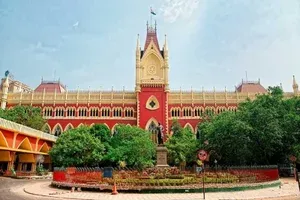
The 'original but minority' faction of the party, led by Mamata Banerjee and Abhishek Banerjee, challenged the restrictions before the Calcutta High Court. The court, however, declined to grant interim relief and did not lift the debit freeze.
The ED subsequently initiated its own investigation, taking cognisance of allegations that proceeds of corruption and extortion may have been routed through the accounts — bringing the matter within the ambit of the Prevention of Money Laundering Act (PMLA). On Tuesday, ED officials conducted raids and searches at five locations in Kolkata in connection with the probe.
What Happens Next
With the Calcutta High Court declining interim relief and the ED's investigation now formally underway, the Trinamool Congress faces simultaneous legal and political pressure. The party's internal factional conflict — which triggered the original freeze — remains unresolved, and the outcome of the ED probe could have significant implications for the former ruling party's finances ahead of future electoral cycles.
Point of View
Giving the agency a legally cleaner entry point than in many prior opposition-targeting cases. The factional war inside Trinamool is doing the opposition's work for it, and the BJP has not needed to fire the first shot. Whether the PMLA probe leads to substantive charges or stalls like several past high-profile political money cases will be the real test of institutional intent.
NationPress
8 Jul 2026
Frequently Asked Questions
Why have the Trinamool Congress bank accounts been frozen?
Three TMC bank accounts holding a combined ₹440 crore have been subjected to debit restrictions following requests from the party's own former treasurer Aroop Biswas and a rebel MLA faction led by expelled MLA Ritabrata Banerjee, who alleged the funds could be misused or contain proceeds of corruption. The West Bengal Police subsequently directed the bank to impose the freeze.
What has the Enforcement Directorate alleged against TMC?
The ED has alleged dubious transactions through the three frozen Trinamool Congress bank accounts. The agency initiated its investigation under the Prevention of Money Laundering Act (PMLA) after taking cognisance of allegations that proceeds of corruption and extortion may have been routed through the accounts, and conducted raids at five Kolkata locations on Tuesday.
How has the Trinamool Congress responded to the ED's allegations?
TMC rejected the allegations outright, stating that all funds in its accounts have been fully disclosed to the Election Commission of India and the Income Tax Department. The party called the ED's action politically motivated and described the freeze as arbitrary and illegal, accusing the BJP of misusing investigative agencies against political opponents.
What did the Calcutta High Court rule on the account freeze?
The Calcutta High Court declined to grant interim relief to the Mamata Banerjee-led faction of the party that challenged the debit restrictions. The court did not lift the freeze, allowing the restrictions to remain in place while the ED's investigation proceeds.
Who is Ritabrata Banerjee and what role did he play in this case?
Ritabrata Banerjee is an expelled Trinamool Congress MLA who leads what has been described as the 'rebel but majority' faction of the TMC Legislature Party. His faction approached the West Bengal Police requesting the account freeze, alleging the funds could contain proceeds of corruption and extortion — a complaint that contributed to the police directing the bank to impose debit restrictions.