CM Bhajan Lal inspects Delhi-Mumbai Expressway in Bundi
Synopsis
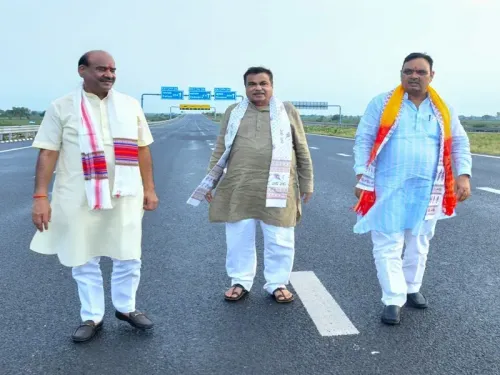
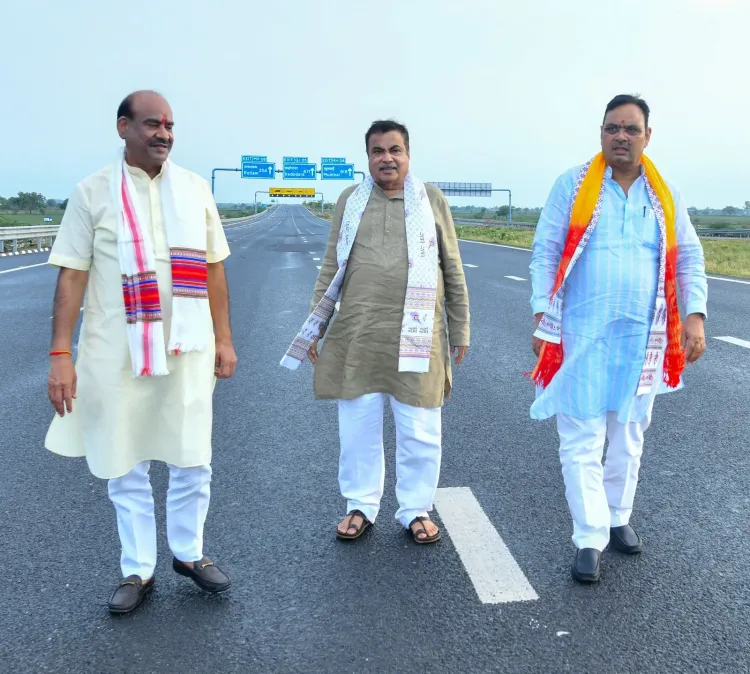
Rajasthan CM Bhajan Lal Sharma inspected the Delhi-Mumbai Expressway at Laban in Bundi on 8 July 2026 with Lok Sabha Speaker Om Birla and Union Minister Nitin Gadkari, highlighting the corridor's role in boosting state connectivity and economic growth under the Viksit Rajasthan-Viksit Bharat vision.
Key Takeaways
CM Bhajan Lal Sharma conducted an on-site inspection of the Delhi-Mumbai Expressway at Laban, Bundi on 8 July 2026 .
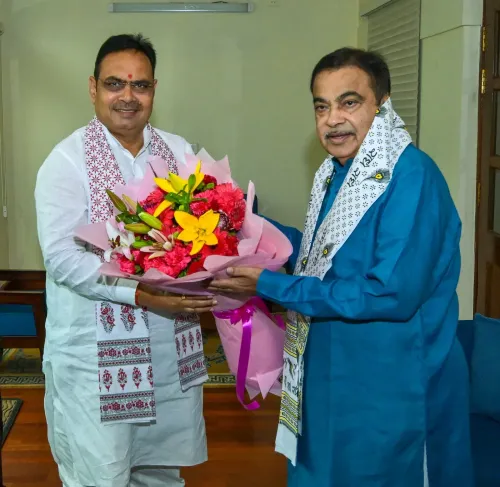
Lok Sabha Speaker Om Birla and Union Road Transport Minister Nitin Gadkari accompanied the Chief Minister during the visit.
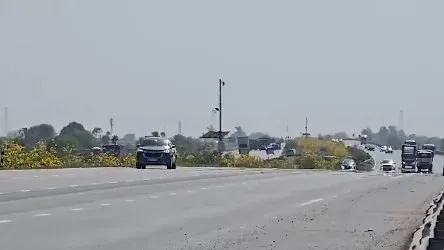
The expressway is a 1,350-km greenfield corridor under Bharatmala Pariyojana , with construction in phases since 2018 .
The corridor is expected to improve logistics efficiency, reduce freight costs, and boost tourism in Rajasthan districts including Bundi .
Rajasthan cabinet ministers Madan Dilawar and H.
Nagar were also present at the inspection.
The visit aligns with the state government's Viksit Rajasthan-Viksit Bharat infrastructure agenda.
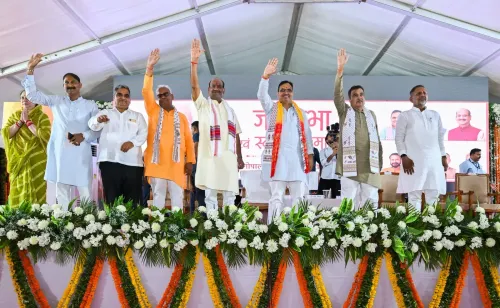
Rajasthan Chief Minister Bhajan Lal Sharma on Wednesday, 8 July 2026 inspected the Delhi-Mumbai Expressway at Laban in Bundi district alongside Lok Sabha Speaker Om Birla and Union Minister for Road Transport and Highways Nitin Gadkari. The visit underscored the expressway's centrality to Rajasthan's connectivity and economic growth agenda under the Viksit Rajasthan-Viksit Bharat ('Developed Rajasthan-Developed India') vision.
Context
Posting on X after the inspection, CM Sharma described the expressway as 'built and operated to world-class standards,' saying it is 'providing new momentum to better connectivity, faster movement, and economic activities in Rajasthan.' He also noted the presence of cabinet colleagues Madan Dilawar and H. L. Nagar during the visit. The Chief Minister credited Prime Minister Narendra Modi's 'visionary leadership' for infrastructure developments of this scale.
Bundi, a district in eastern Rajasthan historically dependent on state highways, gains direct high-speed access to both Delhi and Mumbai through the expressway corridor. Om Birla, who represents the Kota-Bundi parliamentary constituency, has been a vocal advocate for accelerating infrastructure projects in the region.
Policy Backdrop
The Delhi-Mumbai Expressway is a flagship 1,350-km greenfield corridor under the Bharatmala Pariyojana, the central government's 2015 programme targeting construction of 34,800 km of national highways and expressways across India. Construction began in phases from 2018 onward, with the Rajasthan segment forming a critical link between the national capital and the country's financial capital.
The expressway traverses Rajasthan's industrial corridors and tourism nodes, positioning the state as a logistics and transit hub. Joint inspections by central ministers and state chief ministers are a standard mechanism used to review progress, resolve inter-agency bottlenecks, and signal political commitment to timely delivery.
Stakeholders and Impact
Rajasthan's logistics sector stands to benefit most immediately: reduced travel time on the corridor lowers freight costs and improves supply-chain efficiency for businesses moving goods between northern and western India. Tourism-dependent districts along the alignment, including Bundi — known for its step-wells and heritage forts — could see higher visitor inflows as road access improves.
Commuters and inter-city travellers gain safer, uninterrupted travel under what CM Sharma called the government's 'highest priority': ensuring 'safe, smooth, and seamless journeys with modern infrastructure.' Small and medium enterprises in Rajasthan's industrial clusters are also expected to benefit from faster market access.
What's Next
Attention will now focus on the operationalisation of remaining expressway stretches within Rajasthan and the release of state-level economic-impact assessments. Feeder roads connecting smaller towns to the main corridor, and potential industrial-park announcements along the alignment, are likely to feature in upcoming state budget discussions. Wednesday's high-profile inspection signals that both the central government and the Rajasthan administration intend to keep infrastructure delivery at the top of the political agenda ahead of the next electoral cycle.
Point of View
The Union highways minister, and the state chief minister in a single frame sends a clear signal of coordinated BJP governance from Delhi to Jaipur. For CM Sharma, who took office in December 2023, visible infrastructure milestones on a nationally prominent corridor are essential to building a development-delivery narrative ahead of future elections. The framing around Viksit Rajasthan-Viksit Bharat deliberately ties state-level outcomes to Prime Minister Modi's national brand, reinforcing vertical political alignment within the party. Operationalisation of remaining Rajasthan stretches and feeder-road announcements will be the real test of whether the momentum translates into ground-level impact.
NationPress
8 Jul 2026
Frequently Asked Questions
What is the Delhi-Mumbai Expressway and how does it pass through Rajasthan?
The Delhi-Mumbai Expressway is a 1,350-km greenfield high-speed corridor under the Bharatmala Pariyojana that connects the national capital to Mumbai. It passes through Rajasthan, including Bundi district, improving connectivity for commuters, logistics companies, and businesses in the state.
Why did CM Bhajan Lal Sharma visit Bundi on 8 July 2026?
CM Bhajan Lal Sharma visited Laban in Bundi on 8 July 2026 to inspect the Delhi-Mumbai Expressway alongside Lok Sabha Speaker Om Birla and Union Minister Nitin Gadkari , reviewing progress and highlighting the corridor's role in Rajasthan's development.
What is Bharatmala Pariyojana?
Bharatmala Pariyojana is a central government programme launched in 2015 to construct 34,800 km of national highways and expressways across India, with the Delhi-Mumbai Expressway being one of its flagship projects.
How will the Delhi-Mumbai Expressway benefit Rajasthan's economy?
The expressway is expected to lower freight and logistics costs, attract industrial investment along the corridor, boost tourism in heritage districts like Bundi , and provide faster market access for small and medium enterprises across Rajasthan.
Who else was present at the Bundi expressway inspection?
Besides CM Bhajan Lal Sharma , Lok Sabha Speaker Om Birla , and Union Minister Nitin Gadkari , Rajasthan cabinet ministers Madan Dilawar and H. L. Nagar were also present at the inspection in Laban, Bundi.