Vaishno Devi track: 2 illegal pony operators booked in Reasi, J&K
Synopsis
With Independence Day footfall surging on the Vaishno Devi track, Reasi police set up a surprise checkpoint at Banganga and caught two men running pony services without valid cards. Two FIRs at Katra Police Station signal that authorities are tightening enforcement on one of India's busiest pilgrimage routes — where uncertified operators pose real risks to thousands of devotees.
Key Takeaways
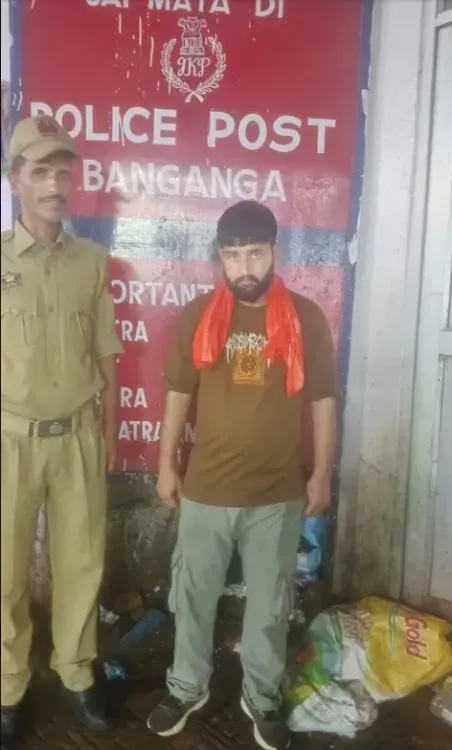
Raj Singh of Kakra and Abhishek Singh of Thakarakote were intercepted at a checkpoint near Banganga on 11 August .
Both were found operating pony services on the Vaishno Devi track without valid pony cards.
Two separate FIRs have been registered at Katra Police Station under relevant provisions of law.
The checkpoint was part of a security intensification drive ahead of Independence Day on 15 August .
The Shri Mata Vaishno Devi Shrine Board , chaired by Lt Governor Manoj Sinha , regulates all operations on the track.
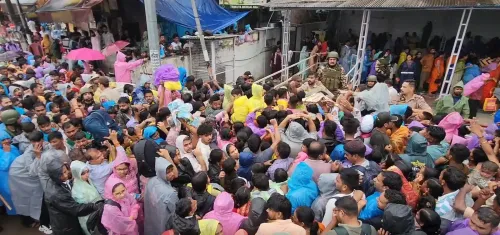
Two illegal pony operators were booked by police on Tuesday, 11 August on the Shri Mata Vaishno Devi pilgrimage track in Reasi district, Jammu and Kashmir, after being intercepted at a surprise checkpoint near Banganga. The action was part of intensified security arrangements ahead of Independence Day on 15 August.
How the Operators Were Caught
Raj Singh of Kakra village and Abhishek Singh of Thakarakote village were stopped at a checkpoint established along the route to the cave shrine atop the Trikuta hills. Police found both men operating without valid pony cards, a mandatory requirement for those offering pony services to pilgrims on the track.
Two separate First Information Reports (FIRs) have been registered against the accused at Katra Police Station under the relevant provisions of law, a police spokesperson confirmed.
Why the Crackdown Was Launched
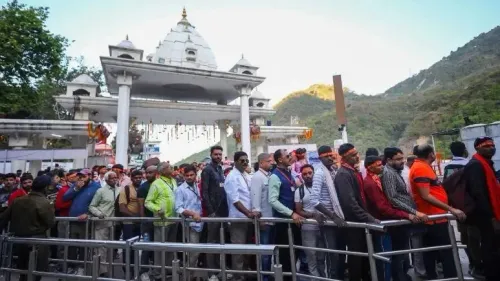
The surprise checkpoint was set up as part of a broader verification drive covering pony, pithoo (porter), and palki operators working along the Vaishno Devi track. Authorities intensified checks in the run-up to Independence Day, when pilgrim footfall on the route typically surges.
Police reiterated that strict action will be taken against anyone found violating the prescribed rules governing pony and palki operations, particularly in areas witnessing heavy pilgrim movement. The stated aim is to ensure the safety and convenience of pilgrims and visitors.
About the Vaishno Devi Shrine and Its Track
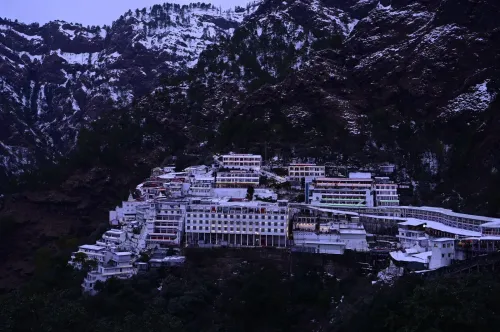
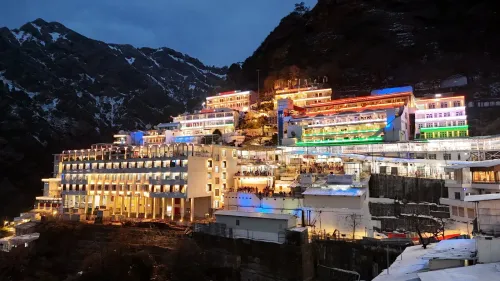
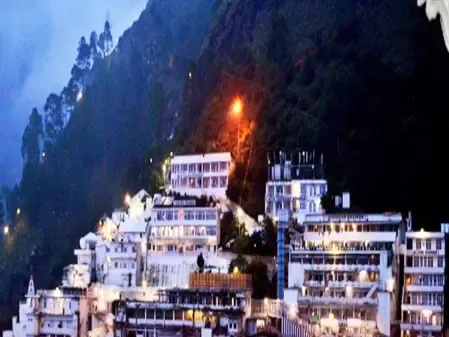
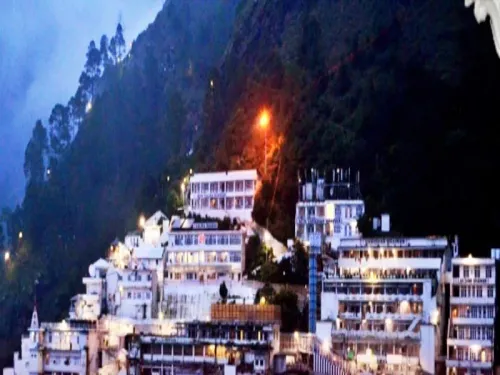
The Shri Mata Vaishno Devi shrine is one of India's most revered Hindu pilgrimage sites, located in the Trikuta Mountains in the Katra area of Reasi district at an altitude of 5,200 feet. Pilgrims trek approximately 12 to 13 km uphill from the base camp at Katra to reach the sanctum, which houses three natural rock formations — known as Pindies — representing Mahakali, Mahalakshmi, and Mahasarasvati.
Transport options along the route include walking, pony rides, electric auto services, palkis, and helicopter services from Katra to Sanjichhat. The shrine's management is overseen by the Shri Mata Vaishno Devi Shrine Board, established in 1986, with Lieutenant Governor Manoj Sinha serving as its ex-officio Chairman.
Enforcement Outlook
This is not the first time unauthorised operators have been found working the Vaishno Devi track. Illegal pony and palki services pose risks to pilgrims, who may be overcharged or inadequately served by uncertified operators. With the Independence Day rush expected to bring thousands of additional devotees to Katra, authorities are likely to maintain heightened checks along the route in the days ahead.
Point of View
But it points to a persistent regulatory gap on one of India's highest-footfall pilgrimage corridors. The Vaishno Devi track draws millions of devotees annually, and the presence of uncertified pony and palki operators is a recurring problem that the Shrine Board and district police have struggled to fully contain. Crackdowns tied to high-traffic dates like Independence Day are reactive by nature; the deeper question is whether year-round verification infrastructure is adequate. Pilgrims relying on unlicensed operators face risks ranging from overcharging to physical safety hazards on a steep, crowded mountain trail.
NationPress
11 Aug 2026
Frequently Asked Questions
Why were the two pony operators booked on the Vaishno Devi track?
Raj Singh and Abhishek Singh were booked on 11 August because they were found operating pony services on the Shri Mata Vaishno Devi track without valid pony cards, which are mandatory for all pony operators on the route. Two FIRs were registered against them at Katra Police Station.
Where exactly were the operators caught?
They were intercepted at a surprise checkpoint near Banganga, a point along the pilgrimage route from Katra to the Vaishno Devi cave shrine in Reasi district, Jammu and Kashmir.
Why did police set up the checkpoint at this time?
The checkpoint was established as part of intensified security and verification arrangements ahead of Independence Day on 15 August, when pilgrim numbers on the Vaishno Devi track typically rise sharply.
Who manages the Vaishno Devi shrine and its track operations?
The Shri Mata Vaishno Devi Shrine Board, established in 1986, manages the shrine and regulates all pony, palki, and porter operations on the track. Lieutenant Governor Manoj Sinha serves as its ex-officio Chairman.
What transport options are available to pilgrims on the Vaishno Devi track?
Pilgrims travelling the approximately 12 to 13 km route from Katra to the shrine can choose from walking, licensed pony rides, electric auto services, palkis, and helicopter services from Katra to Sanjichhat.