Record Pilgrimage: Over 23 Lakh Visitors at J&K's Shri Mata Vaishno Devi in 2026
Synopsis
A remarkable surge in pilgrimage numbers has been reported at the Shri Mata Vaishno Devi Shrine in Jammu, with over 23 lakh Yatris visiting this sacred site in 2026. Continuous enhancements to facilities aim to ensure a comfortable journey for all devotees.
Key Takeaways
23 lakh Yatris visited the shrine in 2026.
The shrine is located in Katra, Jammu and Kashmir .
Facilities for pilgrims are being enhanced .
Shri Mata Vaishno Devi embodies three goddesses.
The shrine is a major Hindu pilgrimage site .
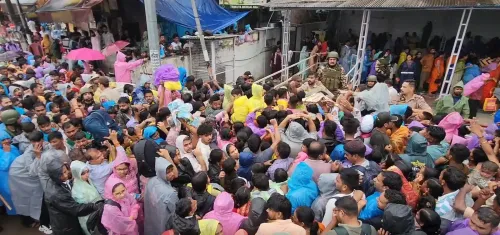
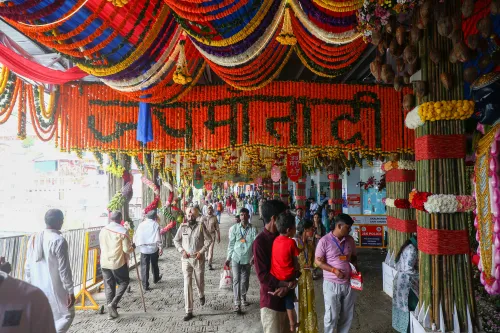
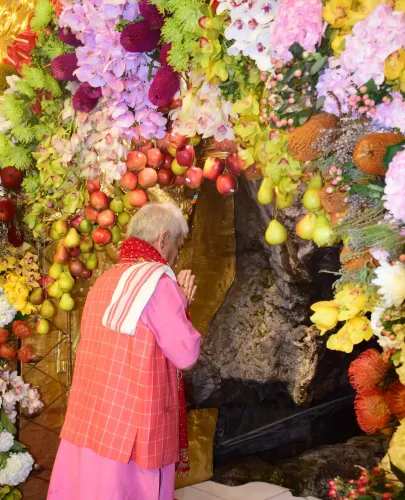
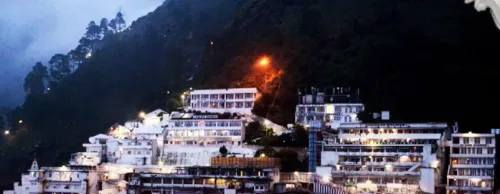
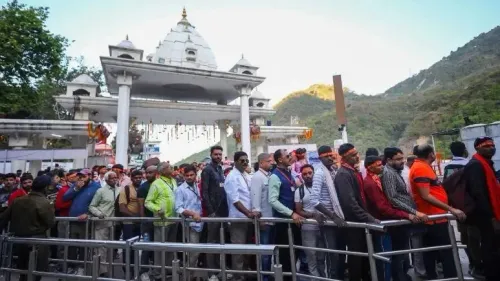
Jammu, April 9 (NationPress) An unprecedented 23 lakh Yatris have paid their respects at the Shri Mata Vaishno Devi Shrine located in Katra, within Jammu and Kashmir's Reasi district, as reported by the CEO of the Shrine Board.
According to Sachin Kumar Vaishya, the CEO of the Shri Mata Vaishno Devi Shrine Board, this year's pilgrimage has already surpassed last year's figures by two lakh Yatris.
He reassured the pilgrims visiting the shrine that improvements are continually being made to facilities, ensuring a more comfortable experience for both international and domestic devotees.
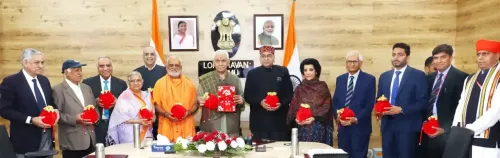
The management of the shrine falls under the jurisdiction of the Shrine Board, which is overseen by the Lieutenant Governor of Jammu and Kashmir, Manoj Sinha.
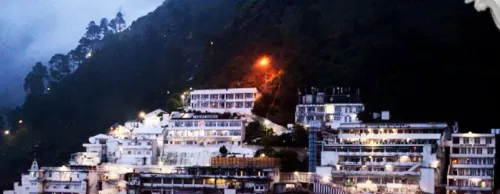
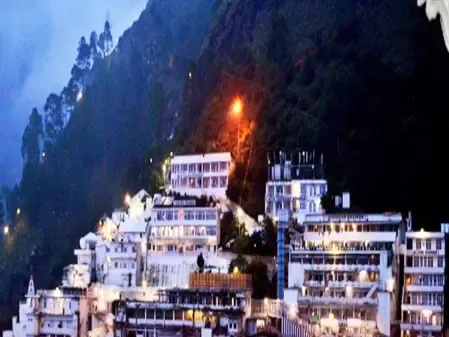
This revered site is dedicated to Shri Mata Vaishno Devi, embodying the goddesses Mahakali, Mahalakshmi, and Mahasaraswati, and is perched on Trikuta mountain, reaching an elevation of 5,200 feet (1,500 meters).
Located 43 km from Jammu city and 29 km from Reasi town, the shrine is governed by the Shri Mata Vaishno Devi Shrine Board, with the Governor/Lieutenant Governor serving as its ex-officio chairman since August 1986.
Originally, the shrine was a sacred site for local tribes who revered the area's natural features.
The mountain's three notable peaks were worshipped as Trikuta Devi, a name that has persisted for centuries.
After migrations to the Jammu region in the 12th century (following the 1192 Battle of Tarain), a cultural amalgamation occurred, leading to the local deity Trikuta Devi being associated with Goddess Vaishno Devi. However, the traditional name remained prevalent for many years; 19th-century European travelers such as G.T. Vigne in 1842 and Sir Richard Temple in 1859 still referred to her as Trikuta Devi or Trikuta Mai.
Historically, pilgrimages to the shrine were mainly undertaken by ascetics and local inhabitants due to the challenging terrain and dense forests, although records indicate that regional rulers occasionally visited.
As per the 1847 royal chronicle Rajdarshani by Ganeshdas Badehra, Raja Jas Dev of Jammu visited the shrine in 996 CE.
Tradition holds that the tenth Sikh Guru, Guru Gobind Singh, visited the site in 1672.
In the 18th century, Maharaja Ranjit Dev of Jammu sought blessings at the shrine before embarking on a political mission to Lahore, and afterward established the first formal amenities for pilgrims, including water stations and temporary shelters.
Today, the shrine remains the most esteemed Hindu pilgrimage site in Jammu and Kashmir.
Point of View
The impressive increase in visitors to the Shri Mata Vaishno Devi Shrine highlights the enduring spiritual significance of this site. The management's commitment to improving facilities reflects a dedicated effort to accommodate the growing number of pilgrims, fostering a welcoming environment for visitors from both India and abroad.
NationPress
10 Oct 2026
Frequently Asked Questions
What is the significance of Shri Mata Vaishno Devi Shrine?
The shrine is dedicated to Goddess Vaishno Devi, a manifestation of the three goddesses Mahakali, Mahalakshmi, and Mahasaraswati, and is considered one of the most revered Hindu pilgrimage sites.
How far is the shrine from Jammu city?
The shrine is located approximately 43 km from Jammu city.
What improvements are being made for pilgrims?
The Shrine Board is continuously enhancing facilities to ensure a more comfortable experience for all devotees visiting the shrine.
Who manages the Shri Mata Vaishno Devi Shrine?
The shrine is managed by the Shri Mata Vaishno Devi Shrine Board, led by the Lieutenant Governor of Jammu and Kashmir.
How many Yatris visited the shrine in 2026?
As of April 2026, over 23 lakh Yatris have paid their respects at the shrine.