Meghalaya Deputy CM Tynsong backs FCRA JPC review, dismisses BJP threat to NPP
Synopsis
Meghalaya Deputy CM Prestone Tynsong is playing a careful two-front game — backing a JPC review of FCRA amendments to reassure the state's Christian community, while insisting that the BJP's sudden jump to 10 MLAs (after absorbing 8 former UDP legislators) changes nothing for the NPP-led MDA coalition. The '101% unity' claim is as much a message to potential defectors as it is to political observers.
Key Takeaways
Prestone Tynsong , Meghalaya Deputy CM and NPP state president, backed referring proposed FCRA amendments to a Joint Parliamentary Committee (JPC) on 29 September 2026 .
Tynsong stressed that FCRA concerns are not limited to Christian organisations — the law applies to all organisations receiving foreign contributions.
Meghalaya MP James P.K.
Sangma has been included as a special invitee to the JPC examining the proposed FCRA changes.
Eight former UDP legislators recently joined the BJP, raising its Assembly strength to 10 MLAs in Meghalaya.
Tynsong asserted '101 per cent unity' among all 33 NPP MLAs , ruling out any immediate reshuffle in the MDA government .
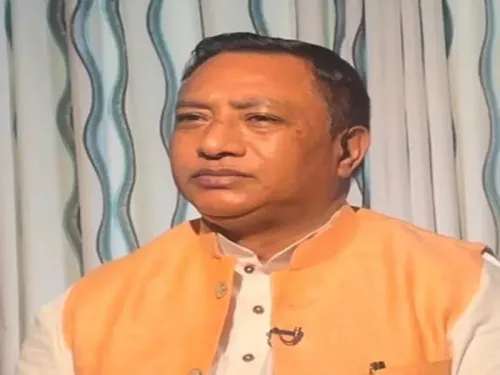
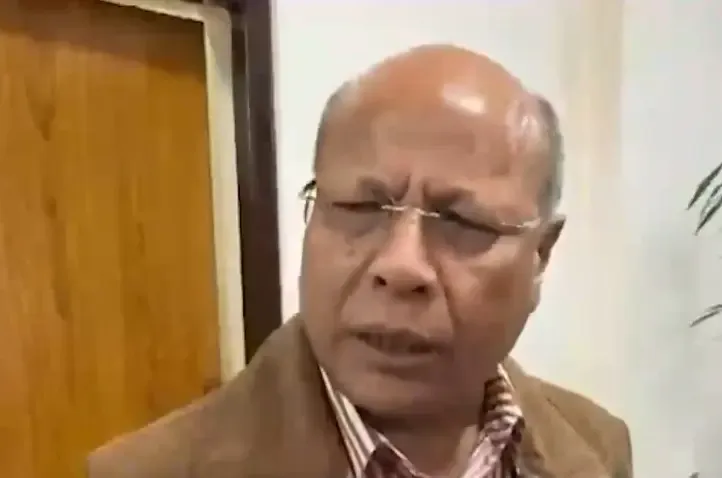
Meghalaya Deputy Chief Minister and National People's Party (NPP) state president Prestone Tynsong on Tuesday, 29 September backed a parliamentary review of the proposed amendments to the Foreign Contribution Regulation Act (FCRA), while firmly asserting that the Bharatiya Janata Party's (BJP) growing legislative footprint in the state posed no threat to the NPP-led government in Shillong.
Tynsong on the FCRA Amendments
Addressing concerns surrounding the proposed FCRA changes, Tynsong cautioned against framing the debate as one that exclusively affects Christian organisations. 'The concerns are not only from Christian organisations. The FCRA applies to all organisations receiving foreign contributions,' he said. His remarks sought to broaden the conversation beyond religious lines, emphasising that the legislation has implications for every body that receives funds from abroad.
Tynsong welcomed the government's decision to refer the proposed Bill to a Joint Parliamentary Committee (JPC), saying the panel should carefully examine the concerns raised by various non-governmental organisations. He also expressed satisfaction at the inclusion of Meghalaya MP James P.K. Sangma as a special invitee to the JPC, calling it a meaningful opportunity to surface the implications of the proposed changes before any final decision is taken.
BJP's Rise in Meghalaya Assembly
The political backdrop to Tynsong's comments is significant. Eight former United Democratic Party (UDP) legislators recently joined the BJP, pushing the party's strength in the Meghalaya Legislative Assembly to 10 MLAs — a notable jump that has sparked speculation about shifting coalition dynamics in the state.
Notably, this is not the first time Meghalaya's fragmented political landscape has been tested by cross-party movements. The state has historically been governed through multi-party coalitions, making every realignment consequential.
NPP Claims 'Rock-Solid' Unity
Tynsong moved quickly to shut down any suggestion of internal NPP fragility. 'There is 101 per cent unity in the NPP,' he declared, maintaining that all 33 NPP MLAs remain firmly together. He rejected speculation about possible defections or internal divisions, and ruled out any immediate reshuffle in the composition of the Meghalaya Democratic Alliance (MDA) government or any additional accommodation for the BJP following its increased Assembly presence.
This comes amid broader questions about whether the BJP's growing footprint — now the second-largest party in the Assembly — could eventually exert pressure on the MDA's power arrangement.
What This Means for Meghalaya's Coalition Politics
The twin developments — the FCRA review and the BJP's Assembly expansion — place the NPP in a delicate position. On one hand, Tynsong's measured stance on FCRA is likely aimed at reassuring the state's large Christian community, which has historically expressed concerns about the law's impact on church-linked organisations. On the other, his emphatic dismissal of coalition instability signals that the NPP intends to hold the line ahead of any future electoral contest.
Analysts note that the BJP's move to absorb former UDP legislators could be a long-term consolidation play in the Northeast, where the party has steadily expanded its presence through coalition partnerships and strategic mergers. Whether that expansion translates into direct pressure on the NPP-MDA arrangement remains to be seen.
With the JPC deliberations on FCRA set to unfold in the coming weeks, and Meghalaya's political equations continuing to evolve, Tynsong's remarks represent an effort to project stability on both fronts simultaneously.
Point of View
Emphatic on coalition unity — is a study in defensive positioning. The FCRA stance is calibrated: by widening the lens beyond Christian organisations, he avoids alienating the state's majority community while still validating their concerns. But the political calculation on the BJP is more exposed. A party that has just doubled its Assembly presence does not typically stop at special invitee status in a coalition. The '101% unity' claim is a line drawn in the sand, but in Meghalaya's historically fluid coalition environment, such lines have shifted before. The real test of NPP's dominance will come not in statements, but in whether the MDA's seat distribution holds the next time the BJP asks for more.
NationPress
30 Sept 2026
Frequently Asked Questions
Why did Meghalaya Deputy CM Prestone Tynsong back the FCRA JPC review?
Tynsong backed the JPC review to allow a thorough parliamentary examination of concerns raised by various NGOs, including Christian organisations, before any final decision is made on the proposed FCRA amendments. He stressed that the law's implications extend to all organisations receiving foreign contributions, not just church-linked bodies.
What are the proposed FCRA amendments and why do they matter in Meghalaya?
The Foreign Contribution Regulation Act (FCRA) governs foreign funding received by Indian NGOs and civil society organisations. In Meghalaya, where a significant portion of social and educational services are run by Christian organisations, any tightening of FCRA rules raises concerns about the operational and financial autonomy of such bodies.
How has the BJP's strength in the Meghalaya Assembly changed?
Eight former United Democratic Party (UDP) legislators recently joined the BJP, taking its total Assembly strength to 10 MLAs. This makes the BJP the second-largest party in the Meghalaya Legislature and has prompted questions about its future role in the NPP-led MDA coalition government.
Is the Meghalaya Democratic Alliance government under threat?
According to Tynsong, the MDA government is stable. He claimed '101 per cent unity' among all 33 NPP MLAs and ruled out any immediate reshuffle or additional accommodation for the BJP despite its increased legislative presence. However, analysts are watching whether the BJP's expansion eventually pressures the existing power-sharing arrangement.
Who is James P.K. Sangma and why is his inclusion in the JPC significant?
James P.K. Sangma is a Meghalaya MP and an NPP leader. His inclusion as a special invitee to the JPC examining the FCRA amendments ensures that Meghalaya's concerns — particularly those of its large civil society sector — have a direct voice in the parliamentary deliberations on the proposed changes.