Can the Cong-led UDF Revitalize Kerala's Health Sector?
Synopsis
Kerala's Leader of the Opposition, V.D. Satheesan, has unveiled a transformative health sector reform plan aimed at improving healthcare accessibility. With a focus on Universal Health Coverage, the UDF's blueprint promises to address critical systemic issues while providing essential services for all citizens.
Key Takeaways
Universal Health Coverage is a key focus.
Plans for improved trauma care in secondary hospitals.
Initiatives for vulnerable populations including She Hospitals .
Strategies to reduce out-of-pocket health expenses.
Commitment to addressing systemic issues in public health.
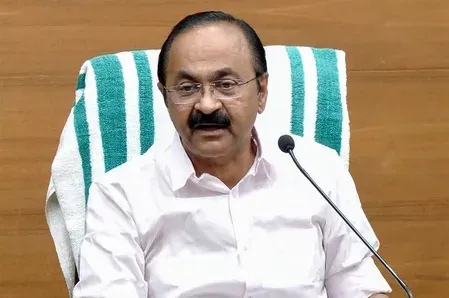
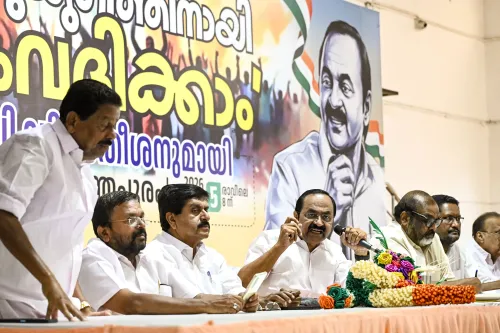
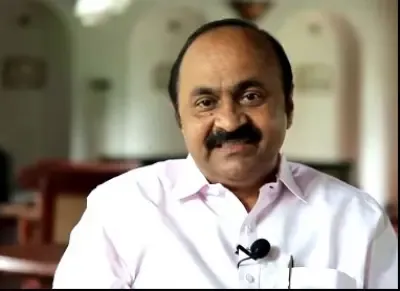
Kozhikode, Feb 12 (IANS) V.D. Satheesan, the Leader of the Opposition in Kerala, revealed an extensive reform plan for the state's health sector on Thursday. He emphasized that "Health Kerala is on a ventilator" and pledged significant structural changes if the Congress-led United Democratic Front (UDF) regains power.
While launching the report from the Health Commission, chaired by S.S. Lal, Satheesan noted that this marked the first instance in Kerala's history where a political alliance engaged experts to systematically analyze the state's health issues.
He described the report as a "knowledge resource for future Kerala".
With Universal Health Coverage as a primary goal, Satheesan stated that the UDF intends to ensure that financial constraints do not prevent any citizen from receiving necessary medical treatment.
He affirmed that diagnostic tests and medications in government hospitals are a right, pledging to restore free services that have been disrupted due to governmental arrears.
He highlighted severe systemic issues in public hospitals, including overcrowding—patients lying on floors and three sharing a bed in medical colleges, alongside shortages of ICU and ventilators. He attributed these problems to poor planning and inadequate staffing despite new facilities developed through the Kerala Infrastructure Investment Fund Board.
Criticizing the incomplete implementation of the Public Health Cadre, the limited deployment of e-health services, and the underperformance of the Medisep insurance scheme for government employees and pensioners, he called for urgent improvements.
The UDF committed to establishing 24-hour trauma care in secondary hospitals, merging Health and Medical Education departments, enforcing stricter drug quality checks, repairing idle medical equipment via a dedicated agency, and enhancing emergency ambulance services to ensure coverage within four minutes in panchayats.
With Kerala's out-of-pocket healthcare expenses estimated at 60 to 70 percent, Satheesan aimed to reduce this to 35 percent, drawing insights from Tamil Nadu's healthcare model.
He proposed initiatives such as She Hospitals for women and children, tribal health clusters, coastal care units, enhanced mental health services, doorstep delivery of medications for the elderly and differently-abled, and targeted programs for transgender individuals.
Warning that corporate takeovers of private hospitals could drastically increase treatment costs, Satheesan promised to allocate higher budget funds, establish a dedicated health fund, and support CSR-backed diagnostic labs.
By enacting the commission's recommendations, the LoP asserted that Kerala could transform from a "ventilator-stage system" into a global health destination.
Point of View
It is essential to recognize that healthcare reform is a pressing issue across India. Kerala's approach, spearheaded by the UDF, reflects a broader need for systemic changes in public health. It highlights the significance of political commitment and expert involvement in tackling health challenges, an aspect that should resonate with various regions facing similar struggles.
NationPress
20 Sept 2026
Frequently Asked Questions
What is the primary goal of the UDF's health reform plan?
The primary goal is to achieve Universal Health Coverage, ensuring that all citizens in Kerala have access to medical treatment regardless of financial circumstances.
How does the UDF plan to address issues in public hospitals?
The UDF plans to implement 24-hour trauma care, integrate Health and Medical Education departments, and enhance emergency services to tackle overcrowding and resource shortages.
What initiatives are proposed for vulnerable populations?
Proposed initiatives include She Hospitals for women and children, mental health services, and doorstep medicine delivery for the elderly and differently-abled individuals.
How does the UDF plan to reduce out-of-pocket healthcare expenses?
The UDF aims to cut out-of-pocket expenses from 60-70% down to 35% by learning from successful healthcare models in other states like Tamil Nadu.
What warning did Satheesan give regarding private hospitals?
Satheesan warned that corporate acquisitions of private hospitals could lead to inflated treatment costs, jeopardizing affordable healthcare.