Uttarakhand Waqf Board to launch UCC-compliant Nikahnama for Muslims
Synopsis
Uttarakhand's Waqf Board isn't just complying with the UCC — it's building an institutional enforcement mechanism around it. A legally binding Nikahnama, Board-appointed clergy, and a ban on informal conversion-linked marriages mark a significant shift in how a Muslim religious body is choosing to engage with India's first state-level uniform civil code.
Key Takeaways
The Uttarakhand Waqf Board is introducing a new UCC-compliant Nikahnama for the Muslim community, announced on 3 September .
The document will ban polygamy , triple talaq , and halala , in line with the state's Uniform Civil Code .
Only Qazis and Imams appointed by the Waqf Board will be permitted to solemnise Nikahs under the new framework.
An affidavit requiring truthful disclosures will be mandatory; false information will attract legal action.
Informal religious conversion followed by marriage will be prohibited; inter-faith couples must approach a court.
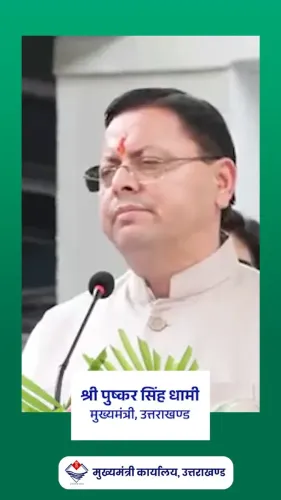
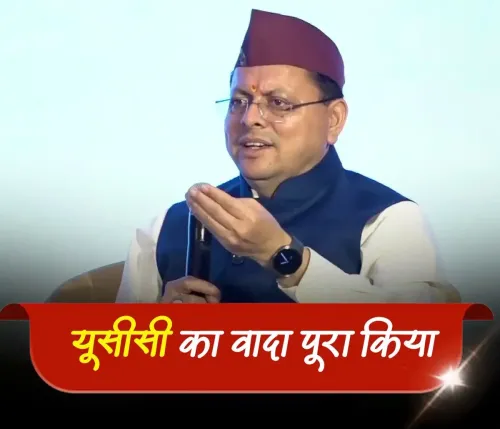
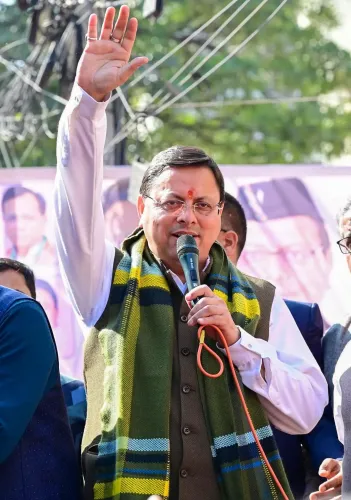
Uttarakhand is the first state in India to implement the UCC, under Chief Minister Pushkar Singh Dhami .
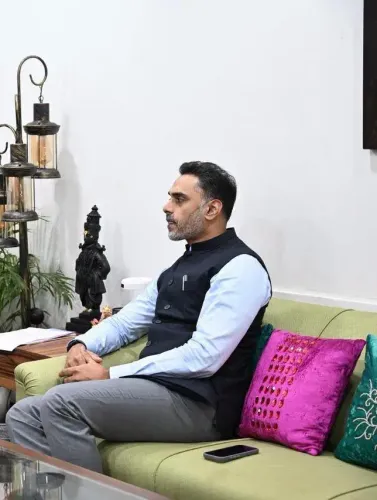
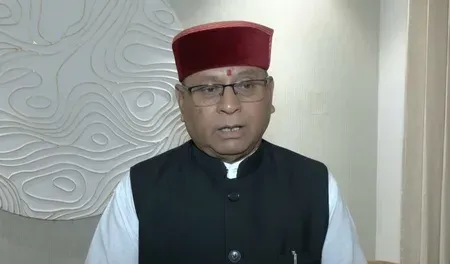
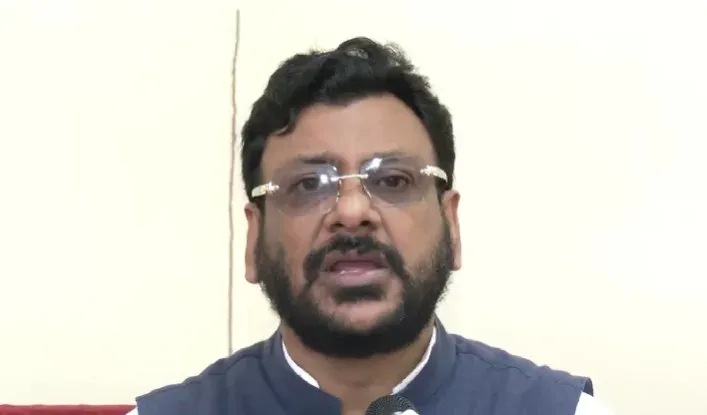
The Uttarakhand Waqf Board is preparing a new, comprehensive Nikahnama for the Muslim community in the state, designed to bring Muslim marriage practices into full compliance with the Uniform Civil Code (UCC) — making Uttarakhand the first state in India to undertake such a reform. The initiative was announced by Waqf Board Chairman Shadab Shams on 3 September, following the state's landmark implementation of the UCC.
What the New Nikahnama Contains
The revised marriage document will be detailed and legally binding, requiring parties to furnish complete and truthful information under an accompanying affidavit. According to Shams, false declarations or violations of the document's provisions will invite legal action. The Nikahnama will explicitly prohibit polygamy, triple talaq, and halala — all of which have been banned or classified as offences under the UCC.
'The new Nikahnama will bring awareness in the society, and people will be able to avoid these problems. No person will be able to marry more than once now. In developed countries like America, England, Germany and France, a person lives with only one wife, and it should be the same here. All these things will be written in the Nikahnama, so that no one can cheat anyone,' Shams said.
Regulation of Qazis and Imams
A key structural change under the proposed framework is the centralised appointment of Qazis and Imams who solemnise marriages. Only clergy appointed by the Waqf Board will be authorised to conduct Nikahs, and all ceremonies must be conducted on the new standardised document — no separate or informal marriage deed will be recognised.
'Only those Qazis and Imams who will be appointed by the Waqf Board will be able to conduct the Nikah. The Nikah will be conducted on this Nikahnama. There will be no Nikah on any separate document. It is a very big Nikahnama, in which detailed and correct information will have to be given,' Shams stated.
Religious Conversion and Inter-Faith Marriages
The new framework also addresses religious conversion in the context of marriage. Shams said that informal conversion ceremonies followed by marriage — conducted privately without legal sanction — will no longer be permitted. Couples from different religious backgrounds who wish to marry will be directed to approach a court. 'If people of two different religions want to get married, they can go to the court. It will not happen that they call someone at home and get them converted and get married. Now there will be a ban on this,' he said.
He added that the change would also protect Maulanas and religious officiants from inadvertently participating in legally irregular ceremonies.
Context: Uttarakhand's UCC and Its Significance
Uttarakhand became the first state in India to implement the Uniform Civil Code under Chief Minister Pushkar Singh Dhami. The UCC governs personal law matters — including marriage, divorce, inheritance, and adoption — uniformly across all religious communities in the state. The Waqf Board's Nikahnama initiative represents one of the first institutional steps by a Muslim religious body in the state to align its practices with the new legal framework.
Since all mosques and madrassas in Uttarakhand fall under the Waqf Board's jurisdiction, the Board views itself as directly responsible for ensuring compliance among the Muslim community. The decision to introduce the new Nikahnama was taken at the Board's previous meeting, Shams confirmed.
What Comes Next
The Waqf Board is expected to roll out the new Nikahnama across mosques and madrassas in Uttarakhand in the coming weeks. Community awareness drives are also planned to inform Muslim families about the legal implications of the UCC and the new marriage documentation requirements. How swiftly the standardised Nikahnama achieves ground-level adoption across the state's diverse Muslim communities will be closely watched.
Point of View
The real test will be ground-level adoption: Uttarakhand's Muslim population is spread across remote hill districts where informal religious practice has historically operated outside formal oversight. Centralising Qazi appointments and mandating a single standardised document are administratively ambitious steps; whether the Board has the reach and authority to enforce them uniformly is an open question. The initiative also raises a broader question for other UCC-considering states — whether community-led compliance mechanisms are more durable than top-down legal mandates alone.
NationPress
3 Sept 2026
Frequently Asked Questions
What is the new Nikahnama being introduced by the Uttarakhand Waqf Board?
It is a detailed, legally binding Muslim marriage document designed to ensure full compliance with Uttarakhand's Uniform Civil Code (UCC). The Nikahnama explicitly prohibits polygamy, triple talaq, and halala, and requires parties to submit an affidavit with truthful information, with legal action prescribed for violations.
Why is the Uttarakhand Waqf Board introducing a UCC-compliant Nikahnama?
Uttarakhand became the first state in India to implement the UCC under Chief Minister Pushkar Singh Dhami, which bans or criminalises practices such as polygamy, triple talaq, and halala. The Waqf Board decided in a previous board meeting to align Muslim marriage practices with the new law to protect the community from legal complications.
Who can conduct a Nikah under the new Waqf Board framework?
Only Qazis and Imams formally appointed by the Uttarakhand Waqf Board will be authorised to solemnise Nikahs. All marriages must be conducted on the new standardised Nikahnama; no separate or informal marriage document will be recognised.
How does the new Nikahnama address religious conversion and inter-faith marriages?
Informal religious conversion ceremonies conducted privately ahead of marriage will no longer be permitted under the proposed framework. Couples from different faiths who wish to marry must approach a court. Waqf Board Chairman Shadab Shams said this provision also protects religious officiants from inadvertently facilitating legally irregular ceremonies.
What happens if someone provides false information in the new Nikahnama?
The Nikahnama includes a mandatory affidavit requiring complete and truthful disclosures from both parties. According to Shadab Shams, anyone who furnishes false information or violates the document's provisions will face legal action under the applicable provisions of the UCC.