Rajasthan HC questions OBC seats freeze despite 41 Zila Pramukh posts
Synopsis
Despite Rajasthan's Zila Pramukh posts rising from 33 to 41 after district reorganisation, OBC-reserved seats stayed frozen at five. The Rajasthan High Court is now demanding an explanation — and the unanswered question of the OBC Commission report's suppression adds a second, potentially larger fault line to the case.
Key Takeaways
The Rajasthan High Court issued notices to the state government on 3 September over a petition challenging OBC seat allocation for Zila Pramukh posts.
Total Zila Pramukh posts rose from 33 to 41 after district reorganisation, but OBC-reserved seats remained at five .
Petitioner Radheram Godara argues OBC seats should increase to seven out of 41, based on the 18 per cent reservation applied in 2020 .
The petition also flags that the OBC Commission report has not been made public by the government.
The next hearing is scheduled for 8 September ; the court has not yet ruled on the merits.
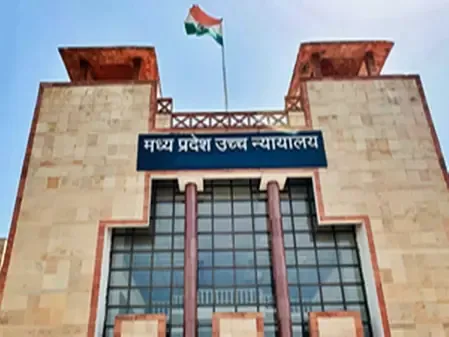
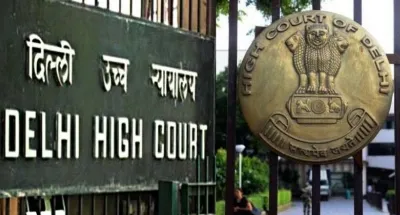
The Rajasthan High Court on 3 September issued notices to the state government seeking its response on a petition challenging the stagnant number of Other Backward Classes (OBC)-reserved seats for Zila Pramukh posts ahead of the upcoming Panchayati Raj elections. The court has questioned why OBC representation was not recalculated proportionately after the total number of Zila Pramukh posts rose from 33 to 41.
What the Court Observed
A bench headed by Justice Anoop Dhand noted that only five of the then-33 Zila Pramukh posts were reserved for OBC candidates in 2020. Following district reorganisation and the creation of new districts, the total posts increased to 41 — yet the number of OBC-reserved seats remained at five, unchanged. The court sought an explanation from the government as to why OBC representation had not been scaled up in proportion to the expanded total.
The Petition and Its Arguments
The petition was filed by Radheram Godara, represented by counsels Arvind Sharma and Anand Sharma. The petitioners argued that the increase in total posts should have triggered a fresh calculation of OBC reservation under applicable rules, while keeping the overall quantum within the 50 per cent constitutional ceiling established by the Supreme Court.
They contended that 18 per cent OBC reservation was applied in 2020, and that on the basis of their calculation, the number of OBC-reserved Zila Pramukh posts should rise to seven out of 41 — up from the current five. The petitioners have also questioned the basis for what they describe as an approximately 16 per cent OBC reservation figure being applied now.
OBC Commission Report Under Scrutiny
The petition raises an additional concern regarding the report of the OBC Commission. According to the petitioners, the government has not made the Commission's report public. They have also referred to media reports suggesting that the government itself does not fully stand behind the report's accuracy. The High Court has taken note of these claims without ruling on their merits at this stage.
What Happens Next
The court directed the petitioner's counsel to provide a copy of the petition to the Additional Advocate General and the Government Advocate representing the Panchayati Raj Department. The matter has been listed for the next hearing on 8 September. The High Court has not yet ruled on the substance of the petition and will proceed only after the state government files its response.
This comes amid broader national debates over OBC representation in local governance bodies, with several states facing judicial scrutiny over reservation calculations in Panchayati Raj institutions.
Point of View
Reserved seats should scale with them — but the government's silence on the OBC Commission report is the more troubling signal. Suppressing a statutory commission's findings ahead of Panchayati Raj elections raises questions about whether reservation policy is being shaped by political calculus rather than data. If the report's accuracy is itself disputed internally, as media accounts suggest, then the entire reservation framework for these elections rests on an unverified foundation — a problem no court order alone can fix.
NationPress
18 Oct 2026
Frequently Asked Questions
Why has the Rajasthan High Court issued notices over Zila Pramukh OBC seats?
The court issued notices because the number of OBC-reserved Zila Pramukh posts remained at five even after the total posts increased from 33 to 41 following district reorganisation. The court has sought the state government's explanation for not recalculating OBC representation proportionately.
What is the petitioner's demand in the Rajasthan Zila Pramukh OBC case?
Petitioner Radheram Godara has sought a fresh calculation of OBC reservation for the 41 Zila Pramukh posts, arguing that the number of reserved seats should rise to seven, in line with the 18 per cent OBC reservation applied in 2020 and within the Supreme Court's 50 per cent ceiling.
What is the controversy around the OBC Commission report in Rajasthan?
The petitioners allege that the Rajasthan government has not made the OBC Commission's report public and that media reports suggest the government itself questions the report's accuracy. The High Court has taken note of this issue but has not yet ruled on it.
When is the next hearing in the Rajasthan Zila Pramukh OBC reservation case?
The Rajasthan High Court has listed the matter for its next hearing on 8 September, by which time the state government is expected to file its response to the notices issued.
How does the 50 per cent constitutional ceiling apply to OBC reservation in Panchayati Raj?
The Supreme Court has established that total reservations — across Scheduled Castes, Scheduled Tribes, and OBCs — cannot exceed 50 per cent in local body elections. The petitioners argue that even within this ceiling, OBC seats should be recalculated to reflect the increased number of Zila Pramukh posts.