Umar Khalid Requests Open Court Hearing for Review in 2020 Delhi Riots Conspiracy Case
Synopsis
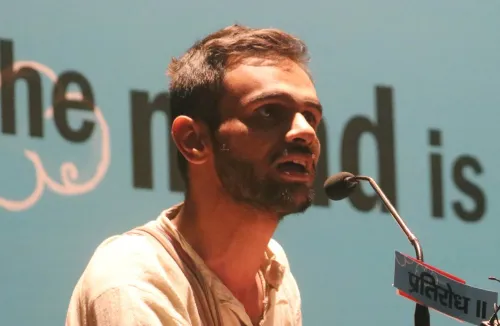
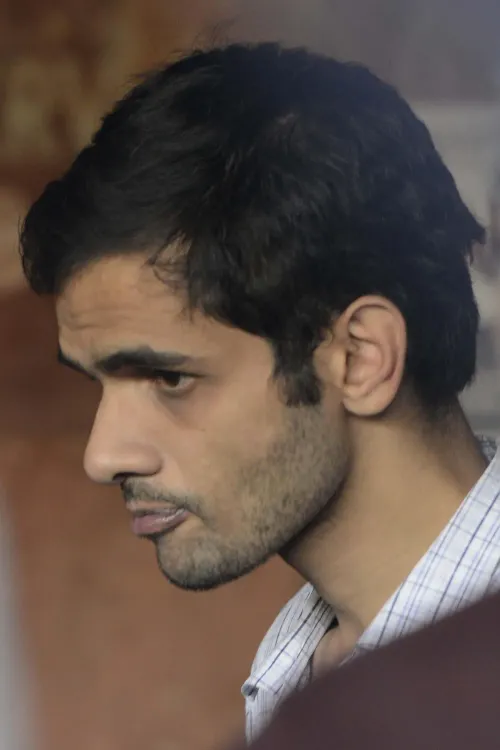
Umar Khalid, a student activist, seeks an open court hearing for his review petition related to the 2020 Delhi riots conspiracy case. Senior advocate Kapil Sibal presented the request to the Supreme Court, emphasizing the importance of transparency in the proceedings.
Key Takeaways
Umar Khalid is seeking an open court hearing for his review petition.
The Supreme Court typically hears review petitions in chambers.
Senior advocate Kapil Sibal is representing Khalid.
The court denied bail to Khalid and Imam earlier this year.
Evidence against Khalid was deemed sufficient to invoke statutory bail restrictions.
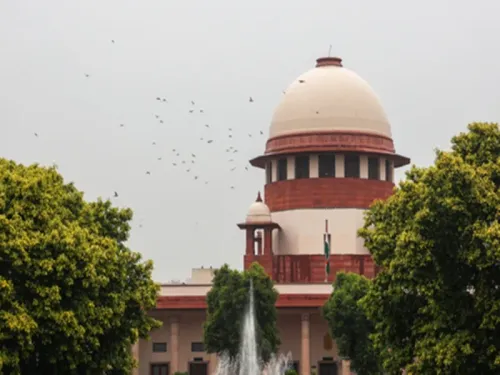
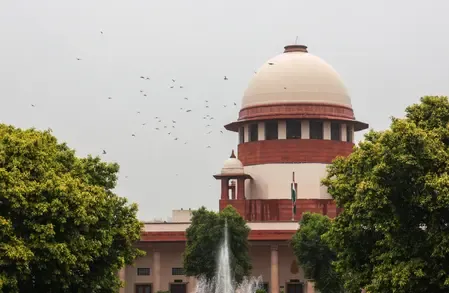
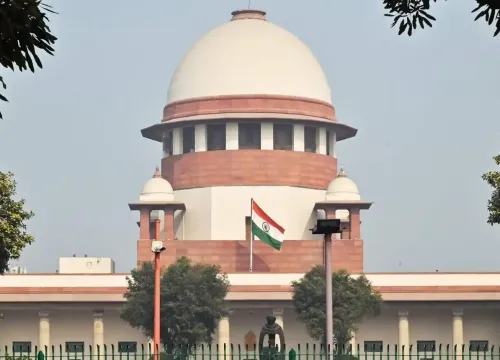
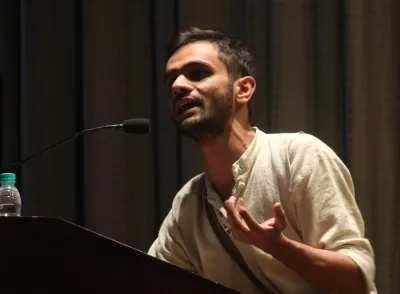
New Delhi, April 13 (NationPress) On Monday, the Supreme Court was requested to consider conducting an open court hearing for the review petition submitted by Umar Khalid, a student activist, regarding the alleged larger conspiracy connected to the 2020 Delhi riots.
This request was made by senior advocate Kapil Sibal, who is representing Khalid, before a bench comprising Justices Aravind Kumar and Prasanna B. Varale.
Sibal noted that the review petition is scheduled for a hearing on Wednesday and asked for it to be addressed in an open court setting. “I wish to mention, my lords are handling the review petition in Umar Khalid’s case. It is set for Wednesday, I believe. My request is for your consideration if it could be held in an open court,” Sibal articulated.
In response to this appeal, the Justice Kumar-led Bench remarked: “We will review the documents, and if necessary, we will convene it.”
Typically, review petitions are determined in chambers based on limited grounds, such as obvious errors in the records, and are seldom listed for open court hearings. In January of this year, the Supreme Court denied bail to both Umar Khalid and Sharjeel Imam in the purported larger conspiracy case stemming from the 2020 Delhi riots. Conversely, the apex court did grant bail to five other defendants—Gulfisha Fatima, Meeran Haider, Shifa Ur Rehman, Mohd Saleem Khan, and Shadab Ahmed—while denying relief to Imam and Khalid.
When issuing the verdict, the Justice Kumar-led Bench had determined that the prosecution’s evidence presented a prima facie case against Khalid and Imam, which invoked the statutory prohibition on bail under Section 43D(5) of the Unlawful Activities (Prevention) Act.
The apex court noted that the prosecution's evidence did not substantiate Khalid’s release on bail and indicated his involvement at a planning level, including mobilization and issuing strategic directives.
Dismissed was the argument that Khalid had no direct involvement in acts of violence. The Supreme Court clarified that in conspiracy cases, “the law does not require every conspirator to execute the final act but necessitates a prima facie connection between the accused and the unlawful objective to be inferred from their collective behavior.”
The Supreme Court emphasized that its remarks were limited to the bail decision and would not sway the trial proceedings.
Point of View
Particularly in politically charged cases such as the 2020 Delhi riots. It reflects a broader national interest in ensuring fair legal representation and due process.
NationPress
17 Sept 2026
Frequently Asked Questions
What is the significance of Umar Khalid's petition?
Umar Khalid's petition is significant as it seeks to have his review heard in an open court, highlighting issues of transparency and fairness in legal proceedings related to serious charges stemming from the 2020 Delhi riots.
Who is representing Umar Khalid?
Umar Khalid is represented by senior advocate Kapil Sibal in his legal proceedings.
What happened in January regarding Khalid's bail?
In January, the Supreme Court denied bail to Umar Khalid and Sharjeel Imam, citing sufficient evidence against them in relation to the alleged conspiracy linked to the 2020 Delhi riots.
What is the Unlawful Activities (Prevention) Act?
The Unlawful Activities (Prevention) Act is a legislative framework in India aimed at preventing unlawful activities, particularly those related to terrorism and national security.
What does 'prima facie' mean in legal terms?
'Prima facie' refers to evidence that is sufficient to establish a fact unless disproven, indicating that there is enough evidence to proceed with a case.