Umed scheme: Maharashtra CM Fadnavis on rural women's economic rise
Synopsis
Maharashtra's Umed mission is quietly rewriting rural economics — 408 agricultural equipment banks now serve 40,800 women farmers across 34 districts, while 54 Women Farmer Producer Companies hold commercial seed and fertiliser licences. CM Fadnavis's review signals the state is scaling this model from SHG savings circles into full-spectrum rural enterprise.
Key Takeaways
CM Devendra Fadnavis reviewed the Umed (MSRLM) programme on 26 August , highlighting its rural women's empowerment outcomes.
408 Agricultural Equipment Banks have been set up across 351 talukas in 34 districts , benefiting approximately 40,800 women farmers in 2024–25 and 2025–26 .
54 Women Farmer Producer Companies hold commercial licences for seed and fertiliser sales, serving nearly 54,000 women members .
Rural women are now running ration shops, cement dealerships, brick units, kerosene agencies , and tile plants through SHG-backed enterprise models.
The initiative integrates SHGs, modern agricultural technology, and market connectivity to build financial autonomy for rural women across Maharashtra.
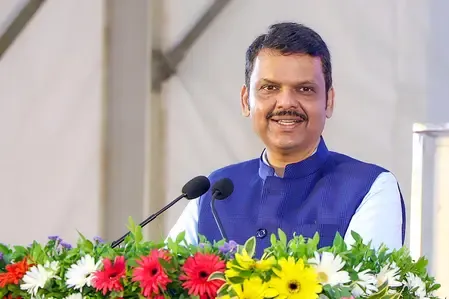
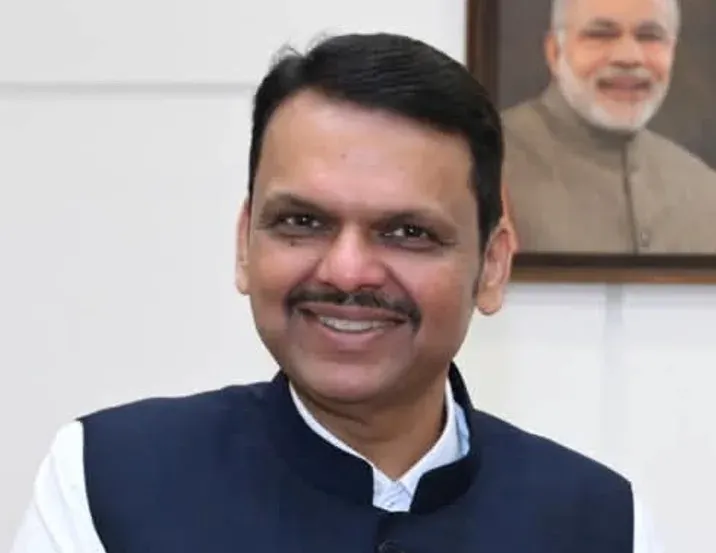
Chief Minister Devendra Fadnavis on Wednesday, 26 August spotlighted the Maharashtra State Rural Livelihoods Mission (MSRLM) — popularly called 'Umed' — as a transformative force for rural women's economic empowerment across Maharashtra, following a comprehensive programme review. The initiative is pushing well beyond conventional self-help group (SHG) savings circles, integrating modern agricultural technology, enterprise development, and financial inclusion to deliver sustainable livelihoods.
Agricultural Equipment Banks: Mechanising Women Farmers
A cornerstone of the Umed campaign is the rollout of Agricultural Equipment Banks and Agricultural Input Centres across the state. These banks allow smallholder women farmers to rent modern farm machinery at affordable rates, eliminating the need for large upfront capital expenditure on expensive equipment.
During the 2024–25 and 2025–26 fiscal years, 408 Agricultural Equipment Banks were established across 351 talukas in 34 districts of Maharashtra, directly benefiting approximately 40,800 women farmers. Managed by SHGs, Village Organisations (VOs), Cluster Level Federations (CLFs), and Women Farmer Producer Companies (FPCs), these banks are evolving into community-owned agricultural service hubs that house farming implements and tractor rental facilities.
The model delivers multiple economic dividends: essential operations such as sowing, weeding, and harvesting can now be completed on time using modern machinery, boosting efficiency. Renting out equipment generates revenue for community organisations, while managing and transporting tools creates localised employment.
Women Farmer Producer Companies and Input Access
'The Umed campaign has opened new doors for women in the agricultural supply chain,' Fadnavis said. He noted that 54 Women Farmer Producer Companies in Maharashtra now hold commercial licences for seed and fertiliser sales, collectively serving nearly 54,000 women members. By consolidating demand, these FPCs make bulk purchases of high-quality inputs, ensuring timely deliveries at competitive prices — a structural advantage that individual farmers rarely enjoy.
Entrepreneurship Beyond Agriculture
According to Fadnavis, Umed's empowerment strategy extends well beyond the farm. Through SHGs, rural women are now operating fair-price ration shops, cement dealerships, brick manufacturing units, kerosene agencies, and tile manufacturing plants — diversifying household income streams and reducing dependence on seasonal agricultural earnings.
This shift represents a structural change in how rural women engage with the economy: from passive participants in savings circles to active entrepreneurs with institutional backing for business management, financial inclusion, and market connectivity. Localised employment and income options are simultaneously boosting family earnings and ensuring essential goods and services are available within communities.
Broader Impact and the Road Ahead
By unifying SHGs, modern technologies, and structural support for enterprise, the Umed initiative is rebuilding the economic foundation of Maharashtra's villages. From mechanised farming to enterprise management, women's rising participation is shaping a new economic narrative for rural Maharashtra, Fadnavis concluded. The programme's trajectory suggests further scale-up is on the agenda as the state looks to deepen rural financial inclusion ahead of the next agricultural season.
Point of View
But the harder question is depth of impact: benefiting 40,800 women farmers across 34 districts in a state with millions of smallholders is a start, not a finish line. The shift from SHG credit circles to commercial FPCs holding seed-and-fertiliser licences is genuinely structural — that is harder to reverse than a subsidy. What the review did not address is income mobility: whether women running equipment banks and ration shops are crossing sustainable income thresholds or simply adding marginal earnings to subsistence households. Maharashtra's rural distress has deep roots in debt, fragmented landholding, and monsoon dependency — Umed addresses supply-side constraints well, but demand-side market linkages and price realisation for women farmers remain the missing chapter in the official narrative.
NationPress
10 Oct 2026
Frequently Asked Questions
What is the Umed scheme in Maharashtra?
Umed is the popular name for the Maharashtra State Rural Livelihoods Mission (MSRLM), a state government programme that works to bring rural women into agriculture, business, and entrepreneurship through self-help groups, equipment banks, and enterprise support. It operates across all districts of Maharashtra with the goal of delivering sustainable livelihoods and financial independence to rural women.
How many women farmers have benefited from Agricultural Equipment Banks under Umed?
Approximately 40,800 women farmers have directly benefited from the 408 Agricultural Equipment Banks established during the 2024–25 and 2025–26 fiscal years, spanning 351 talukas across 34 districts of Maharashtra. These banks allow women to rent modern farm machinery at affordable rates instead of purchasing it outright.
What role do Women Farmer Producer Companies play under Umed?
54 Women Farmer Producer Companies under Umed hold commercial licences for seed and fertiliser sales, collectively serving nearly 54,000 women members. By consolidating demand and making bulk purchases, these FPCs ensure timely access to quality farm inputs at competitive prices.
What types of businesses are rural women running through Umed?
Beyond agriculture, rural women under Umed are operating fair-price ration shops, cement dealerships, brick manufacturing units, kerosene agencies, and tile manufacturing plants — all supported by institutional backing for business management and financial inclusion.
Who oversees the Agricultural Equipment Banks established under Umed?
The equipment banks are managed by self-help groups (SHGs), Village Organisations (VOs), Cluster Level Federations (CLFs), and Women Farmer Producer Companies (FPCs), making them community-owned agricultural service hubs rather than government-run facilities.