UP CMO shares CM Yogi's Constitution Day tribute
Synopsis
The Uttar Pradesh CMO posted CM Yogi Adityanath's Constitution Day note, calling the charter a shared pride, a guide for 145 crore Indians, and a reminder of both rights and duties.
Key Takeaways
The Chief Minister's Office of Uttar Pradesh posted a Constitution Day message attributed to CM Yogi Adityanath.
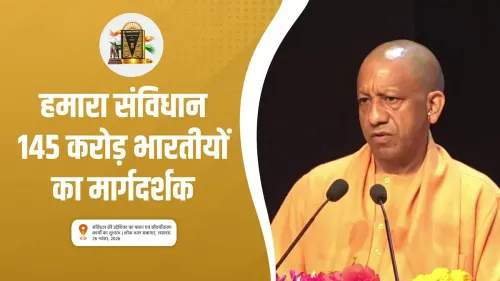
The note calls the Constitution the pride of all and a guiding light for 145 crore Indians.
It says the Constitution reminds citizens of their rights and makes them aware of their duties.
India adopted the Constitution on 26 November 1949; the day has been observed as Constitution Day since 2015.
The UP post follows a wider pattern of state leaders pairing rights with duties on this date, without a new scheme announcement.
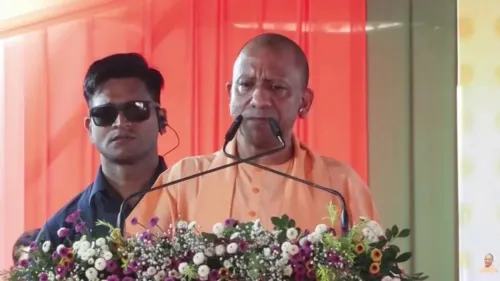
Pride, a guide for 145 crore citizens, and a twin reminder of rights and duties — that is how the Chief Minister's Office of Uttar Pradesh framed India's founding charter on Constitution Day. The office posted a message from Chief Minister Yogi Adityanath on 26 November, putting the Constitution at the centre of civic life in the country's most populous state.
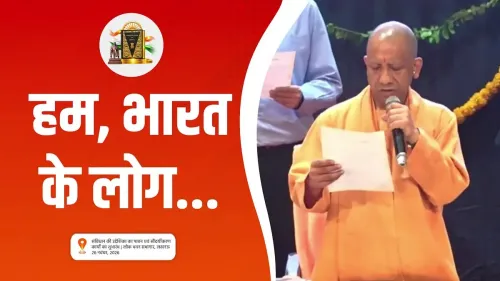
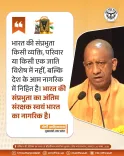
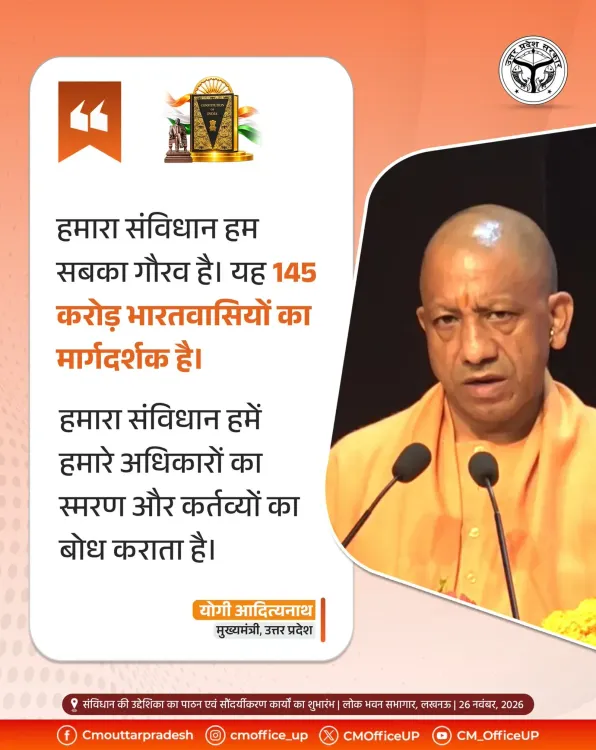
The Hindi post, attributed to the chief minister, said: 'Our Constitution is the pride of all of us. It is the guiding light for 145 crore Indians. Our Constitution reminds us of our rights and makes us aware of our duties.' The opening line — हमारा संविधान हम सबका गौरव है (Our Constitution is the pride of all of us) — treats the charter as shared inheritance, not a distant legal text.
Yogi's three-line case from Lucknow
The note does three jobs in three sentences. It calls the Constitution a common pride. It names it a guide for 145 crore Indians. And it pairs rights with duties, refusing to let one stand without the other.
That last beat is the political and civic core. The message does not list new laws. It restates a civic brief: know what the charter gives you, and what it asks of you.
How 26 November became Constitution Day
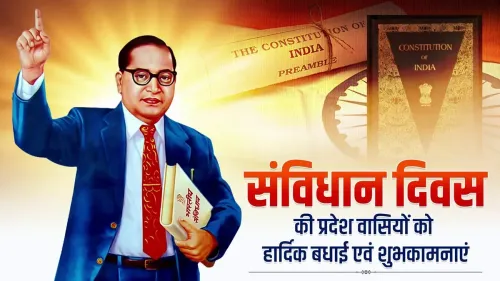
India adopted the Constitution on 26 November 1949. The date has been observed as Constitution Day, or Samvidhan Diwas, since 2015, to mark that adoption and to spread awareness of rights and duties.
The Uttar Pradesh post sits inside that national calendar. State leaders routinely issue similar notes on this date, stressing the document's role in balancing entitlements with obligations. This one follows that pattern without announcing a fresh scheme.
The rights-and-duties literacy pattern
Across states, Constitution Day communication tends to strike the same balance. Fundamental rights are recalled. Fundamental duties are underlined. The Uttar Pradesh message aligns with that broader push for constitutional literacy rather than a one-off slogan.
The real test is not another ceremonial line from Lucknow. It is whether classrooms, local bodies and public offices in the state carry that rights-and-duties brief beyond a single date on the calendar.
Point of View
And this Uttar Pradesh note fits the template almost exactly: pride, a national guide, and rights yoked to duties. That pairing is the policy grammar, not a new law — it tracks the post-2015 national drive for constitutional literacy rather than a standalone UP programme. For the country's most populous state, the political signal is continuity: the charter is framed as a two-way contract, not only a catalogue of entitlements. The next test is whether schools and local bodies convert the calendar message into year-round civic teaching.
NationPress
26 Nov 2026
Frequently Asked Questions
When is Constitution Day observed in India?
Constitution Day is observed on 26 November every year, marking the adoption of the Constitution in 1949. The day has been marked as Constitution Day, or Samvidhan Diwas, since 2015 to promote awareness of rights and duties.
What did CM Yogi Adityanath say about the Constitution?
The Uttar Pradesh CMO posted his message calling the Constitution the pride of all and a guide for 145 crore Indians. He said it reminds people of their rights and makes them aware of their duties.
Why is 26 November called Samvidhan Diwas?
India's Constituent Assembly adopted the Constitution on 26 November 1949. The date is used each year to recall that adoption and to spread constitutional literacy.
Who posted the Uttar Pradesh Constitution Day message?
The Chief Minister's Office of Uttar Pradesh posted the remarks on its official account. The text is attributed to Chief Minister Yogi Adityanath, who has held the office since 2017.
Why do Constitution Day messages mention duties as well as rights?
Fundamental duties sit in the Constitution as civic obligations meant to complement fundamental rights. State leaders often pair the two on Constitution Day as part of a wider literacy push.