UP Congress chief: 'Biggest enemy is one attacking democracy or Constitution'
Synopsis
UP Congress President Aradhana Misra Mona turned PM Modi's Vijayadashami call for national unity on its head — accepting the premise but redefining the 'enemy' as anyone attacking India's democracy or Constitution. The exchange crystallises a fundamental fault line: the ruling alliance grounds national identity in culture and civilisation; the opposition plants its flag on constitutional democracy. Both sides are now competing to own the patriotism narrative.
Key Takeaways
UP Congress President Aradhana Misra Mona declared the 'biggest enemy' is anyone attacking India's democracy or Constitution , on 21 October 2026 .
Her remarks were a direct response to PM Narendra Modi's Vijayadashami appeal for unity against forces undermining India's honour and cultural heritage.
Misra Mona raised concerns over 'corruption and irregularities' linked to the SIR , calling them 'deeply concerning.' JD(U) spokesperson Rajiv Ranjan backed PM Modi's appeal, calling it 'relevant and important' and invoking the sacrifices of India's freedom fighters.
PM Modi drew on the ideals of Lord Ram , citing his adherence to truth and dharma as a model for the nation's resolve.
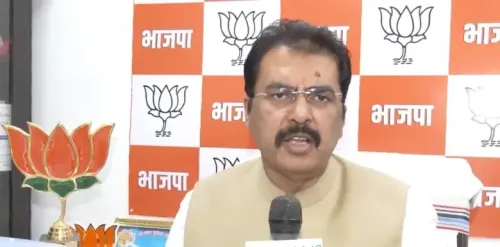
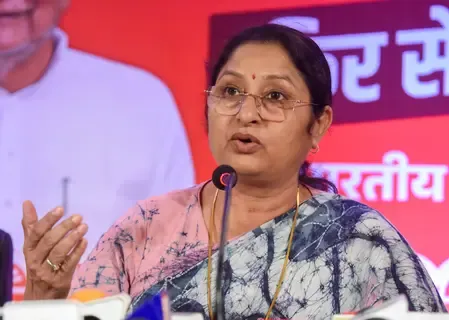
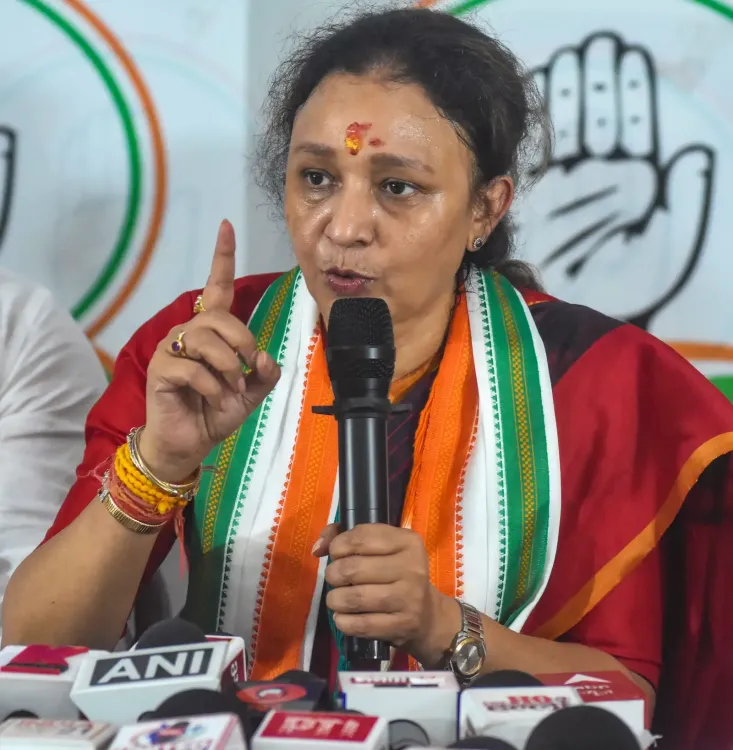
Uttar Pradesh Congress President Aradhana Misra Mona on 21 October 2026 asserted that while standing united against the country's enemies is a national duty, the 'biggest enemy' today is anyone who attacks India's democracy or its Constitution. Her remarks came directly in response to Prime Minister Narendra Modi's Vijayadashami appeal for citizens and political parties to unite against forces threatening India's honour, social harmony, and cultural heritage.
What Aradhana Misra Mona Said
Speaking to reporters, Aradhana Misra Mona said, 'Standing united against the enemies of the country is our national duty, and all of us must uphold our constitutional responsibilities. However, I would like to say one thing: India is the largest democracy in the world, and today, democracy is under threat. The corruption and irregularities coming to light in the name of the SIR are deeply concerning. The biggest enemy at present is one who is attacking democracy or the Constitution.'
Her statement amounts to a pointed counter-framing: rather than deflecting PM Modi's call for unity, she accepted its premise but redirected the definition of 'enemy' toward what she described as institutional and democratic threats — a political manoeuvre designed to put the ruling establishment on the defensive.
PM Modi's Vijayadashami Message
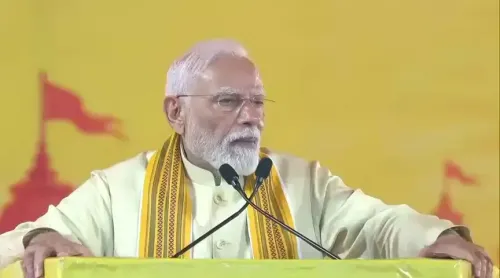
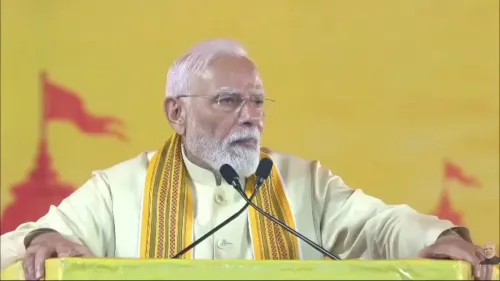
Earlier on Tuesday, Prime Minister Modi urged citizens to recognise and confront those who harm the country's prestige, sow division, and promote hatred toward India's culture. Invoking the teachings of ancient seers, he called on all political parties and institutions to remain united against the nation's enemies and emphasised collective resolve in defence of what he termed 'Maa Bharati.'
PM Modi also drew on the legacy of Lord Ram, stressing that India's faith in Ram spans thousands of years and is rooted not merely in the defeat of Ravana but in the 'unparalleled ideals Lord Ram offered to humanity.' He noted that Lord Ram 'never left the path of truth and policy' despite facing immense hardships, and upheld dharma through every crisis.
JD(U) Backs PM Modi's Appeal
Janata Dal (United) National Spokesperson Rajiv Ranjan described PM Modi's appeal as 'relevant and important,' invoking the sacrifices of freedom fighters. 'No one should hesitate to acknowledge today that countless martyrs sacrificed their lives and numerous freedom fighters endured torture in prison to free Mother India from the shackles of slavery, after which the country attained its Tricolour,' he said.
The JD(U) endorsement underscores the ruling alliance's unified messaging on nationalism and cultural heritage during the Vijayadashami period — a time that has historically been used by political actors to set the tone on identity politics ahead of upcoming assembly cycles.
The Broader Political Context
The exchange is emblematic of a recurring pattern in Indian politics: the Bharatiya Janata Party (BJP)-led government frames national unity around cultural and civilisational identity, while the opposition — particularly the Indian National Congress (Congress) — reframes the same discourse around constitutional and democratic guarantees. This is not the first time that a Vijayadashami address by the Prime Minister has drawn pointed responses from the opposition. Notably, Misra Mona's reference to the SIR (Special Investigation Report or related process) and the 'irregularities' linked to it signals that the Uttar Pradesh Congress is seeking to connect the national debate to state-level governance concerns — a strategy that could gain traction as Uttar Pradesh approaches its next electoral cycle.
With both sides invoking patriotism and constitutional duty, the coming weeks are likely to see this debate sharpen further across parliamentary and state-level platforms.
Point of View
A symbolically loaded occasion for the RSS-BJP ecosystem, risks being drowned out by the cultural register PM Modi commands. The reference to SIR irregularities is a sharper, more locally resonant attack, and the party would do well to anchor its constitutional argument in specific, verifiable grievances rather than rhetorical counter-framing. The BJP has consistently won the 'who is the real patriot' debate; the opposition needs evidence, not just counter-narrative.
NationPress
21 Oct 2026
Frequently Asked Questions
What did UP Congress President Aradhana Misra Mona say about India's enemies?
Aradhana Misra Mona said that while uniting against the country's enemies is a national duty, the 'biggest enemy' today is anyone attacking India's democracy or its Constitution. She also flagged concerns about corruption and irregularities linked to the SIR.
What was PM Modi's Vijayadashami 2026 message?
PM Modi on Vijayadashami urged citizens and political parties to unite against forces that harm India's prestige, sow division, and promote hatred toward its culture. He also invoked the ideals of Lord Ram as a model for national resolve and dharma.
Why did the Congress respond to PM Modi's Vijayadashami remarks?
The Congress responded because PM Modi's call to unite against 'nation's enemies' is widely seen as political messaging that can be used to target the opposition. By redefining 'enemy' as a threat to democracy and the Constitution, the Congress sought to redirect the framing.
What is the SIR that Aradhana Misra Mona referenced?
Aradhana Misra Mona referenced the SIR in the context of alleged corruption and irregularities, calling developments linked to it 'deeply concerning.' The specific proceedings she referred to were not elaborated upon in official remarks.
How did the JD(U) react to PM Modi's appeal?
JD(U) National Spokesperson Rajiv Ranjan described PM Modi's Vijayadashami appeal as 'relevant and important,' invoking the sacrifices of martyrs and freedom fighters who gave their lives to free India from colonial rule.