Uttarakhand Govt Pushes Organic Farming Training in Uttarkashi
Synopsis
Uttarakhand's state government is stepping up organic farming training in Uttarkashi district, the Chief Minister's Office announced on 6 August 2026, building on the Himalayan state's natural advantage in low-chemical agriculture and the central PKVY scheme framework.
Key Takeaways
The Chief Minister's Office of Uttarakhand announced on 6 August 2026 that the state is emphasising training to promote organic farming.
Uttarkashi district, a high-altitude farming region in northern Uttarakhand, is a focal area for the initiative.
Uttarakhand's Himalayan ecology and traditionally low pesticide use make it a natural candidate for organic conversion programmes.
The central Paramparagat Krishi Vikas Yojana (PKVY) , launched in 2015 , provides the national policy framework supporting such state-level training and certification drives.
Certified organic produce can command price premiums, offering potential income gains for smallholder farmers in the region.
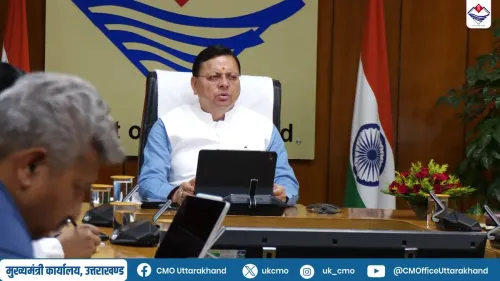
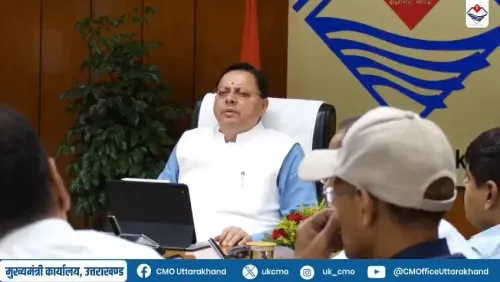
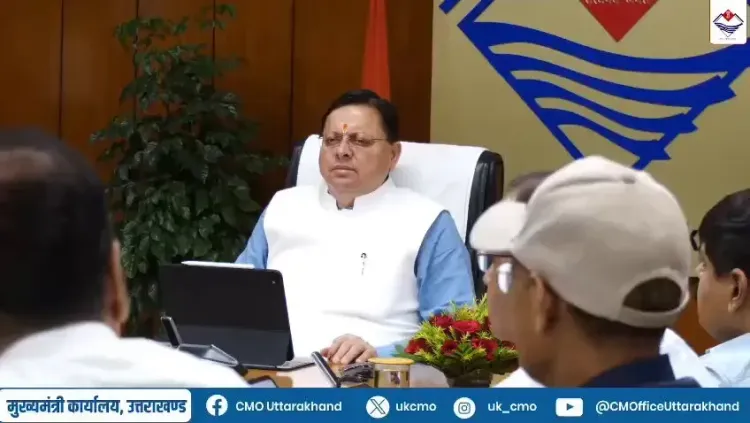
In the shadow of the Himalayas, where chemical-heavy agriculture has always sat uneasily with fragile mountain ecology, Uttarakhand's state government is doubling down on a quieter revolution — training farmers to go organic. The Chief Minister's Office of Uttarakhand announced on Thursday, 6 August 2026 that the state is intensifying its focus on training as the cornerstone of its organic farming push, with Uttarkashi district in the spotlight.
The post, shared in Hindi, states: 'Uttarakhand mein jaivik kheti ko badhawa dene ke liye rajya sarkar de rahi hai prashikshan par zor' — 'To promote organic farming in Uttarakhand, the state government is emphasising training.'
Why Uttarkashi, and Why Now
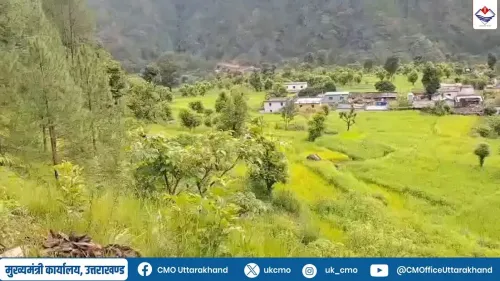
Uttarkashi is not a random choice. A northern district of Uttarakhand with deeply rooted farming communities, it represents the kind of terrain — high altitude, low flat land, limited irrigation — where synthetic-input agriculture has never fully taken hold anyway. The state government's logic is clear: communities that already practise low-chemical farming are the fastest to convert into certified organic producers. Training bridges the gap between traditional practice and market-ready certification. Uttarakhand has long positioned itself as a natural fit for organic agriculture. Its Himalayan geography, relatively low pesticide use, and traditional crop varieties make the transition less disruptive than in plains states. The challenge has always been scale, certification, and market access — and structured training addresses the first link in that chain.Central Policy Backing the State Push
The state's effort draws on a broader national framework. The Paramparagat Krishi Vikas Yojana (PKVY), launched by the central government in 2015, provides support for state-level organic clusters, farmer training, and certification programmes across India. Uttarakhand has been among the hill states that have tapped this scheme to build capacity among smallholder farmers. The current training emphasis fits squarely within that ongoing policy lineage. For Uttarakhand's farmers, the stakes are tangible: certified organic produce commands a price premium in domestic and export markets, offering a potential income lift in a state where agricultural holdings are small and terrain limits yield volumes. Watch for announcements on the scale of training batches, certification targets, and any market-linkage partnerships — those details will determine whether this drive translates into measurable income gains on the ground.Point of View
Rather than attempting a more disruptive shift in plains-style farming communities. This aligns with a broader pattern among hill states seeking to leverage ecological constraints as a competitive advantage in premium agricultural markets. The real test will come when training numbers meet certification and market-linkage outcomes — two steps the announcement has yet to address.
NationPress
20 Sept 2026
Frequently Asked Questions
What is Uttarakhand government doing to promote organic farming?
The Uttarakhand government is emphasising farmer training as the primary tool to promote organic farming, with Uttarkashi district highlighted as a focus area in an announcement made on 6 August 2026.
What is Paramparagat Krishi Vikas Yojana and how does it help Uttarakhand?
The Paramparagat Krishi Vikas Yojana (PKVY) is a central government scheme launched in 2015 that funds organic farming clusters, training, and certification at the state level. Uttarakhand has used it to support capacity-building among smallholder hill farmers.
Why is Uttarkashi targeted for organic farming training?
Uttarkashi is a high-altitude northern district of Uttarakhand with farming communities that already practise low-chemical agriculture, making it well-suited for organic conversion and certification with targeted training support.
What are the benefits of organic farming for Uttarakhand farmers?
Certified organic produce can fetch price premiums in domestic and export markets, offering potential income gains for Uttarakhand's smallholder farmers who have limited land and face terrain-related yield constraints.
Is Uttarakhand suited for organic farming?
Yes. Uttarakhand's Himalayan geography, fragile ecology, traditionally low pesticide use, and indigenous crop varieties make it a natural fit for organic agriculture, requiring less disruptive transition than in high-input plains farming regions.