Uttarakhand CM Office Backs Organic Farming Push
Synopsis
The Uttarakhand Chief Minister's Office on 1 August 2026 reaffirmed the state's continuous effort to promote organic and natural farming, with Nainital highlighted as a focal district. The state has backed sustainable hill agriculture since establishing its Organic Commodity Board in 2003.
Key Takeaways
The Uttarakhand CMO on 1 August 2026 reaffirmed the state government's continuous commitment to organic and natural farming.
Nainital district was specifically highlighted as a focal area for the organic farming push.
Uttarakhand established its Organic Commodity Board in 2003 , one of India's earliest such state bodies.
The state links organic farming to climate resilience for fragile Himalayan ecosystems and premium market access for local produce.
No new scheme or budget figure was announced — the post continues a consistent pattern of public messaging on sustainable agriculture.
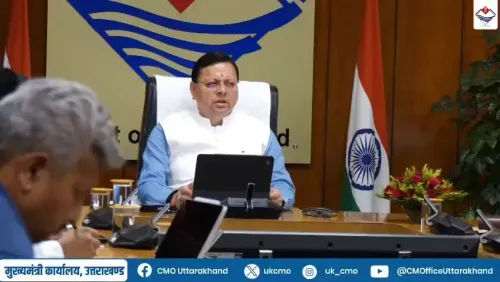
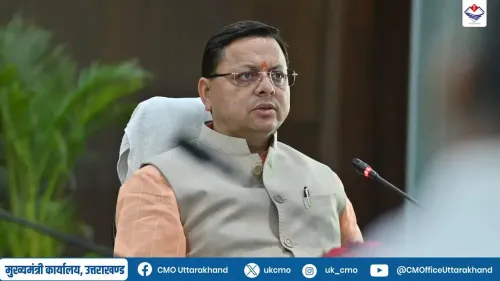
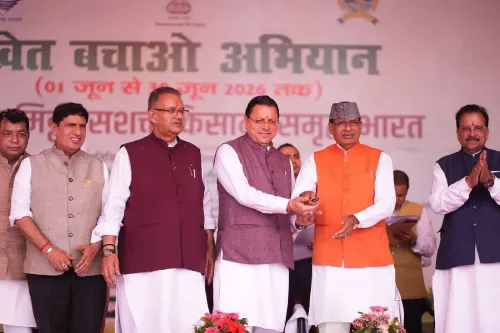
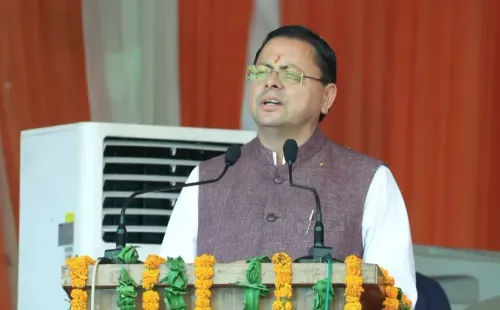
In the terraced fields climbing toward the Himalayas, a quiet agricultural revolution is underway — and Uttarakhand's Chief Minister's Office wants the country to pay attention. On Saturday, 1 August 2026, the official CMO account reaffirmed the state government's sustained commitment to organic and natural farming, spotlighting Nainital as a focal district in this effort.
The post, in Hindi, states: 'Uttarakhand Sarkar prakritik aur jaivik kheti ko badhawa dene ke liye hai nirantar prayasrat' — 'The Uttarakhand Government is continuously working to promote natural and organic farming.' The message is deliberate: no new scheme announced, no headline number dropped. Just a consistent public signal that sustainable agriculture remains a governing priority.
Two Decades of Organic Groundwork
This is not a fresh pivot. Uttarakhand established its Organic Commodity Board in 2003 — one of the earliest such state-level bodies in India — specifically to drive the conversion of hill farms away from chemical inputs. The logic was ecological as much as economic: Himalayan soils and water sources are acutely vulnerable to synthetic fertilisers and pesticides, and degrading them carries downstream consequences for millions.
Successive state governments have kept organic and natural farming at the centre of agricultural messaging, tying it to two arguments that resonate beyond the hills — climate resilience for fragile mountain ecosystems, and premium market access for local produce that commands higher prices in urban and export markets.
Nainital in Focus
Nainital district, explicitly tagged in the post, carries particular weight in this story. Its terraced farms and rich biodiversity make it both a showcase and a test case for what organic transition looks like at scale in a hill economy. The district's produce — from stone fruits to aromatic herbs — stands to gain most from verified organic certification, which opens doors to premium buyers that conventional farming cannot.
For hill farmers already working smaller landholdings with lower chemical dependency than plains agriculture, the shift is less disruptive than in other states. The harder challenge is building the certification infrastructure, cold-chain logistics, and value-chain linkages that turn a farming practice into a market advantage.
Uttarakhand's organic ambition is older than most states' — the question now is whether the messaging translates into measurable acreage and certified output in the next budget cycle.
Point of View
Giving the state a credibility advantage it has yet to fully convert into measurable certification numbers. The explicit mention of Nainital suggests the government may be preparing district-level showcases ahead of the next agriculture budget. The real test is whether sustained messaging translates into funded implementation at the farm gate.
NationPress
1 Aug 2026
Frequently Asked Questions
What is Uttarakhand doing to promote organic farming?
The Uttarakhand Government has continuously promoted organic and natural farming through bodies like the Uttarakhand Organic Commodity Board, established in 2003, and by linking sustainable agriculture to climate resilience and premium market access for hill farmers.
When was the Uttarakhand Organic Commodity Board set up?
The Uttarakhand Organic Commodity Board was established in 2003 , making it one of India's earliest state-level bodies dedicated to supporting the conversion of farms to organic cultivation.
Why is Nainital important for organic farming in Uttarakhand?
Nainital's terraced farms, rich biodiversity, and existing low-chemical farming practices make it a natural showcase district for organic transition, with local produce such as stone fruits and herbs well-positioned for premium organic markets.
What is natural farming and how does it differ from organic farming?
Natural farming eliminates all external inputs including organic fertilisers, relying on on-farm biomass and microbial activity, while organic farming permits approved natural inputs. Uttarakhand promotes both approaches to protect Himalayan soils and water sources.
What are the benefits of organic farming for Uttarakhand hill farmers?
Hill farmers in Uttarakhand benefit from organic farming through protection of fragile mountain soils and water sources, greater climate resilience, and access to premium urban and export markets that pay higher prices for certified organic produce.