Uttarakhand CM Office: Chamoli woman turns goat farmer
Synopsis
Uttarakhand's Chief Minister's Office showcased Sushma Devi of Koli village, Chamoli, as a Gramotthan project beneficiary who achieved self-reliance through goat rearing — putting a human face on the state's rural livelihood push in its most rugged hill districts.
Key Takeaways
Sushma Devi of Koli village, Chamoli district launched a goat-rearing business with Gramotthan project support.
The Gramotthan project is an Uttarakhand state initiative targeting village-level self-employment and rural upliftment.
Chamoli district lies in the Garhwal Himalayas , where difficult terrain limits conventional farming and wage opportunities.
Goat rearing is identified as a low-capital, high-fit livelihood model for women in Uttarakhand's hill districts.
The CMO of Uttarakhand publicised the story on 3 November 2026 to illustrate the scheme's on-ground impact.
In Koli village, Chamoli district, Sushma Devi no longer waits for seasonal wage work. With backing from the Gramotthan project — Uttarakhand's village-development initiative — she built a goat-rearing business from scratch and stepped into economic independence on her own terms.
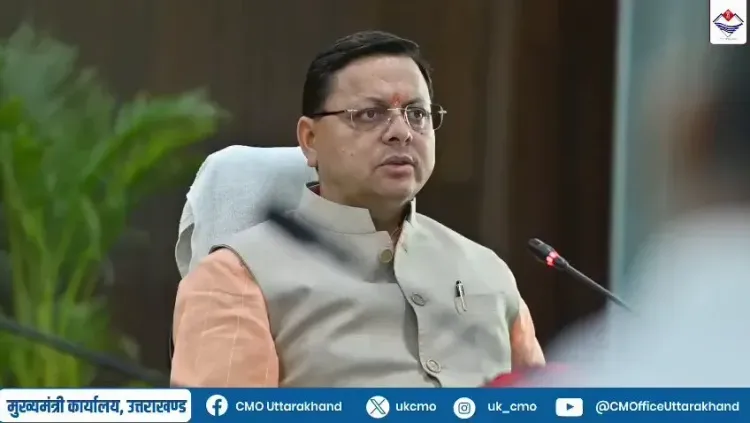
The Chief Minister's Office of Uttarakhand spotlighted Sushma Devi's story on Tuesday, 3 November 2026, posting on X: 'जनपद चमोली के कोली गांव की सुषमा देवी, ग्रामोत्थान परियोजना की मदद से बकरी पालन व्यवसाय शुरू कर बनी आत्मनिर्भर.' ('Sushma Devi of Koli village, Chamoli district, became self-reliant by starting a goat-rearing business with the help of the Gramotthan project.')
Why Chamoli — and why goats
Chamoli sits deep in the Garhwal Himalayas, where steep terrain makes mechanised farming nearly impossible and wage opportunities are sparse, particularly for women. Goat rearing fits the landscape precisely: low land requirement, low start-up capital, and a ready local market for both milk and meat. For rural women in hill districts, it has long been one of the most accessible entry points into independent enterprise.
Gramotthan project's village-level push
The Gramotthan project — whose name translates broadly as 'village upliftment' — channels state support into small-scale livelihood activities at the panchayat level across Uttarakhand. The scheme represents a broader pattern of Uttarakhand governments using livestock and cottage-enterprise models to demonstrate self-employment results in hill districts, where conventional industrial development is structurally difficult to deliver.
Sushma Devi's case is the kind of micro-success story the CMO uses to signal that the project is converting policy intent into household income. One woman, one village, one enterprise — but the framing is deliberate: it puts a face on a programme designed to reach thousands.
Self-reliance, one herd at a time
The CMO's post carries the hashtags #SelfEmployment, #Chamoli, and #Uttarakhand — a deliberate alignment with the national self-reliance narrative applied at the village scale. If the Gramotthan project's reach extends to other hill districts, stories like Sushma Devi's become both proof-of-concept and recruitment pitch for women yet to enrol.
The mountains of Garhwal have always demanded resilience. Now, at least for one family in Koli village, they are also yielding a livelihood.
Point of View
But it serves a dual purpose: it documents programme outcomes and widens awareness among potential beneficiaries who may not have engaged with the scheme yet. For Uttarakhand, where geography concentrates poverty in remote hill blocks, livestock-based livelihoods are structurally central — not peripheral — to any credible rural employment agenda. The Gramotthan project's visibility in the CMO's social media feed suggests the state is leaning into micro-enterprise narratives ahead of what is likely a broader programme expansion. Whether one story in Koli village translates into measurable district-wide outcomes is the question every such announcement eventually has to answer.
NationPress
3 Nov 2026
Frequently Asked Questions
Who is Sushma Devi from Chamoli?
Sushma Devi is a resident of Koli village in Chamoli district, Uttarakhand, who became self-reliant by starting a goat-rearing business with support from the state's Gramotthan project.
What is the Gramotthan project in Uttarakhand?
The Gramotthan project is an Uttarakhand government scheme aimed at village-level upliftment and self-employment, supporting rural residents — especially women — in starting small enterprises such as livestock rearing.
Why is goat rearing promoted in Chamoli?
Chamoli's steep Himalayan terrain makes large-scale farming difficult. Goat rearing requires minimal land and low start-up capital, making it one of the most accessible livelihood options for women in the district.
Which district is Koli village in?
Koli village is located in Chamoli district, which is part of the Garhwal region of Uttarakhand.
What did the Uttarakhand Chief Minister's Office post on 3 November 2026?
The Chief Minister's Office of Uttarakhand posted on X about Sushma Devi of Koli village, Chamoli, highlighting how the Gramotthan project helped her start a goat-rearing business and achieve self-reliance.