Uttarakhand CM Office: Horticulture Board-ITBP Deal Bears Fruit in Champawat
Synopsis
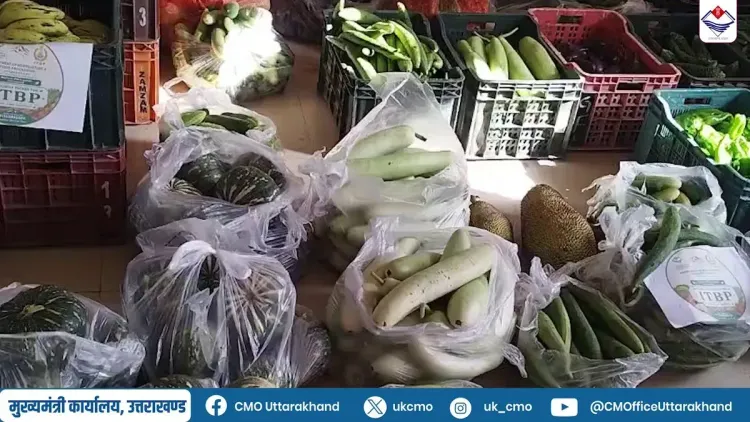
The Chief Minister's Office of Uttarakhand says an agreement between the Uttarakhand Horticulture Board and ITBP is producing visible results for farmers in Champawat, giving local growers an assured institutional market for their horticultural produce.
Key Takeaways
The Uttarakhand Horticulture Board and ITBP have an active procurement agreement aimed at strengthening farmer incomes in the state.
Champawat district in the Kumaon region is the focal area where on-ground results are being reported.
The arrangement gives local farmers a direct institutional buyer, reducing dependence on distant wholesale markets and cutting post-harvest losses.
ITBP's forward posts in remote Himalayan areas create a natural, recurring demand for fresh produce that local growers can now supply.
The model aligns with a broader Himalayan-state strategy of linking security-force procurement to local agricultural output.
Replication across other Uttarakhand districts remains the key indicator to watch in coming seasons.
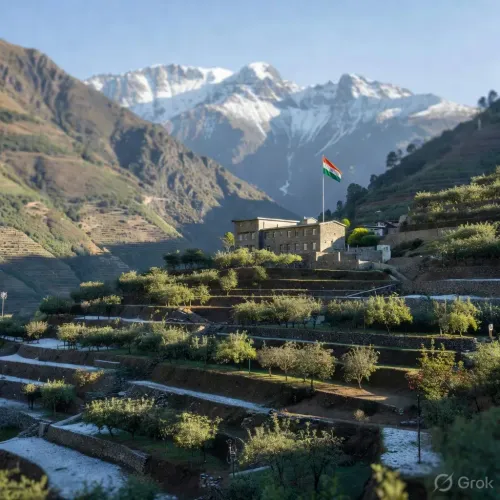
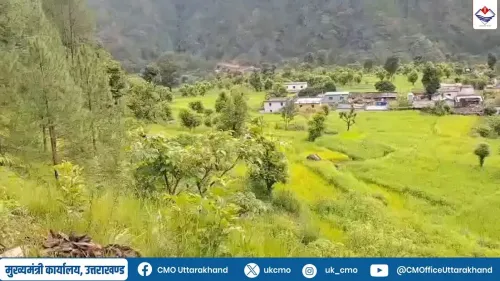
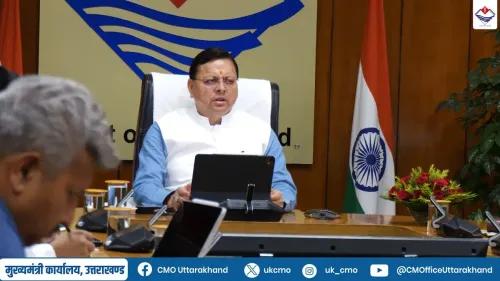
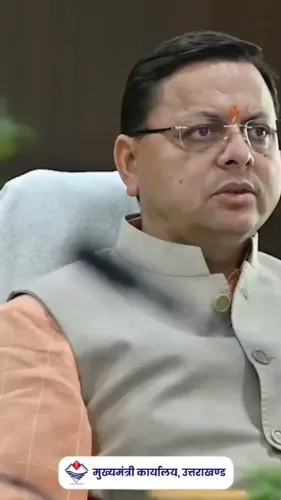
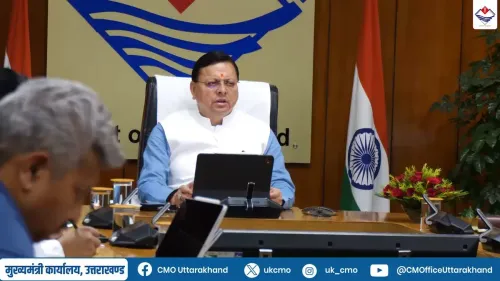
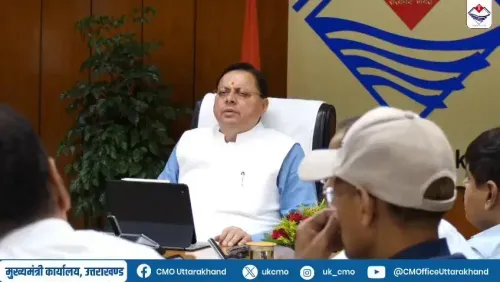
In the high-altitude farms of Champawat, a quiet experiment in institutional procurement is starting to pay off — and the Chief Minister's Office of Uttarakhand wants the country to know it. On Tuesday, 29 September 2026, the CMO posted on X that the agreement between the Uttarakhand Horticulture Board and the Indo-Tibetan Border Police (ITBP) is now delivering visible results on the ground for local farmers.
The post, in Hindi, states that the deal is producing 'skaratmak parinaam' ('positive results') — strengthening the economic condition of farmers in Uttarakhand and giving local growers access to a better market for their produce. Champawat, a district in the Kumaon region, is specifically highlighted as a site where the impact is becoming tangible.
Why ITBP as a Buyer Changes the Equation for Hill Farmers
The logic of the arrangement is straightforward but consequential. ITBP — the Central Armed Police Force that guards India's border with China — maintains forward posts in some of the most remote corners of the Himalayas. Those posts need a steady supply of fresh produce. Local farmers, meanwhile, face punishing post-harvest losses because distant wholesale markets are difficult to reach from Uttarakhand's hilly terrain.
Connecting the two through an institutional procurement agreement eliminates the middleman, guarantees demand, and gets perishables off the farm before they spoil. It is a model that Himalayan states have increasingly explored, precisely because conventional market infrastructure struggles to reach these altitudes.
Champawat's Place in Uttarakhand's Horticulture Push
The Uttarakhand Horticulture Board was set up to systematically develop the state's fruit and vegetable sector across its hilly districts — a mandate that gained additional momentum after the National Horticulture Mission began providing central assistance to states from 2005-06 onward, covering market linkages and post-harvest infrastructure. Champawat, nestled in Kumaon, has the agro-climatic profile for a range of horticultural crops, but its farmers have historically struggled to translate good harvests into good incomes without reliable buyers nearby.
The ITBP tie-up offers exactly that reliability — an assured, recurring institutional buyer stationed close enough to make logistics work.
The Bigger Model and What Comes Next
If Champawat's results hold, the real question is whether Uttarakhand scales the model across other districts. The state has multiple border-adjacent and remote hilly zones where the same supply-demand mismatch exists, and where ITBP or other security forces maintain a significant presence. A replication drive could meaningfully shift the economics of hill farming across the region.
For now, the CMO's public communication signals that the government sees this as a showcase — a proof of concept worth amplifying. The farmers of Champawat may be the first to benefit. They are unlikely to be the last.
Point of View
It could become a template cited in national horticulture policy discussions. The political dividend, however, depends entirely on whether farmer incomes measurably rise — a claim the government has so far framed in qualitative terms.
NationPress
29 Sept 2026
Frequently Asked Questions
What is the Uttarakhand Horticulture Board-ITBP agreement about?
The agreement links the Uttarakhand Horticulture Board with the Indo-Tibetan Border Police (ITBP) so that ITBP units stationed in remote border areas procure fresh horticultural produce directly from local farmers, giving growers an assured institutional market.
Which district in Uttarakhand is benefiting from the ITBP-farmer deal?
Champawat district in the Kumaon region of Uttarakhand has been specifically highlighted by the Chief Minister's Office as a location where the agreement is producing on-ground results.
Why does ITBP buy produce from local farmers in Uttarakhand?
ITBP maintains forward posts in remote Himalayan areas and needs a steady supply of fresh produce. Sourcing locally from nearby hill farmers reduces logistics costs for ITBP while providing farmers with a reliable, close-by buyer.
What is the Uttarakhand Horticulture Board?
The Uttarakhand Horticulture Board is a state agency responsible for promoting the development of fruit and vegetable cultivation across Uttarakhand's hilly districts, including facilitating market linkages for farmers.
Can this ITBP-horticulture model be replicated in other Uttarakhand districts?
The model is considered replicable in other hilly, border-adjacent districts of Uttarakhand where ITBP or other security forces are present and where farmers face similar market-access challenges. No official announcement of expansion has been made yet.