Uttarakhand CM Office Signals Boost for Nursing Education
Synopsis
The Chief Minister's Office of Uttarakhand announced on November 16, 2026 that nursing education in the state is being strengthened — a critical step toward addressing the trained healthcare worker shortages that have long challenged the state's remote Himalayan districts.
Key Takeaways
The Chief Minister's Office of Uttarakhand posted on November 16, 2026 that nursing education in the state is gaining 'new strength.' Uttarakhand , formed in 2000 , faces persistent shortages of trained healthcare workers due to its difficult Himalayan terrain.
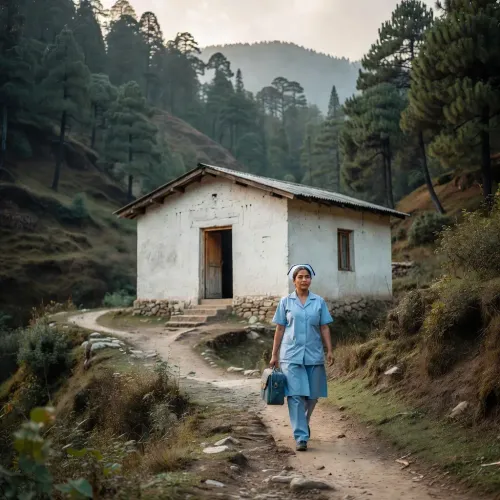
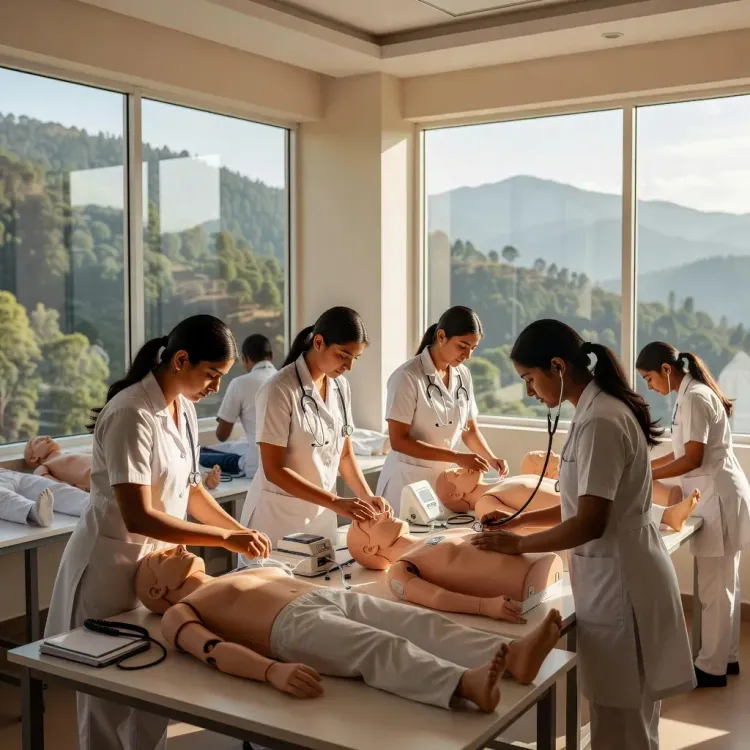
Local nursing training capacity is considered critical for staffing remote primary health centres in districts such as Chamoli and Pithoragarh .
Nursing education standards and accreditation in India fall under the Indian Nursing Council , making state-level expansions subject to national regulatory frameworks.
Specific measures — new colleges, seat additions, or curriculum changes — behind this announcement have not yet been publicly detailed.
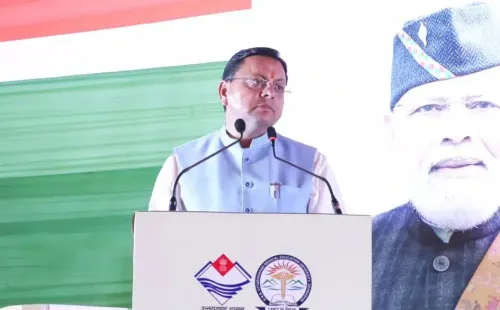
In a state where Himalayan terrain has long stretched the limits of healthcare delivery, Uttarakhand's Chief Minister's Office signalled on Monday, November 16, 2026 that nursing education in the state is receiving renewed and strengthened support — a quiet but consequential move for a sector that underpins every hospital ward and rural health centre in the mountains.
The official post, shared from the Chief Minister's Office handle, stated: 'उत्तराखण्ड में नर्सिंग शिक्षा को मिल रही नई मजबूती' — 'Nursing education in Uttarakhand is gaining new strength.' Brief, but pointed.
Why Nursing Training Matters More in the Hills
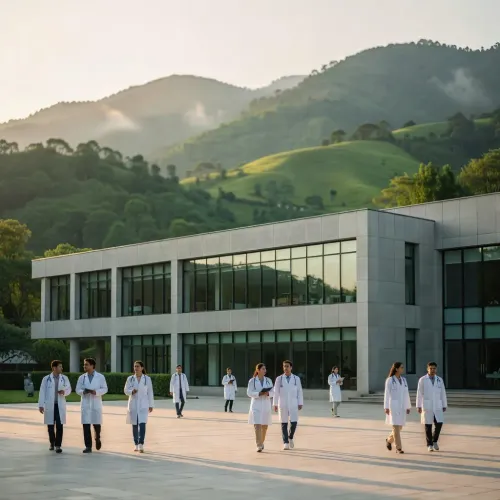
Uttarakhand, carved out as a separate state in 2000, has always faced a structural tension: vast, dispersed populations across high-altitude districts and a chronic shortage of trained healthcare workers willing to serve there. Building local training capacity — producing nurses who know the terrain, the community, and the conditions — is not an administrative checkbox. It is the difference between a functioning primary health centre and a locked one.
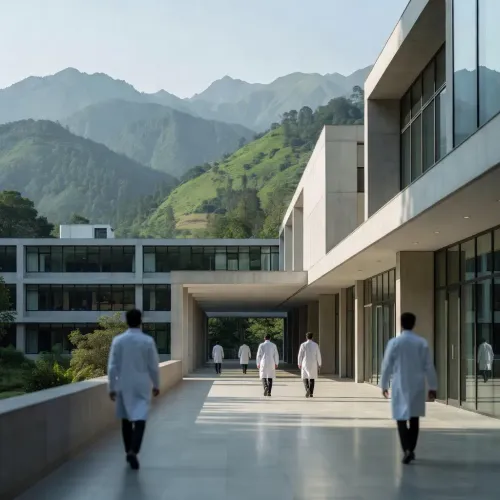
India's nursing workforce gap is well-documented at the national level, with the Indian Nursing Council overseeing standards and accreditation for programmes across states. Any expansion — new colleges, updated curricula, fresh regulatory approvals — feeds directly into the pipeline of trained staff that hill districts urgently need.
A Pattern Across Indian States, With Himalayan Stakes
Uttarakhand is not alone in prioritising this space. Indian states have periodically announced measures to strengthen nursing and paramedical education, particularly as post-pandemic awareness sharpened the focus on frontline health worker shortages. What distinguishes Uttarakhand's situation is geography: getting a trained nurse to a remote block in Chamoli or Pithoragarh is a logistics problem that only local training infrastructure can sustainably solve.
The specific measures behind this announcement — whether new institutions, seat expansions, scholarship schemes, or regulatory clearances — have not yet been detailed publicly. What is clear is that the state government views the strengthening of nursing education as a priority worth flagging directly from the Chief Minister's Office.
When trained nurses are made in Uttarakhand, they are far more likely to stay there. That equation, simple as it sounds, is what every health planner in the hills is trying to solve — and this push, however it unfolds in detail, is a step toward cracking it.
Point of View
Not just departmental churn. For Uttarakhand, the subtext is clear: a state that cannot train and retain nurses locally will always import them at a premium — or go without. This push fits into a broader national pattern of post-pandemic health workforce reckoning, but the Himalayan geography gives it sharper urgency. The real test will be in the follow-through: seats sanctioned, colleges built, and graduates actually posted to the blocks that need them most.
NationPress
16 Nov 2026
Frequently Asked Questions
What did the Uttarakhand government announce about nursing education?
The Chief Minister's Office of Uttarakhand announced on November 16, 2026 that nursing education in the state is being strengthened, though specific details of the measures have not yet been publicly disclosed.
Why is nursing education important for Uttarakhand?
Uttarakhand's mountainous terrain makes healthcare delivery difficult and creates shortages of trained staff in remote districts. Building local nursing training capacity helps produce healthcare workers who are more likely to serve in hill areas.
Which body regulates nursing education in India?
The Indian Nursing Council is the national body that oversees standards, accreditation, and regulatory frameworks for nursing education programmes across Indian states, including Uttarakhand.
What are the healthcare challenges in Uttarakhand's remote districts?
Districts such as Chamoli and Pithoragarh face significant challenges in healthcare delivery due to high altitude, dispersed populations, and a chronic shortage of trained medical and nursing staff willing to serve in remote postings.
How does local nursing training help hill states like Uttarakhand?
Nurses trained within Uttarakhand are more likely to remain and work in the state, reducing dependence on staff from outside and improving the sustainability of rural and remote health services.