Uttarakhand CMO Greets People on Igas (Budi Diwali)
Synopsis
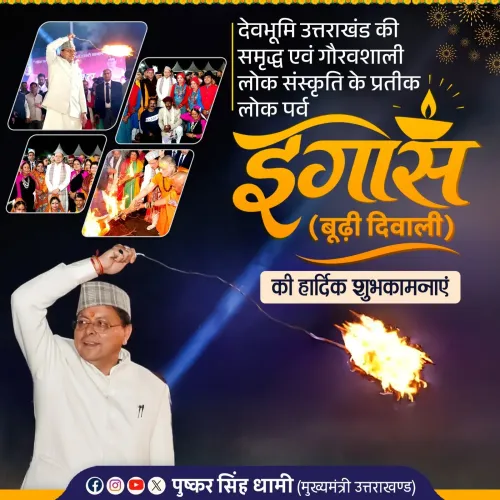
The Chief Minister's Office of Uttarakhand wished residents on Igas (Budi Diwali), the distinctive Himalayan folk festival where hill communities light lamps weeks after the main Diwali, keeping a centuries-old regional tradition alive.
Key Takeaways
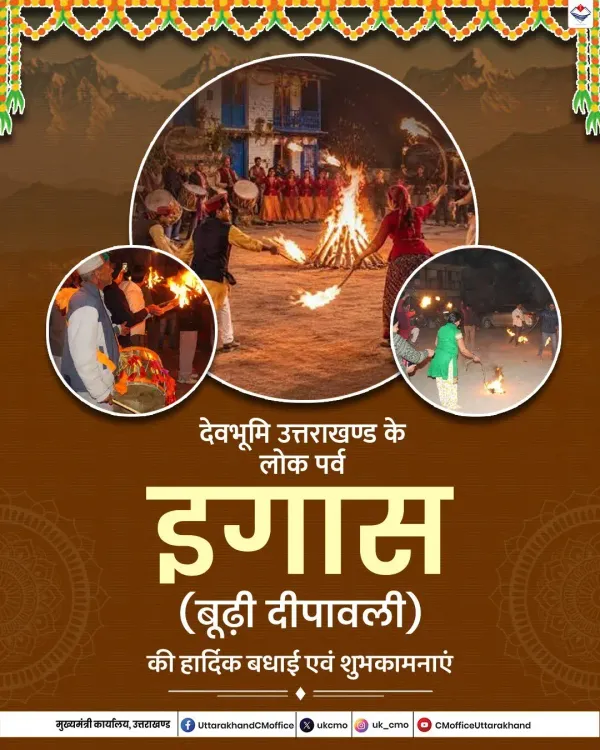
The Chief Minister's Office of Uttarakhand posted official greetings for Igas (Budi Diwali) on 20 November 2026 .
Igas , also called Budi Diwali ('Old Diwali'), is a folk festival unique to the hill communities of Uttarakhand .
It is celebrated weeks after the main Diwali , rooted in the belief that news of Lord Ram's return reached mountain villages late.
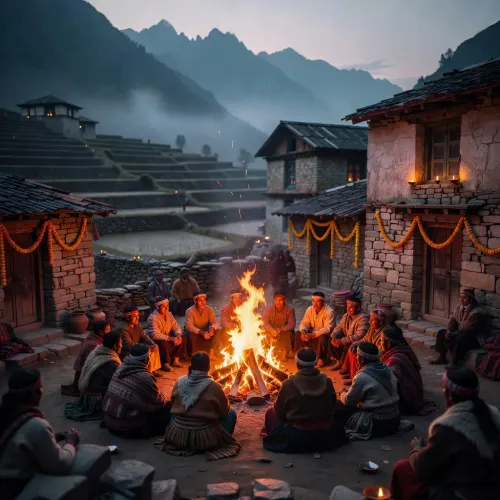
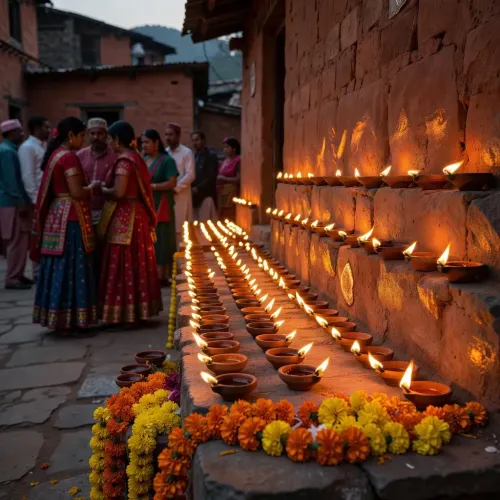
The festival features oil-lamp lighting, folk songs, and community dances central to Himalayan oral culture.
Official recognition by the state reinforces Uttarakhand's cultural tourism and regional identity agenda.
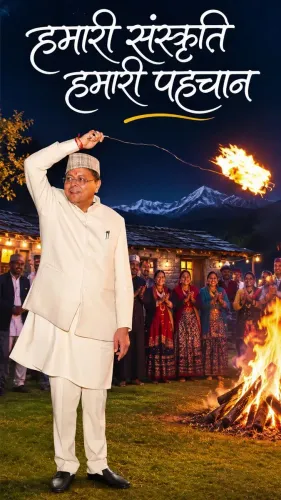
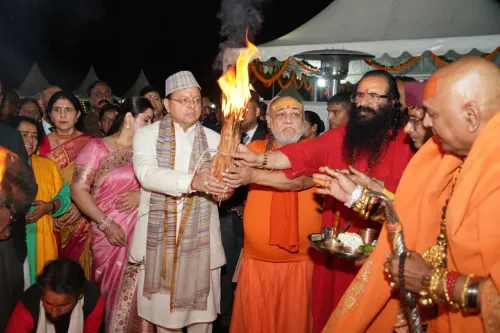
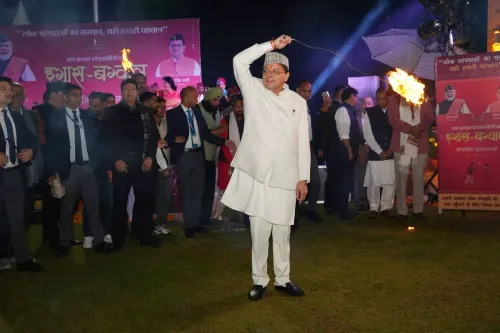
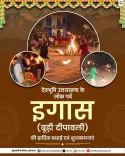
Deep in the Himalayas, where the main Diwali has long faded, the hills of Uttarakhand light up again — this time for Igas, the folk festival the highlands call their own. The Chief Minister's Office of Uttarakhand extended warm greetings to all on the occasion of Igas (Budi Diwali) on Friday, 20 November 2026, saluting a tradition that sets Devbhoomi (the Land of Gods) apart from every other Diwali celebration in the country.
The official post read: 'Devbhoomi Uttarakhand ke lok parv Igas (Budi Diwali) ki aap sabhi ko hardik badhai evam shubhkamnayen' — 'Heartfelt congratulations and best wishes to all on the folk festival Igas (Budi Diwali) of Devbhoomi Uttarakhand.'
What makes Igas a festival unlike any other Diwali
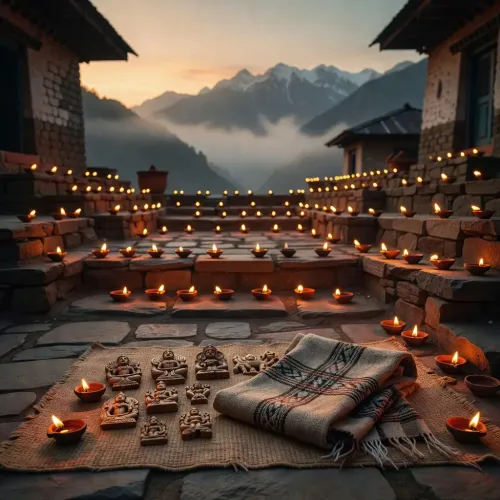
Igas, also known as Budi Diwali — literally 'Old Diwali' — is observed weeks after the main Diwali in the hill communities of Uttarakhand. Legend holds that news of Lord Ram's return to Ayodhya reached the remote mountain villages much later than the plains, so the hills lit their lamps on their own time. The festival is marked by oil-lamp lighting, traditional jhoda and chanchri folk songs, and community dances that keep the oral culture of the high Himalayas alive.
Uttarakhand's folk calendar and official recognition
Uttarakhand, officially designated Devbhoomi, has long been recognised for preserving distinct regional customs alongside its famous pilgrimage circuit. State governments have made it routine practice to mark these local festivals through official channels — a signal that regional identity and cultural tourism remain deliberate priorities. The CMO's greeting reinforces that institutional acknowledgement, connecting the state apparatus to the living traditions of its hill communities.
Point of View
Whose identity is inseparable from its pilgrimage and folk heritage, greetings like this one reinforce the state's brand as Devbhoomi. The gesture is ceremonial but deliberate, keeping local customs visible in a national digital conversation that often flattens regional diversity. Whether it translates into concrete heritage or tourism policy is the question that follows every such post.
NationPress
20 Nov 2026
Frequently Asked Questions
What is Igas or Budi Diwali in Uttarakhand?
Igas, also called Budi Diwali or 'Old Diwali', is a traditional folk festival celebrated in the hill communities of Uttarakhand several weeks after the main Diwali. It involves lighting oil lamps and performing traditional folk songs and dances.
Why is Budi Diwali celebrated late in Uttarakhand?
According to local tradition, news of Lord Ram's return to Ayodhya reached the remote Himalayan villages of Uttarakhand much later than the plains, so hill communities lit their lamps on a later date — a custom that has continued for generations.
When is Igas (Budi Diwali) celebrated in 2026?
The Chief Minister's Office of Uttarakhand posted greetings for Igas on 20 November 2026, indicating the festival falls around that date, though the exact observance date in specific villages may vary.
What does Devbhoomi mean?
'Devbhoomi' literally means 'Land of Gods' in Sanskrit. It is the official designation of Uttarakhand, reflecting the state's dense network of Hindu pilgrimage sites and its deeply rooted spiritual and cultural traditions.
How does the Uttarakhand government acknowledge regional folk festivals?
The Chief Minister's Office of Uttarakhand routinely posts official greetings on regional festivals via social media, recognising local customs and reinforcing the state's focus on cultural heritage and tourism.