CM Uttarakhand Office Marks 12 Years of Garib Kalyan, India as Millet Hub
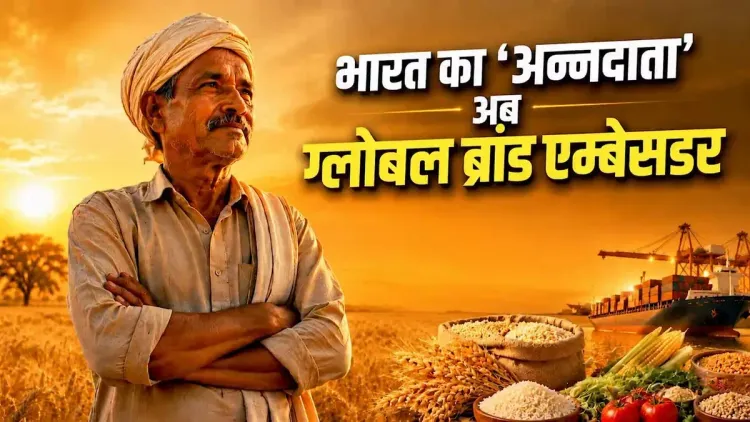
Synopsis
The Uttarakhand Chief Minister's Office marked 12 years of the Modi government on 11 June 2026, spotlighting India's positioning as a Global Millets Hub and the Garib Kalyan welfare legacy spanning trust, development, and public welfare since 2014.
Key Takeaways
The Uttarakhand CMO posted on 11 June 2026 to mark 12 years of the central government under #12YearsofGaribKalyan .
The post declares India has become a Global Millets Hub , framing it as a key achievement of 12 years of governance.
India proposed the International Year of Millets to the UN in 2021 ; the 2023 observance boosted domestic production and exports.
The PM Garib Kalyan Anna Yojana , launched in 2020 , is a cornerstone of the welfare narrative being amplified by BJP-governed states.
Uttarakhand's traditional millet crop — mandua (finger millet) — gives the state a direct stake in the millets-hub positioning.
Possible inclusion of millets in mid-day meal and ICDS norms remains a key policy development to watch.
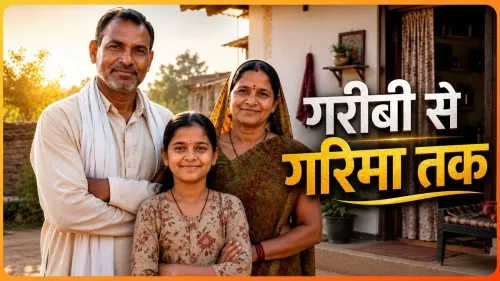
The Chief Minister's Office of Uttarakhand on Thursday, 11 June 2026 joined the national chorus marking 12 years of the Bharatiya Janata Party-led central government, highlighting welfare delivery, development, and India's emergence as a global millets hub under the hashtag #12YearsofGaribKalyan.
Context
The post, shared from the official CMO handle, carries the message: '12 saal vishwas ke, vikas ke, jankалyan ke: Bharat bana Global Millets Hub' — translating to '12 years of trust, development, and public welfare: India has become a Global Millets Hub.' The message aligns with a broader campaign being amplified by BJP-governed state governments to mark the 12th anniversary of the Narendra Modi-led central government, which took office in May 2014.
The Uttarakhand CMO's endorsement signals the state government's alignment with the Centre's narrative on agricultural transformation and welfare delivery, framing millets as a flagship achievement alongside food security schemes.
Policy Backdrop
India's push to position itself as a global millets hub has roots in a sustained policy effort. India proposed the International Year of Millets to the United Nations in 2021, leading to the 2023 observance that accelerated domestic production targets and export-promotion policies. The National Food Security Mission's millets component was strengthened post-2014, with higher budgetary outlays and expanded Minimum Support Price coverage for crops including jowar, bajra, and ragi.
Alongside agricultural diversification, the PM Garib Kalyan Anna Yojana — launched in 2020 and subsequently extended — has been central to the '12 years of Garib Kalyan' narrative, providing free foodgrain to hundreds of millions of households. The central government has consistently linked nutrition programmes, millet promotion, and export incentives under a single welfare umbrella.
Stakeholders and Impact
Small and marginal farmers, who form the backbone of millet cultivation in states like Uttarakhand, Rajasthan, Karnataka, and Maharashtra, stand as the primary beneficiaries of enhanced MSP support and market linkage programmes. Rural households dependent on the public distribution system have also been targeted through expanded foodgrain entitlements.
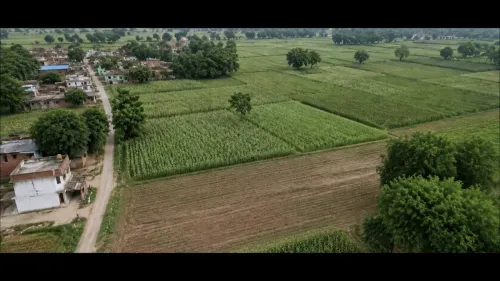
For Uttarakhand specifically, millets — including mandua (finger millet) — are a traditional crop with deep cultural significance and growing commercial potential. The state has in recent years promoted mandua-based products under its own agricultural branding initiatives, making the CMO's amplification of the 'Global Millets Hub' message locally resonant.
What's Next
Observers will watch for state-level millet mission targets and export incentives in the upcoming agricultural season. There is also anticipation around a possible formal inclusion of millets in mid-day meal and ICDS (Integrated Child Development Services) nutritional norms — a move that would institutionalise demand at scale.
As the #12YearsofGaribKalyan campaign builds, state governments are expected to release their own welfare tallies, potentially feeding into a larger national policy communication exercise ahead of future electoral cycles.
Point of View
With millets serving as a politically versatile symbol — bridging farmer welfare, nutritional security, and India's global agricultural brand. By anchoring the message in the Garib Kalyan frame, BJP-governed states are reinforcing a welfare-first electoral identity ahead of future cycles. The millets narrative is particularly strategic for hill states like Uttarakhand, where traditional crops align neatly with both the 'vocal for local' push and climate-resilient agriculture goals. Whether the 'Global Millets Hub' claim translates into measurable export and production gains will be the real test of this policy communication exercise.
NationPress
26 Oct 2026
Frequently Asked Questions
What is the #12YearsofGaribKalyan campaign about?
#12YearsofGaribKalyan is a campaign marking 12 years of the Narendra Modi-led central government since May 2014, highlighting welfare schemes such as PM Garib Kalyan Anna Yojana, agricultural programmes, and India's rise as a Global Millets Hub.
Why is India called a Global Millets Hub?
India proposed the International Year of Millets to the UN in 2021, leading to the 2023 global observance. Since 2014, the government has expanded MSP coverage for millets, boosted production targets, and promoted millet exports, positioning India as a leader in global millet supply and advocacy.
What is PM Garib Kalyan Anna Yojana?
PM Garib Kalyan Anna Yojana is a free foodgrain scheme launched by the central government in 2020 and subsequently extended, providing subsidised or free grains to hundreds of millions of households as part of India's food security framework.
What millets are grown in Uttarakhand?
Uttarakhand is known for cultivating mandua, or finger millet (ragi), which is a traditional staple in the hill districts. The state has been promoting mandua-based products commercially under its own agricultural branding initiatives.
What policy changes could further boost India's millet sector?
Analysts are watching for the possible inclusion of millets in mid-day meal and ICDS nutritional norms, expanded state-level millet mission targets, and new export incentives in the upcoming agricultural season as the next steps in India's millet policy.