Uttarakhand CM Office Flags Key Points of Supplementary Budget 2026-27

Synopsis
The Chief Minister's Office of Uttarakhand published the key economic highlights of the state's Supplementary Budget 2026-27 on October 27, invoking the constitutional mechanism under Article 205 for mid-year fiscal revision ahead of Vidhan Sabha approval.
Key Takeaways
The Uttarakhand CMO officially shared highlights of the Supplementary Budget 2026-27 on October 27, 2026 .
Supplementary budgets are a constitutional mechanism under Article 205 allowing states to seek additional grants mid-financial year.
The revision adjusts allocations beyond the main state budget presented earlier in 2026 .
Key state spending sectors include tourism, hydropower, rural development , and disaster management .
The supplementary grants will require formal approval from the Uttarakhand Vidhan Sabha to become operative.
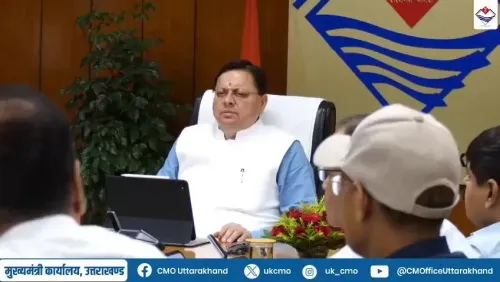
Mid-year fiscal corrections rarely make headlines — but when a hill state recalibrates its spending priorities, the numbers tell a story about where governance is actually headed. The Chief Minister's Office of Uttarakhand on Tuesday, October 27, 2026, shared the major economic highlights of the Uttarakhand Supplementary Budget 2026-27 on X, flagging the revision as a significant mid-year fiscal exercise for the state.
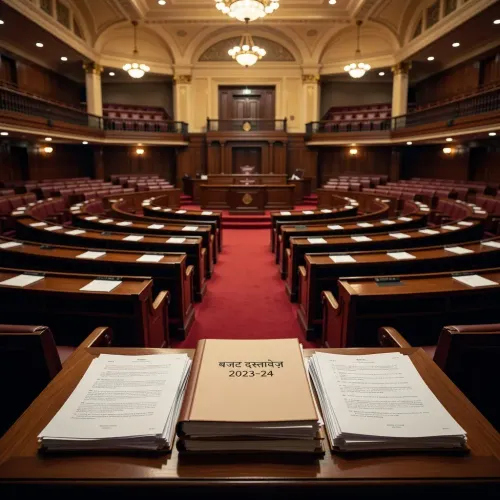
The post, captioned 'उत्तराखण्ड अनुपूरक बजट 2026-27 के प्रमुख आर्थिक बिंदु' ('Key economic points of Uttarakhand Supplementary Budget 2026-27'), was accompanied by an image detailing the headline figures. The CMO's move to proactively publish budget highlights on social media signals a push toward fiscal transparency and public communication of state finances.What a Supplementary Budget Actually Does
India's states operate on a financial year running from April 1 to March 31, with the main annual budget typically tabled in February or March. But governance rarely stays on script. Under Article 205 of the Indian Constitution, state governments are empowered to seek additional grants mid-year — adjusting for revised revenue estimates, newly announced schemes, or expenditures that weren't anticipated when the original budget was drawn up.
This is standard fiscal housekeeping, but the details matter. A supplementary budget reveals the state's actual spending pressure points — which departments needed more money, where original allocations fell short, and which new priorities have emerged since April.
Uttarakhand's Budget Priorities in Focus
Uttarakhand, the northern hill state carved out of Uttar Pradesh in November 2000, runs a budget that leans heavily on sectors such as tourism, hydropower, rural infrastructure, and disaster management — the last a structural necessity given the state's vulnerability to floods and landslides. Supplementary allocations in any given year typically reflect which of these sectors has seen demand outpace original estimates.
The state's legislature, the Uttarakhand Vidhan Sabha, will need to formally approve the supplementary grants — a process that brings these figures into the public legislative record. That approval process is the next critical checkpoint for citizens and analysts tracking the state's fiscal direction.
A mid-year budget correction is never just a line in a spreadsheet. For Uttarakhand's residents — from farmers in the valleys to hoteliers in the hills — it is a snapshot of what the state government considers urgent enough to fund twice. Watch the assembly floor for the full picture.
Point of View
Building a direct information channel with citizens outside the legislative process. The supplementary budget itself is a barometer of how well the original budget held up against ground realities — large revisions often signal either revenue shortfalls or accelerated scheme rollouts. With the Vidhan Sabha approval process ahead, the real test will be whether the allocations align with the state's stated infrastructure and disaster-resilience priorities. For a state that depends significantly on central transfers and tourism revenue, any mid-year course correction carries outsized signal value.
NationPress
27 Oct 2026
Frequently Asked Questions
What is the Uttarakhand Supplementary Budget 2026-27?
It is a mid-year fiscal revision presented by the Uttarakhand government to adjust spending allocations beyond what was approved in the original annual budget for the financial year 2026-27.
Why do state governments present a supplementary budget?
Under Article 205 of the Indian Constitution, state governments can seek additional grants mid-year to cover revised revenue estimates, new schemes, or unforeseen expenditures not included in the main budget.
When is Uttarakhand's financial year and when is the main budget presented?
Like all Indian states, Uttarakhand's financial year runs from April 1 to March 31. The main annual budget is typically presented in February or March before the year begins.
What are the key sectors covered in Uttarakhand's state budget?
Uttarakhand's budget typically covers sectors including tourism, hydropower, rural development, infrastructure, and disaster management — all critical given the state's geography.
What happens after the Uttarakhand Supplementary Budget highlights are released?
The supplementary grants must be formally approved by the Uttarakhand Vidhan Sabha, after which they enter the official legislative record and become operative.