Uttarakhand launches HEOC at Dehradun health directorate
Synopsis
Uttarakhand's Chief Minister's Office has announced a Health Emergency Operation Centre at the Dehradun health directorate to manage disasters, epidemics, and public health emergencies — a long-overdue coordination upgrade for one of India's most disaster-prone Himalayan states.
Key Takeaways
The Health Emergency Operation Centre (HEOC) has been set up at the Directorate General of Health Services in Dehradun .
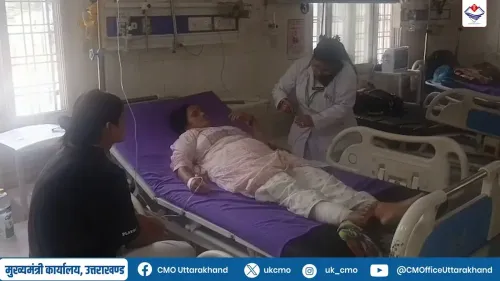
The centre is designed to respond to disasters, epidemics, and emergency health situations across Uttarakhand.
The announcement was made by the Chief Minister's Office of Uttarakhand on 20 August 2026 .
The move aligns with post- 2020 guidelines from the NDMA and the Integrated Disease Surveillance Programme for state-level HEOCs.
Uttarakhand's vulnerability to floods, landslides, and disease outbreaks — highlighted by the 2013 Kedarnath disaster and COVID-19 — makes the centre especially critical.
Details on staffing, technology integration with the national IDSP portal , and emergency drills are yet to be publicly confirmed.
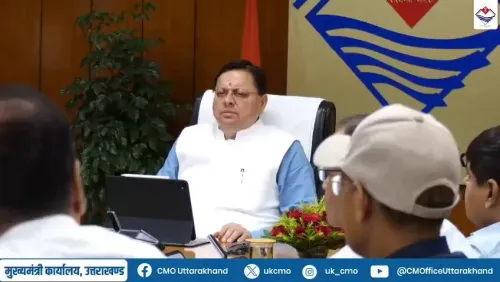
A mountain state that has weathered the 2013 Kedarnath floods, multiple disease outbreaks, and the long grind of the COVID-19 pandemic now has a dedicated nerve centre to fight the next emergency before it spirals. The Chief Minister's Office of Uttarakhand announced on Thursday, 20 August 2026 that a Health Emergency Operation Centre (HEOC) has been established at the Directorate General of Health Services in Dehradun to coordinate the state's response to any disaster, epidemic, or urgent public health crisis.
What the HEOC is designed to do
The centre functions as a single command point — aggregating real-time health intelligence, mobilising medical teams, and coordinating with district administrations the moment an emergency is declared. The post, in Hindi, states the HEOC is 'किसी भी आपदा, महामारी या आपातकालीन स्वास्थ्य समस्या' — 'any disaster, epidemic, or emergency health problem' — ready to respond across the state. Positioning it inside the Health Directorate headquarters in Dehradun places it at the apex of Uttarakhand's health administration chain, shortening the distance between a field alert and a policy decision.
Why Uttarakhand needed this more than most states
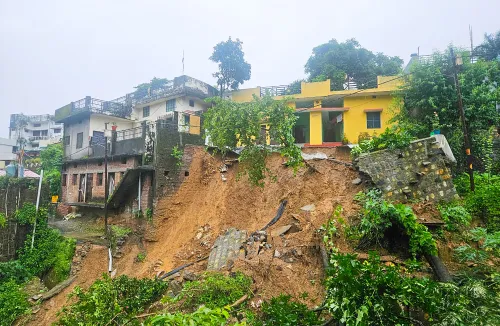
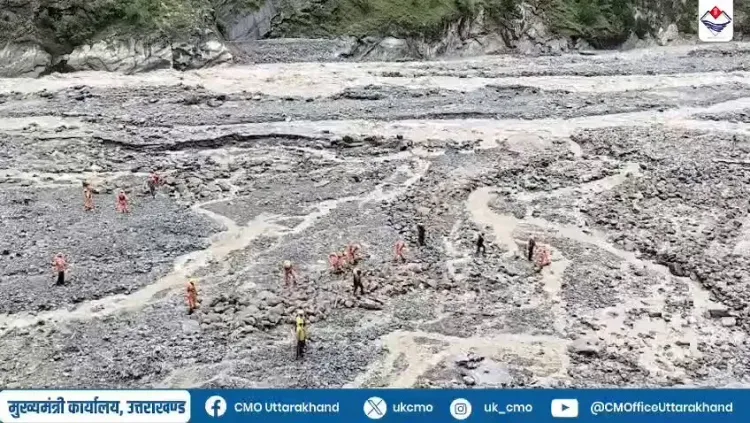
Uttarakhand's Himalayan terrain is a compounding risk factor: flash floods, cloudbursts, and landslides can simultaneously cut off roads, destroy health posts, and trigger waterborne disease clusters — all within hours. The 2013 Kedarnath disaster exposed catastrophic gaps in coordinated health response, and the COVID-19 pandemic reinforced them. Post-2020, the National Disaster Management Authority and the Integrated Disease Surveillance Programme (IDSP) pushed states to build or upgrade dedicated HEOCs. Uttarakhand's move fits squarely into that national push — a belated but concrete institutional fix for a state that cannot afford slow coordination when the next cloudburst hits a pilgrim route.
The infrastructure gaps still to watch
An operations centre is only as strong as its data pipeline and its people. Key questions remain open: how the HEOC integrates with the national IDSP portal for real-time disease surveillance, what round-the-clock staffing looks like, and whether scheduled emergency drills will be built into its calendar. Those details will determine whether this centre becomes a genuine early-warning hub or a well-equipped room that activates only after a crisis is already visible on the evening news.
For a state where the next disaster is never more than a monsoon season away, the HEOC is the infrastructure that has to work the first time.
Point of View
Not ad hoc crisis committees. For Uttarakhand specifically, the move is overdue — the state's disaster record has repeatedly exposed coordination failures between district health offices and the state capital. The real test of institutional intent will come from operational details: IDSP integration, staffing norms, and drill schedules. If those remain vague, the centre risks becoming symbolic infrastructure rather than a functional early-warning system.
NationPress
5 Oct 2026
Frequently Asked Questions
What is the Health Emergency Operation Centre (HEOC) in Uttarakhand?
The HEOC is a dedicated coordination hub established at the Directorate General of Health Services in Dehradun to manage the state's response to disasters, epidemics, and public health emergencies in real time.
Where is Uttarakhand's HEOC located?
It is located at the Directorate General of Health Services headquarters in Dehradun, the state capital of Uttarakhand.
Why does Uttarakhand need a Health Emergency Operation Centre?
Uttarakhand's Himalayan terrain makes it highly vulnerable to floods, landslides, and disease outbreaks. Past events like the 2013 Kedarnath floods and the COVID-19 pandemic revealed critical gaps in coordinated health emergency response.
Is the HEOC part of a national programme?
Yes. Post-2020, the National Disaster Management Authority and the Integrated Disease Surveillance Programme encouraged Indian states to establish or upgrade HEOCs. Uttarakhand's centre follows that national policy direction.
What emergencies will the Uttarakhand HEOC handle?
The centre is designed to handle any disaster, epidemic, or emergency health situation affecting the state, acting as a single command point for coordination between health officials and district administrations.