Uttarakhand SHG Earns ₹18 Lakh in Diwali Season Sales
Synopsis
The Doon Gooseberry Farm Self Help Group of Kotra Kalyanpur in Dehradun's Sahaspur Block earned over ₹18 lakh during Diwali and Bhaiya Dooj, the Uttarakhand CMO announced on November 16, showcasing NRLM-backed rural women's enterprise in action.
Key Takeaways
The Doon Gooseberry Farm SHG of Kotra Kalyanpur, Sahaspur Block, Dehradun earned over ₹18 lakh during the Diwali–Bhaiya Dooj festive window.
The announcement was made by the Chief Minister's Office of Uttarakhand on November 16, 2026 .
The group operates in the amla (Indian gooseberry) horticulture sector of the Doon valley foothills.
The income spike aligns with festive demand for gooseberry-based products — a known seasonal pattern for Dehradun valley SHGs.
The group's model reflects the National Rural Livelihood Mission (NRLM) framework, which has supported women-led SHGs since 2011 by linking them to market value chains.
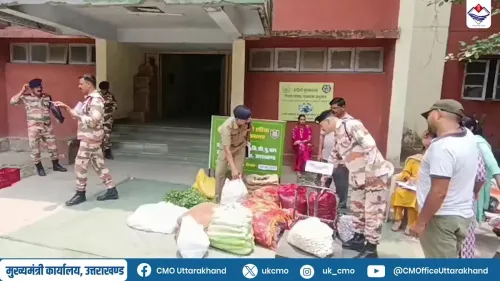
A small self-help group tucked inside the Doon valley just turned the festive season into a serious rural-income story. The Doon Gooseberry Farm Self Help Group of Kotra Kalyanpur village in Sahaspur Block, Dehradun, earned over ₹18 lakh during the Diwali and Bhaiya Dooj period, the Chief Minister's Office of Uttarakhand announced on Monday, November 16, 2026.
The CMO's post — in Hindi — celebrated the group's milestone: 'दीपावली और भैया दूज के दौरान ₹18 लाख से अधिक की आय अर्जित की' ('earned income of more than ₹18 lakh during Diwali and Bhaiya Dooj'). For a village-level SHG in a Himalayan block, that is a striking seasonal haul.
Gooseberry farming meets festive demand in Sahaspur
Sahaspur Block in Dehradun district sits in the lower foothills of the Doon valley, where amla (Indian gooseberry) cultivation has long been a staple livelihood activity. The festive window — Diwali through Bhaiya Dooj — creates a sharp demand spike for processed and fresh amla products, from candied gooseberries to pickles and juices, making it the highest-revenue period in the horticultural calendar for such groups.
NRLM's bet on women-led horticulture clusters
The group's success sits squarely within the architecture of the National Rural Livelihood Mission (NRLM), launched in 2011, which linked women-led SHGs across states — including Uttarakhand — to market value chains for locally grown produce. The state government has consistently publicised seasonal SHG earnings from horticulture to demonstrate the on-the-ground dividend of that investment. What makes the Doon Gooseberry Farm group notable is the scale: ₹18 lakh in a few days from a single village-level collective is a concrete, tangible data point in that larger story.
Uttarakhand's hill economy, historically hampered by thin markets and difficult terrain, increasingly relies on these short festive-season windows as income anchors for rural households. Each publicised success also signals to other SHGs that high-value horticulture — when organised and market-linked — can compete with urban enterprise on earnings, not just social impact.
If the Kotra Kalyanpur model scales across other gooseberry-growing pockets of Dehradun and neighbouring districts, the state's NRLM framework could point to it as a replicable blueprint: take a perishable local crop, organise women producers into a collective, and time the market push to festive demand. The numbers, at least this season, make the case.
Point of View
While localised, is exactly the kind of concrete, human-scale win that builds political capital around rural livelihood programmes ahead of budget cycles. If the state can institutionalise this festive-season market-access model across Dehradun's gooseberry belt, it would mark a meaningful step from subsistence horticulture to organised rural enterprise — but that requires sustained credit linkage and logistics support beyond the annual Diwali window.
NationPress
16 Nov 2026
Frequently Asked Questions
Which self help group earned ₹18 lakh during Diwali in Uttarakhand?
The Doon Gooseberry Farm Self Help Group of Kotra Kalyanpur village in Sahaspur Block, Dehradun earned over ₹18 lakh during Diwali and Bhaiya Dooj 2026.
What crop does the Doon Gooseberry Farm SHG in Dehradun grow?
The group works with amla, commonly known as Indian gooseberry, which is widely cultivated in the foothills of the Doon valley in Sahaspur Block.
What is NRLM and how does it support SHGs in Uttarakhand?
The National Rural Livelihood Mission, launched in 2011, supports community-based self-help groups across India — including Uttarakhand — by linking women producers to markets and agricultural value chains.
Why do Uttarakhand SHGs earn more during Diwali?
Festive seasons like Diwali and Bhaiya Dooj create high demand for processed and fresh horticultural products such as amla-based pickles, candies, and juices, making it the peak revenue period for farm-based SHGs in Dehradun.
Where is Sahaspur Block located in Uttarakhand?
Sahaspur Block is located in Dehradun district, the capital district of Uttarakhand, situated in the lower Himalayan foothills of the Doon valley.