Uttarakhand CMO: Women earning from home via state schemes
Synopsis
The Uttarakhand Chief Minister's Office highlights that state government schemes are enabling women in Nainital and across the hill state to earn livelihoods from home, underlining the role of SHGs and skill-based welfare programmes in bridging the employment gap in rural, terrain-challenged districts.
Key Takeaways
The Uttarakhand CMO posted on November 2, 2026 highlighting home-based employment for women through state schemes.
Nainital district is specifically spotlighted as a site where these programmes are visibly active.
Uttarakhand has run women's livelihood schemes under the National Rural Livelihood Mission and state missions since the early 2000s.
Self-Help Groups (SHGs) providing skill training and market linkages form the backbone of home-based income models in the hill state.
Geographic constraints — steep terrain, scattered villages, seasonal male migration — make home-based models especially critical in Uttarakhand's rural districts.
India's national SHG network spans over nine crore women members , with Uttarakhand's chapters known for integrating local artisan products into formal markets.
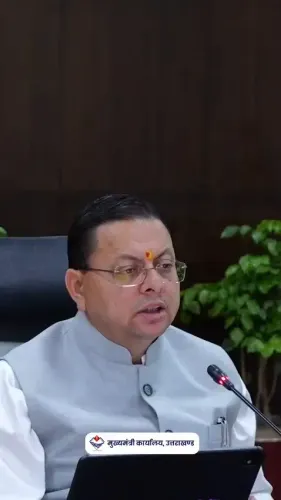
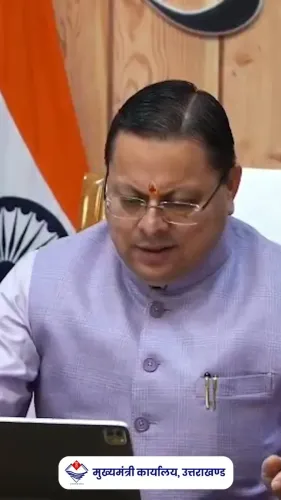
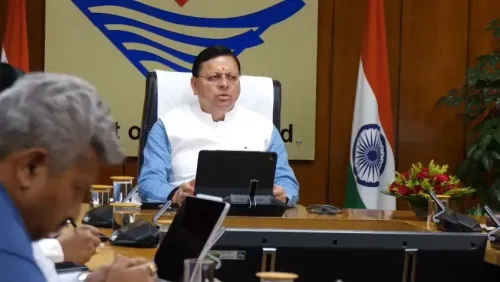
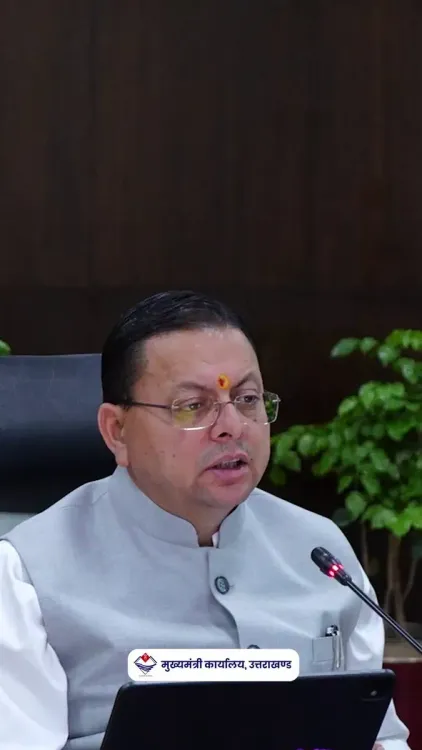
In the hill districts of Uttarakhand, state government schemes are quietly rewriting the economic story for women who once had few options beyond subsistence — and Nainital is emerging as a visible face of that shift. The Chief Minister's Office of Uttarakhand shared this message on Monday, November 2, 2026, highlighting how women across the state are now generating income without leaving their homes.
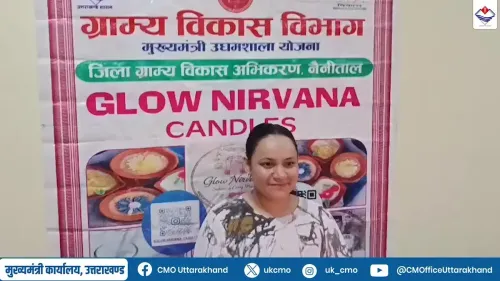
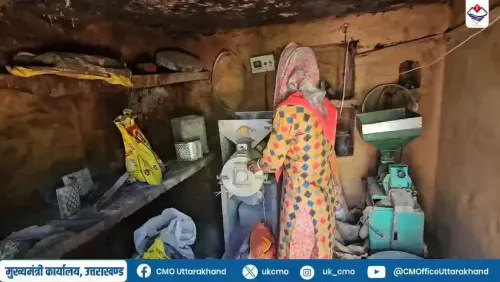
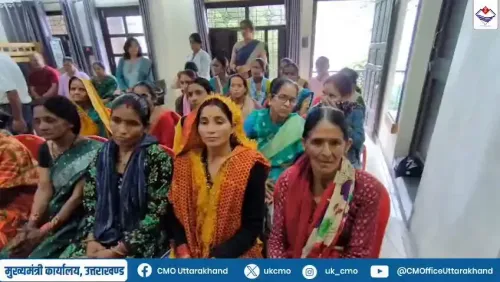
The post, written in Hindi, states: 'Uttarakhand mein rajya sarkar ki yojanaon se mahilaon ko ghar baithe mil raha hai rozgar' — 'Through state government schemes in Uttarakhand, women are getting employment while sitting at home.' The accompanying video underscores the on-ground reality in Nainital district, one of the state's most prominent hill regions.
A long-running push for home-based livelihoods in the hills
Uttarakhand's geography has always made conventional employment a challenge for rural women. Steep terrain, scattered settlements, and seasonal migration by male members of households have historically left women with limited formal income avenues. The state has addressed this through frameworks rooted in the National Rural Livelihood Mission (NRLM) and successive state livelihood missions that date back to the early 2000s.
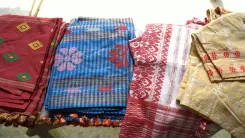
These programmes have typically worked by organising women into Self-Help Groups (SHGs), providing skill training in crafts, food processing, and locally marketable goods, and then connecting producers to buyers through cooperatives and digital marketplaces. Hill districts like Nainital benefit from the tourism economy as well — handmade products and local produce find ready buyers both locally and online.
Nainital as a template for hill-district welfare delivery
Nainital district's profile — a mix of urban tourism centres and deeply rural hinterland — makes it a meaningful test case for home-based livelihood models. When schemes work in terrain like this, they tend to be scalable across Uttarakhand's other thirteen districts, many of which face similar geographic constraints.
The CMO's emphasis on 'ghar baithe rozgar' — earning at home — points directly at the accessibility gap that formal employment has never bridged in these communities. For women managing households in villages hours from the nearest town, the home itself must be the workplace. State schemes that bring skill training, raw materials, and market linkages to the doorstep — rather than requiring women to travel to an institution — represent the practical architecture that makes participation possible.
India's broader SHG ecosystem now counts over nine crore women members nationally, and Uttarakhand's hill-based chapters have consistently drawn attention for integrating local cultural crafts — woolens, rhododendron products, Kumaoni and Garhwali artisan goods — into the formal market. Whether the specific schemes highlighted by the CMO reflect new initiatives or the scaling of existing ones, district-level evaluations will be the real measure of impact.
The mountains are not waiting. And if these programmes deliver, neither are the women in them.
Point of View
Which relies heavily on migration and tourism economies, home-based employment for women is not just a welfare objective — it is a structural answer to the state's unique geographic and demographic constraints. The emphasis on 'ghar baithe' (at home) signals a deliberate political framing: that development need not uproot communities from the hills. Whether the video evidence translates into verifiable, scaled outcomes will determine if this becomes a governance benchmark or remains aspirational communication.
NationPress
2 Nov 2026
Frequently Asked Questions
Which schemes is the Uttarakhand government using to give women employment at home?
The CMO's post does not name specific schemes, but Uttarakhand has historically deployed the National Rural Livelihood Mission and state livelihood missions to organise women into Self-Help Groups for home-based skill and craft-based income generation.
How are women in Nainital earning from home through government schemes?
Women in Nainital district earn from home through SHG-based programmes that provide skill training in crafts, food processing, and locally marketable goods, with market linkages to cooperatives and online platforms.
What is the role of Self-Help Groups in Uttarakhand women's employment?
Self-Help Groups serve as the primary delivery mechanism — they pool women into organised units, provide access to credit, training, and raw materials, and connect finished products to buyers, enabling income without requiring women to leave their homes.
Why is home-based employment especially important for women in Uttarakhand?
Uttarakhand's steep hill terrain, dispersed rural settlements, and high rates of seasonal male out-migration mean that conventional workplace employment is largely inaccessible for rural women, making home-based livelihood models the most practical solution.
What products do women in Uttarakhand hill districts typically produce under these schemes?
Uttarakhand women's SHGs are known for woolen goods, rhododendron-based products, and Kumaoni and Garhwali artisan crafts, which find markets through tourism, cooperatives, and increasingly through digital marketplaces.