CM Himanta Highlights Darrang Handloom Story Under MMUA
Synopsis
Assam CM Himanta Biswa Sarma highlighted a Darrang handloom venture backed by MMUA that grew from a single woman's livelihood into a community enterprise, showcasing the state's push to turn traditional weaving into scalable women-led micro-businesses.
Key Takeaways
Assam CM Himanta Biswa Sarma shared a success story from a handloom venture in Darrang district on November 2, 2026 .
The venture was supported by Mukhya Mantri Udyamita Abhiyan (MMUA) , Assam's flagship micro-enterprise scheme launched in 2023 .
MMUA targets the creation of one lakh new entrepreneurs in Assam through credit linkage and skill support.
Darrang has a longstanding rural handloom weaving tradition, making it a natural fit for MMUA's handloom cluster approach.
Assam has been pursuing structured handloom revival since 2016 , positioning traditional crafts as live income streams for women.
The Darrang venture illustrates the 'anchor entrepreneur' model — one supported woman drawing other women into the livelihood network.
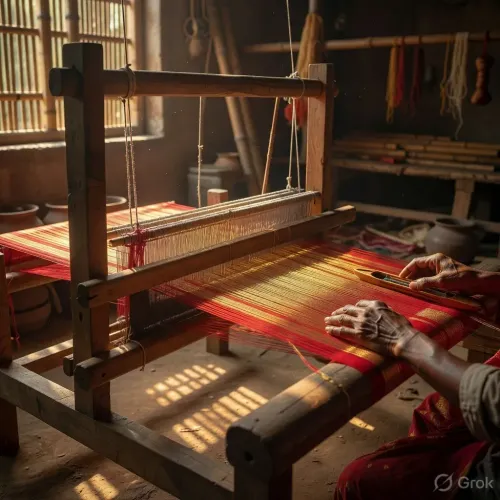
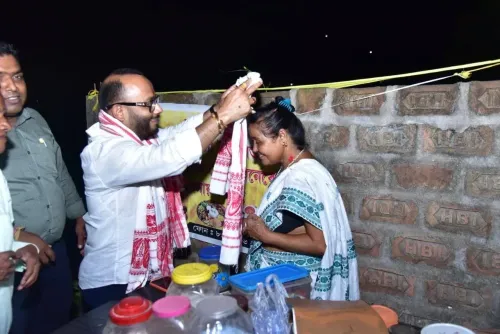
One loom. One woman. And then, gradually, a whole community. Assam Chief Minister Himanta Biswa Sarma on Monday, November 2, 2026, shared how a handloom micro-venture in Darrang district — backed by the state's flagship Mukhya Mantri Udyamita Abhiyan (MMUA) — has grown from a single livelihood into a ladder that other women in the area are now climbing too.
A single loom becomes a cluster in Darrang
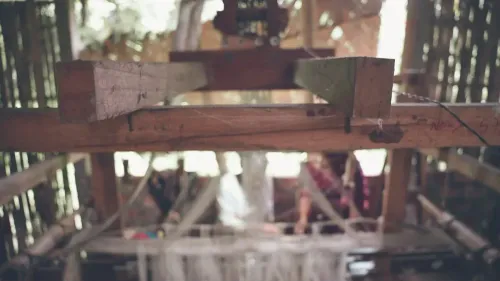
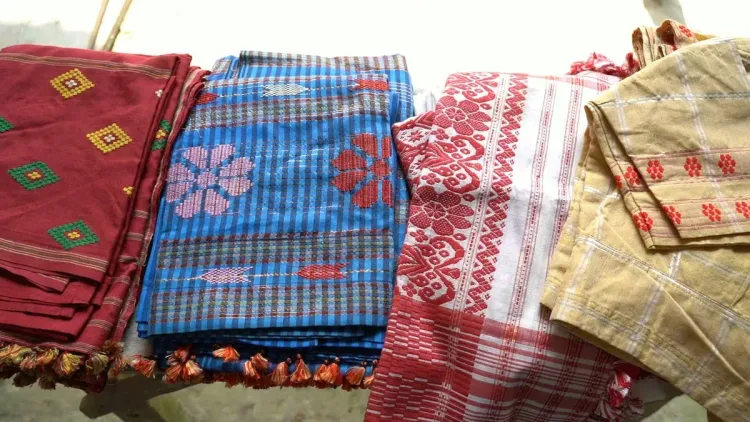
Darrang, a district in central Assam, carries a longstanding tradition of handloom weaving concentrated in rural households. What MMUA appears to have done here is convert that tradition into a structured economic opportunity. A woman who started weaving with support from the scheme has since drawn other women into the fold — the classic multiplier logic of community-based enterprise: one anchor entrepreneur, several follow-on livelihoods.
CM Sarma framed it simply: 'One loom, a livelihood of her own, and a community growing together.' That framing is deliberate. The state has been keen to demonstrate that its enterprise missions are not one-off cash transfers but catalysts for self-sustaining clusters.
What MMUA is and why Darrang fits it
Launched in 2023, the Mukhya Mantri Udyamita Abhiyan set an ambitious target: create one lakh new entrepreneurs across Assam through credit linkage, skill support, and institutional handholding. Women and youth were placed at the centre of the mission from the outset. Handloom — low in capital requirement, high in cultural resonance, deeply embedded in Assamese household economies — is precisely the kind of sector MMUA was designed to scale.
Assam has been systematically pushing handloom revival since 2016, positioning traditional crafts not as heritage artefacts but as live income streams. MMUA is the latest, most structured expression of that decade-long policy direction.
Women empowering women — the state's preferred narrative
Sarma closed his post with a pointed phrase: 'That's the power of women empowering women.' It is more than a slogan. Across North-Eastern states, policymakers have found that women-anchored micro-enterprises tend to generate denser community networks than individual male-led ventures — partly because domestic production models allow other women to join without relocating, and partly because trust networks within villages move faster when the anchor entrepreneur is a peer.
The Darrang handloom story, as presented, is a textbook illustration of that pattern: credit and skill access to one woman ripples outward into collective economic participation. Whether the cluster sustains and grows will depend on market linkages and continued institutional support — the variables that district-level MMUA progress reports will need to track.
Point of View
Relatable woman-to-community arc, the BJP government in Assam reinforces its 'women-first welfare' brand ahead of any potential scrutiny of overall disbursement and enterprise survival data. The handloom sector also carries strong cultural symbolism in Assam, making it a politically resonant vehicle for this messaging. The harder question — whether MMUA clusters are building durable market linkages or simply generating initial registrations — will define the scheme's lasting policy legacy.
NationPress
2 Nov 2026
Frequently Asked Questions
What is MMUA in Assam?
MMUA stands for Mukhya Mantri Udyamita Abhiyan, an Assam government flagship scheme launched in 2023 to create one lakh new entrepreneurs through credit linkage, skill support, and enterprise handholding, with a strong focus on women and youth.
What handloom scheme is being run for women in Darrang, Assam?
The Mukhya Mantri Udyamita Abhiyan (MMUA) is supporting handloom micro-enterprises in Darrang, a central Assam district with a longstanding weaving tradition, helping individual women weavers expand into community livelihood clusters.
What did Himanta Biswa Sarma say about women empowerment in Assam?
On November 2, 2026, CM Himanta Biswa Sarma highlighted a Darrang handloom venture supported by MMUA, saying 'That's the power of women empowering women' as a single beneficiary's enterprise grew into an opportunity for other women in the community.
How is Assam reviving its handloom sector?
Assam has been pursuing targeted handloom revival since 2016 through credit schemes and enterprise missions like MMUA, positioning traditional weaving crafts as scalable income streams particularly for rural women.
What is the MMUA target for Assam entrepreneurs?
MMUA aims to create one lakh (100,000) new entrepreneurs in Assam through credit linkage and skill development, with women and youth identified as the primary beneficiary groups.