Giriraj Singh: 11 Crore Kisan IDs Built 5 Months Early

Synopsis
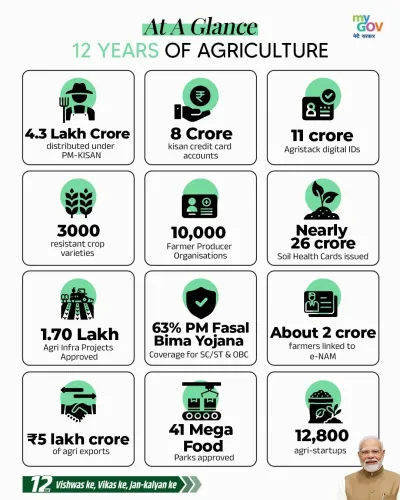
Union Textiles Minister Giriraj Singh announced that more than 11 crore Kisan IDs have been created under India's Digital Agriculture Mission — five months ahead of schedule — with over 6 crore farmers already benefiting from crop insurance, Kisan Credit Card, and allied schemes through the digital identity.
Key Takeaways
11 crore-plus Kisan IDs created under the Digital Agriculture Mission, surpassing the target five months ahead of schedule .
Over 6 crore farmers are already receiving benefits from Pradhan Mantri Fasal Bima Yojana , Kisan Credit Card , and other schemes via their Kisan ID.
The Kisan ID is built on the AgriStack framework , first conceptualised in the 2021-22 Union Budget , linking land records, Aadhaar, and scheme eligibility.
Early completion mirrors the pace seen in Ayushman Bharat Health ID and Udyam MSME registration drives.
Next phase is expected to integrate soil-health data and marketplace linkages; the rabi 2026-27 season will be the first operational test of the system at scale.
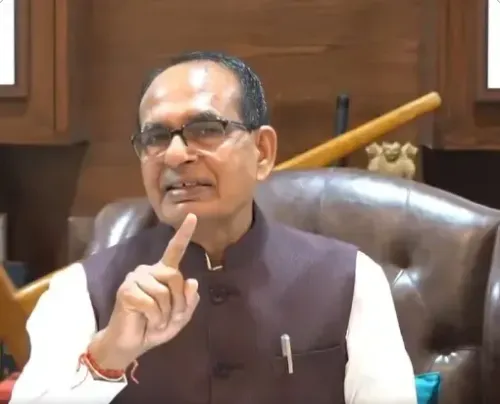
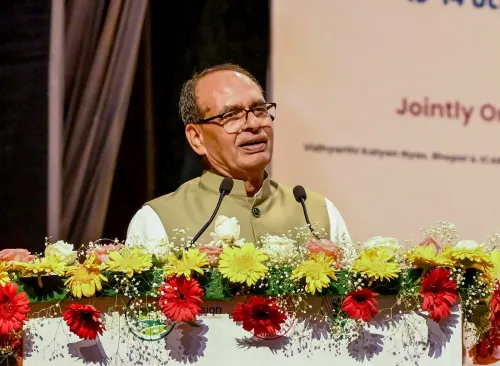
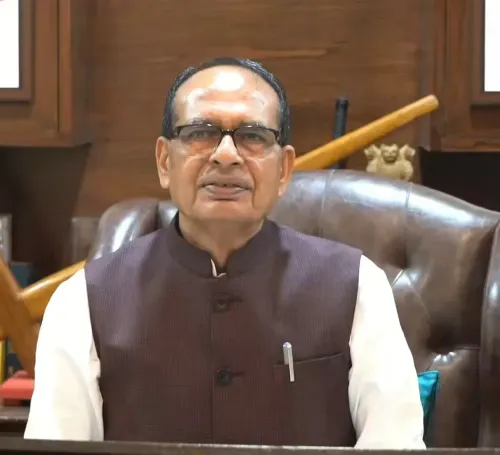
Five months ahead of schedule and counting — Union Textiles Minister Giriraj Singh announced on Monday, November 2, 2026, that India's Digital Agriculture Mission has crossed a landmark no one expected this soon: more than 11 crore Kisan IDs created, with over 6 crore farmers already receiving direct benefits from crop insurance, credit cards, and allied schemes through this single digital identity.
What the Kisan ID actually unlocks for farmers
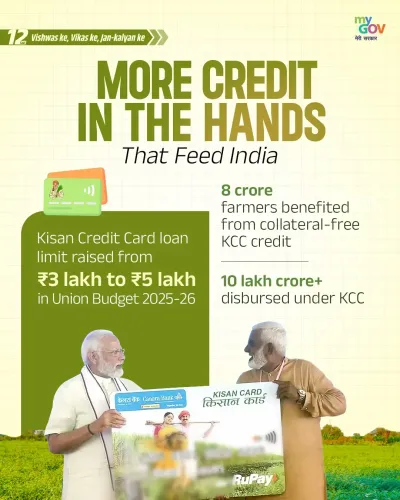
The Kisan ID is not just a number on a database. Built on the AgriStack framework — first conceptualised in the 2021-22 Union Budget — it is a unique digital identity that seeds a farmer's land records, Aadhaar linkage, and scheme eligibility into one unified profile. Think of it as a welfare passport: once a farmer is registered, enrolment in Pradhan Mantri Fasal Bima Yojana (crop insurance) or disbursement through the Kisan Credit Card (KCC) scheme no longer requires repeated paperwork at multiple counters.
The minister's post in Hindi described the milestone as 'taqnīkī krānti kā nayā svarṇim adhyāy' — 'a new golden chapter in the technological revolution' for the country. The framing is deliberate: this is positioned not as an administrative update but as the inflection point at which digital infrastructure visibly reaches the farm gate.
Why finishing five months early matters
India's welfare delivery machinery has a well-documented history of last-mile delays. The headline here is the pace. Completing 11 crore-plus registrations ahead of the original timeline mirrors the front-loaded digitisation seen in two earlier parallel drives: the Ayushman Bharat Health ID rollout and Udyam MSME registration, both of which beat their initial targets by frontloading state-level data capture campaigns.
For agriculture, the stakes are higher. India has roughly 140-150 million farm households, and historically, scheme leakages — duplicate beneficiaries, ghost farmers, middlemen skimming subsidies — have eroded the actual value reaching cultivators. A verified, Aadhaar-seeded Kisan ID directly attacks that problem. The Digital India infrastructure laid in 2015, particularly Direct Benefit Transfer rails, now has agriculture-specific plumbing running on top of it.
The next frontier: soil health, land records, and rabi season
The milestone announced today is, in policy terms, the foundation layer. State agriculture departments still need to onboard their land-record databases fully, and the next phase of the Digital Agriculture Mission is expected to integrate soil-health cards and potentially marketplace linkages — giving farmers real-time access to input suppliers and mandis through the same digital identity.
The rabi sowing season, which begins in earnest in November, is the first large-scale test of whether the 6 crore beneficiaries already connected through Kisan IDs receive faster KCC credit disbursements and smoother insurance enrolments than in previous cycles. That operational result — not the registration number — will be the real scorecard.
A decade of building digital public infrastructure — from Aadhaar to UPI to DBT — has all been pointed toward a moment when a marginal farmer in Bihar or Vidarbha can access state support without a broker, without a queue, and without a form filled in triplicate. Eleven crore IDs, five months early, suggest that moment is closer than the calendar suggested.
Point of View
Giving the government a near-term, visible proof point if KCC disbursements actually accelerate. The deeper policy question is whether state governments — which control land records and the final-mile data — will keep pace with the Centre's digitisation push, or whether the registry risks becoming a central asset with uneven state-level utility.
NationPress
2 Nov 2026
Frequently Asked Questions
What is the Kisan ID and how does it help farmers?
The Kisan ID is a unique digital identity for farmers created under the AgriStack framework. It links a farmer's Aadhaar, land records, and scheme eligibility in one profile, enabling faster access to crop insurance under PMFBY, Kisan Credit Card loans, and other government welfare schemes without repeated paperwork.
How many Kisan IDs have been created so far in 2026?
According to Union Minister Giriraj Singh's post on November 2, 2026, more than 11 crore Kisan IDs have been created, completed five months ahead of the originally set deadline.
What is the Digital Agriculture Mission?
The Digital Agriculture Mission is a Central government initiative to build digital public infrastructure for agriculture in India. It includes farmer registries, data integration across schemes, and tools for data-driven service delivery, and was conceptualised in the 2021-22 Union Budget.
How is the Kisan ID connected to the Kisan Credit Card scheme?
With a verified Kisan ID, a farmer's eligibility and land records are already digitally confirmed, allowing banks to process Kisan Credit Card applications and disburse short-term crop loans faster, reducing the documentation burden that previously caused significant delays.