Vaishnaw Hails Padma Awards as Symbol of National Pride
Synopsis
Union Minister Ashwini Vaishnaw on 23 June 2026 hailed India's Padma Awards as a proud national moment, saying the honours celebrate exceptional dedication and inspire generations to serve the nation. The awards, instituted in 1954, are India's highest civilian recognition across arts, science, public affairs and social work.
Key Takeaways
Union Minister Ashwini Vaishnaw praised the Padma Awards on 23 June 2026 , calling them 'a proud moment for the nation.' The Padma Awards were instituted on 2 January 1954 as India's highest civilian honours, replacing British-era titles.
Awards are conferred in three categories: Padma Vibhushan , Padma Bhushan , and Padma Shri .
Recipients are announced annually around 25 January and presented at Rashtrapati Bhavan by the President of India .
The honours recognise achievement across arts, science, public affairs, literature, and social work, irrespective of political affiliation.
Union Minister Ashwini Vaishnaw on Tuesday, 23 June 2026 paid tribute to the Padma Awards, calling them a celebration of 'lives of exceptional dedication, service and excellence' that embody the spirit of India and inspire generations to contribute towards nation-building.
Context
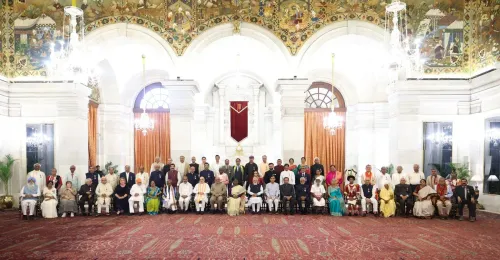
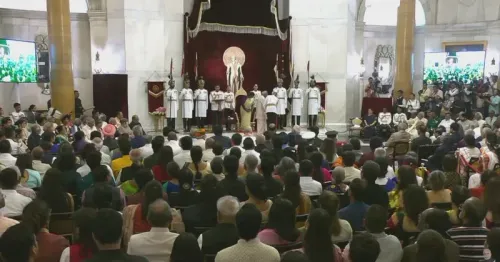
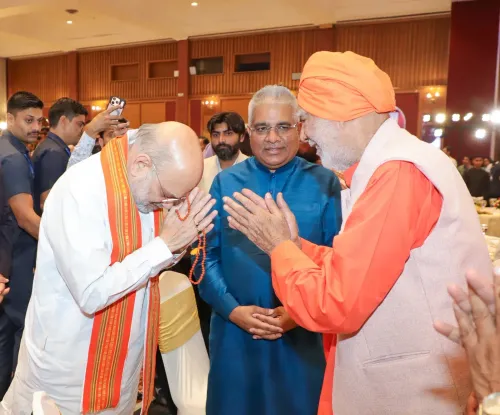
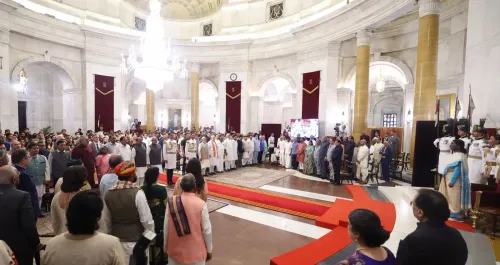
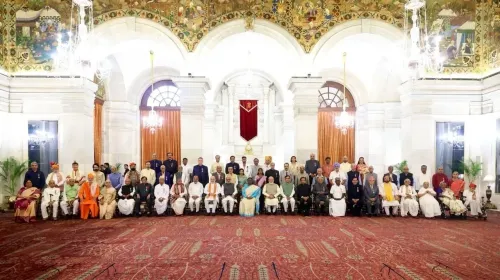
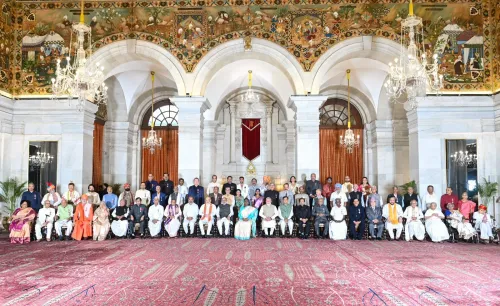
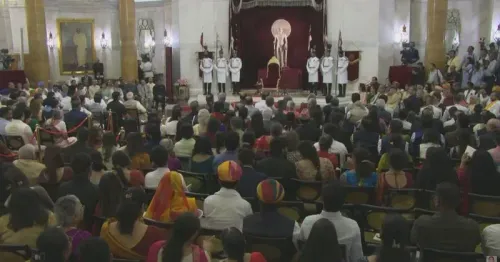
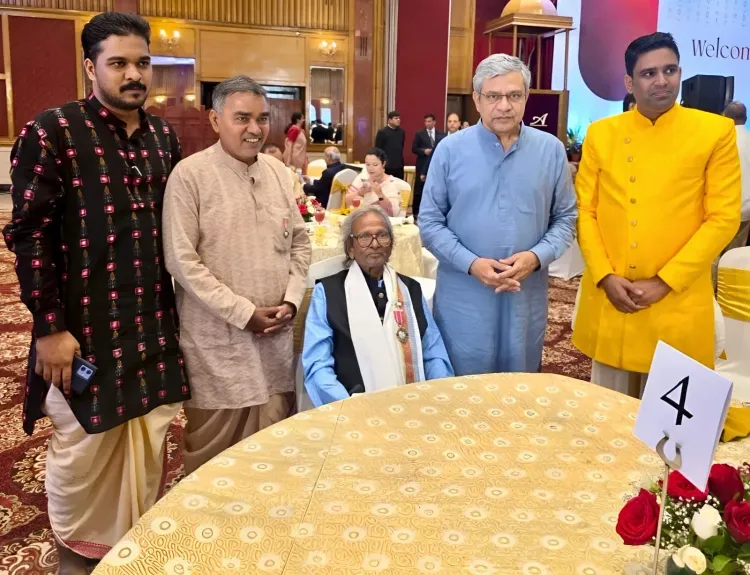
The minister's post praised India's highest civilian honours, stating they 'inspire generations to contribute towards nation-building.' The remarks were accompanied by three images, underscoring the ceremonial significance of the occasion. Vaishnaw described the moment as 'a proud moment for the nation.'
The Padma Awards are conferred in three categories — Padma Vibhushan, Padma Bhushan, and Padma Shri — recognising distinguished service across fields including arts, science, public affairs, literature, and social work.
Policy Backdrop
India's Padma Awards were instituted on 2 January 1954, replacing British-era titular honours with a homegrown system of civilian recognition. The awards are announced each year on the eve of Republic Day, typically around 25 January, and are formally conferred at a ceremony at Rashtrapati Bhavan by the President of India.
Recipients are selected on the recommendation of the Prime Minister's Office and a specially constituted committee, with the constitutional authority for approval vested in the President. Successive governments have maintained and periodically expanded the awards, including introducing recognition for unsung contributors from rural and grassroots backgrounds.
Stakeholders and Impact
The awards span a wide cross-section of Indian civil society — from scientists and artists to social workers and public figures — making them a broad-based instrument of national recognition rather than a narrowly political one. Ministerial acknowledgement of the honours on social media reflects a standard practice of amplifying the values of service and excellence that the awards are designed to celebrate.
For recipients and their communities, the public recognition by senior government figures adds to the visibility of the awards and reinforces their cultural weight. The Padma Awards have, over decades, become a consistent post-independence mechanism to honour achievement irrespective of political affiliation.
What's Next
The next cycle of Padma Awards is expected to be announced around 25 January 2027, on the eve of Republic Day, as per the established annual calendar. The formal presentation ceremony at Rashtrapati Bhavan typically follows in the months after the announcement, drawing awardees from across the country to the capital. Civil society and public institutions continue to submit nominations through the government's online portal ahead of each cycle.
Point of View
The Padma Awards have been deployed as soft-power instruments to define whose contributions are deemed central to the national story. The minister's framing — 'embody the spirit of India' — reflects a broader effort to align institutional honours with a narrative of grassroots, non-elite excellence.
NationPress
22 Sept 2026
Frequently Asked Questions
What are the Padma Awards in India?
The Padma Awards are India's highest civilian honours, instituted on 2 January 1954. They are given in three categories — Padma Vibhushan, Padma Bhushan, and Padma Shri — for distinguished service in fields such as arts, science, public affairs, and social work.
Who presents the Padma Awards?
The Padma Awards are presented by the President of India at a formal ceremony held at Rashtrapati Bhavan, typically a few months after the Republic Day announcement.
When are Padma Awards announced every year?
Padma Awards are announced annually on the eve of Republic Day, around 25 January, and the formal presentation ceremony follows later in the year at Rashtrapati Bhavan.
What did Ashwini Vaishnaw say about the Padma Awards?
Union Minister Ashwini Vaishnaw called the Padma Awards 'a proud moment for the nation,' saying they celebrate 'lives of exceptional dedication, service and excellence' and inspire generations to contribute towards nation-building.
How are Padma Award recipients selected?
Recipients are chosen on the recommendation of the Prime Minister's Office and a specially constituted committee, with final approval granted by the President of India. Nominations can be submitted by the public through an official government portal.