Sonowal hails Padma Awards as symbol of Jan Bhagidari
Synopsis
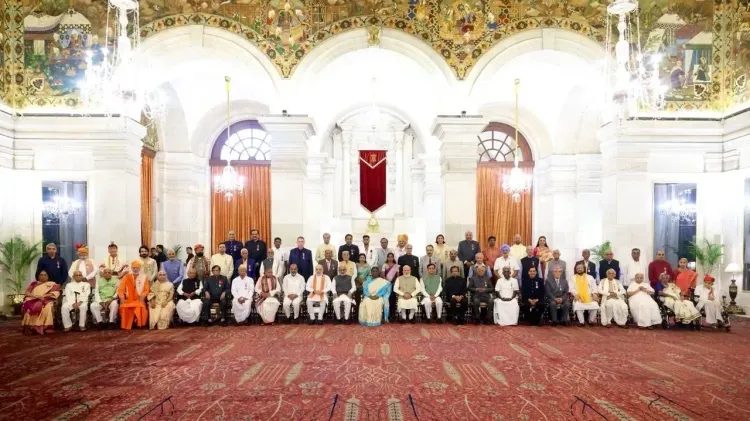
Union Minister Sarbananda Sonowal congratulated Padma Award recipients on 25 May 2026, invoking PM Modi's Jan Bhagidari vision and calling the honours a celebration of unsung grassroots heroes who selflessly drive national transformation.
Key Takeaways
Union Minister Sarbananda Sonowal posted congratulations to all Padma Awardees on 25 May 2026 .
He framed the awards under the #PeoplesPadma label, linking them to PM Modi 's Jan Bhagidari philosophy of citizen-led governance.
The Padma Awards were instituted in 1954 and are conferred annually on Republic Day across three tiers: Padma Vibhushan, Padma Bhushan, and Padma Shri.
Since 2014 , the selection process has emphasised recognising individuals from grassroots and underrepresented backgrounds via a public nomination portal.
Sonowal described awardees as 'unsung heroes' and 'an enduring inspiration to the nation.' The next Padma Award cycle is expected to be announced on Republic Day 2027 .
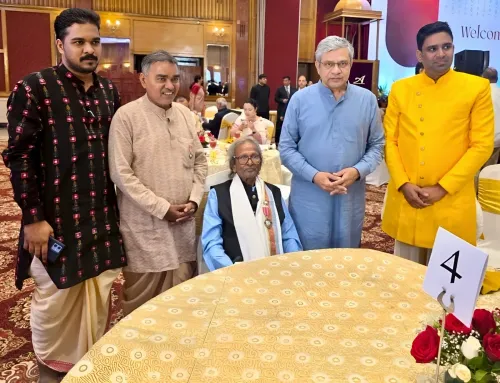
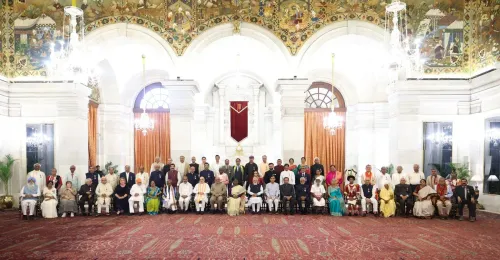
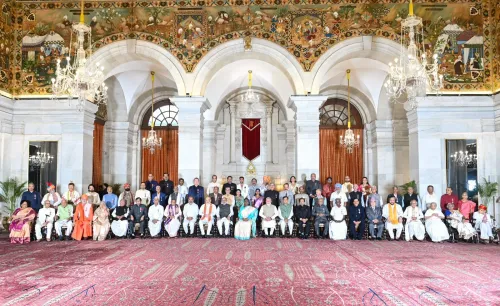
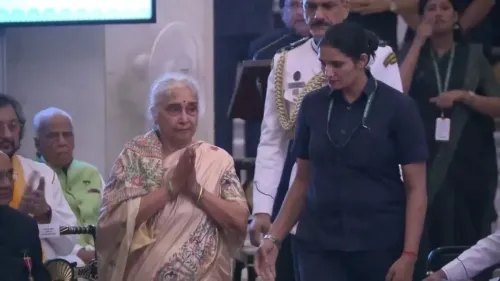
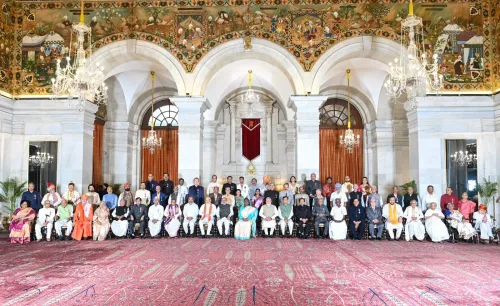
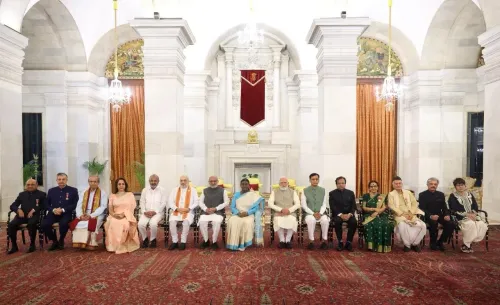
Union Ports and Shipping Minister Sarbananda Sonowal on Monday, 25 May 2026 congratulated the recipients of the Padma Awards, describing the honours as a reflection of Prime Minister Narendra Modi's vision for people-led change and a celebration of grassroots contributors who drive transformation without seeking recognition.
Context
Sonowal invoked the hashtag #PeoplesPadma — framing the awards as emblematic of the Jan Bhagidari (citizen participation) philosophy that has become a recurring theme in the current government's communications. His post described the awardees as 'unsung heroes who selflessly drive transformation at the grassroots,' positioning the civilian honours as a bottom-up recognition rather than an elite distinction.
The minister extended 'heartiest congratulations' to all Padma Awardees, calling them 'an enduring inspiration to the nation.'
Policy Backdrop
The Padma Awards are India's highest civilian honours, instituted in 1954, and are conferred annually on Republic Day across three tiers: Padma Vibhushan, Padma Bhushan, and Padma Shri. They recognise distinguished service across fields including arts, science, public affairs, social work, and sports.
Since 2014, the selection process has placed a stated emphasis on identifying individuals from grassroots and underrepresented backgrounds, with the government opening nominations to the public through an online portal. This shift was explicitly framed as an effort to move the honours away from a perception of favouring established institutions or urban elites.
The Jan Bhagidari framework — citizen participation in governance and national development — has been a consistent rhetorical and policy pillar of the Modi government, surfacing in programmes ranging from the Swachh Bharat Mission to participatory budgeting exercises at the local level.
Stakeholders and Impact
The primary beneficiaries highlighted in Sonowal's framing are grassroots workers: rural innovators, social workers, folk artists, and community leaders who might otherwise go unrecognised by mainstream institutional channels. By linking the #PeoplesPadma label to PM Modi's vision, the minister reinforces a government narrative that the awards process has been democratised under the current dispensation.
Senior BJP leaders routinely amplify Padma Award announcements on social media, using them to highlight the party's outreach to diverse communities and regions. Sonowal, as a former Chief Minister of Assam and a prominent face of the party in the Northeast, lends particular weight to messaging around recognition of contributors from peripheral and underserved areas.
What's Next
Attention will now turn to the Republic Day 2027 award cycle, when the next cohort of Padma honourees is expected to be announced. Any modifications to the nomination or selection guidelines — including changes to the public nomination portal or the composition of the selection committee — will be closely watched as indicators of whether the grassroots emphasis is deepened further. The government's continued use of the #PeoplesPadma framing suggests the civilian honours will remain a visible plank of its broader Jan Bhagidari communications strategy.
Point of View
Tying a long-standing state institution to the Modi government's Jan Bhagidari brand. By amplifying the #PeoplesPadma framing, senior ministers collectively reinforce the message that civilian recognition has shifted from elite circles to the margins — a politically useful contrast with the pre-2014 era. For a leader with Sonowal's Northeast profile, the messaging also signals continued outreach to communities in Assam and neighbouring states who have historically felt overlooked by national honours. The consistency of this communication pattern across the BJP's ministerial bench suggests a coordinated effort to embed the Padma Awards permanently within the party's grassroots-governance identity.
NationPress
14 Oct 2026
Frequently Asked Questions
What are the Padma Awards in India?
The Padma Awards are India's highest civilian honours, instituted in 1954 and announced annually on Republic Day. They are given in three categories — Padma Vibhushan, Padma Bhushan, and Padma Shri — for distinguished service in fields such as arts, science, social work, sports, and public affairs.
What is Jan Bhagidari and why is it linked to the Padma Awards?
Jan Bhagidari means citizen participation in governance and is a key policy theme of the Modi government. Since 2014, the Padma Awards nomination process has been opened to the public, allowing ordinary citizens to nominate unsung contributors — a change the government frames as an expression of Jan Bhagidari.
Who is Sarbananda Sonowal?
Sarbananda Sonowal is the Union Minister of Ports, Shipping and Waterways, a senior BJP leader, and a former Chief Minister of Assam. He is one of the party's prominent faces in India's Northeast.
What is the #PeoplesPadma hashtag about?
#PeoplesPadma is a hashtag used by government ministers and BJP leaders to emphasise that the Padma Awards now recognise grassroots and underrepresented individuals rather than primarily establishment figures, reflecting the government's stated push for more inclusive civilian honours.
When will the next Padma Awards be announced?
The next cycle of Padma Awards is expected to be announced on Republic Day 2027, following the established annual tradition of declaring honourees on 26 January each year.