Justice Varma cash row: Inquiry panel finds all 3 charges proved
Synopsis
A statutory inquiry panel has found all three charges proved against former Delhi High Court judge Justice Yashwant Varma — unexplained cash, evidence disturbance, and an evasive defence — after burnt ₹500 notes were discovered at his official residence. Though his resignation has made removal proceedings infructuous, the report creates an unprecedented parliamentary record of judicial misconduct findings.
Key Takeaways
A three-member Judges Inquiry Committee found all three charges against Justice Yashwant Varma proved, as per its report tabled in Parliament on 12 August 2025 .
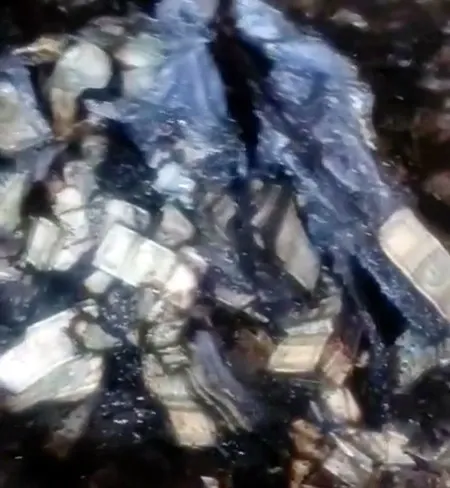
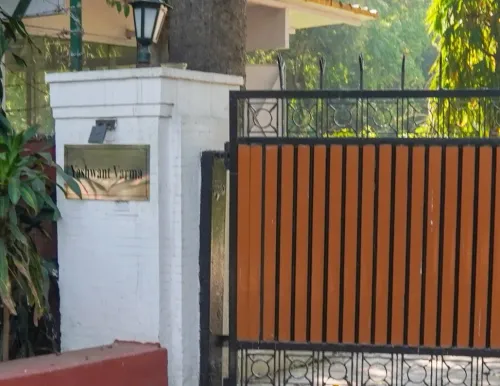
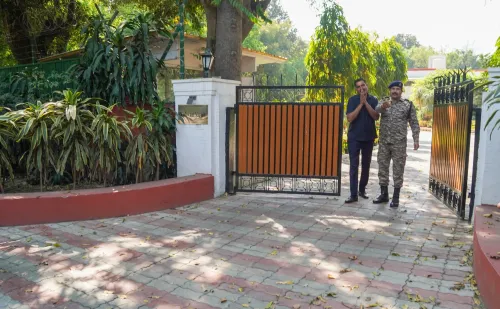
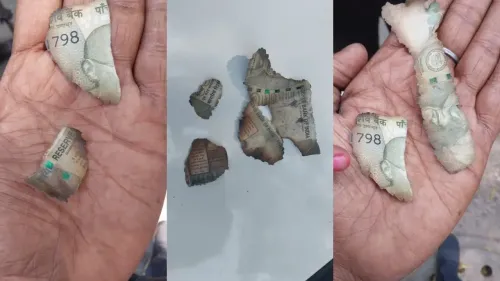
Burnt ₹500 currency notes were found in a storeroom at his official residence at 30, Tughlaq Crescent, New Delhi , after a fire on 14–15 March 2025 .
The committee found that material evidence was disturbed before the storeroom could be lawfully sealed, and drew an adverse inference from the absence of any FIR alleging planting of cash.
Justice Varma's explanations were described as evasive and unsatisfactory ; his staff were not produced as defence witnesses.
More than 200 MPs had signed a removal motion in July 2025 ; Varma has since resigned, but his resignation has reportedly not yet been formally notified by the Law Ministry .
An earlier in-house inquiry by then Chief Justice Sanjiv Khanna had found Varma had 'active or tacit control' over the storeroom.
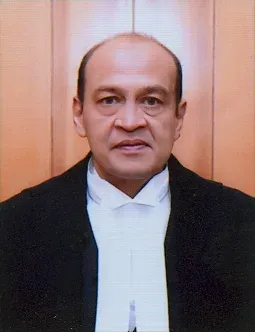
A three-member inquiry committee constituted by Lok Sabha Speaker Om Birla has found all three charges against former Delhi High Court judge Justice Yashwant Varma proved, in connection with the discovery of unexplained cash at his official residence at 30, Tughlaq Crescent, New Delhi. The committee's report was tabled in both Houses of Parliament on Wednesday, 12 August 2025, marking a decisive conclusion to one of the most consequential judicial misconduct inquiries in recent Indian history.
What the Committee Found
The panel, constituted under the Judges (Inquiry) Act, examined allegations arising from the discovery of large quantities of burnt ₹500 currency notes in a storeroom at Justice Varma's official residence. The cash was reportedly found after a fire broke out on the intervening night of 14 and 15 March 2025, when Varma was serving as a sitting judge of the Delhi High Court.
In its consolidated findings, the committee said the three charges — concerning unexplained cash, disturbance of evidence, and the adequacy of Justice Varma's explanations — had all been established. It concluded that he had failed to provide a satisfactory account of the presence, ownership, or source of the money recovered from the storeroom.
Evidence Tampering and Adverse Inferences
The panel raised serious concerns about what occurred at the residence after the fire. According to the report, material evidence was not adequately secured or preserved, and the condition of the storeroom was disturbed before it could be lawfully sealed and inspected. The committee drew an adverse inference from the absence of any FIR or formal complaint alleging that the cash had been planted — a theory Justice Varma himself advanced — noting that no supporting evidence was produced to substantiate it.
A particularly significant element of the inquiry was the committee's examination of Justice Varma's interaction with members of his household staff at around 2 a.m. following the fire. The report found he did not adequately disclose what was discussed or what instructions, if any, were issued. Crucially, the relevant staff members were not produced as defence witnesses to explain the communication.
Justice Varma's Defence Rejected
The committee described Justice Varma's explanations as evasive and unsatisfactory when tested against statements from independent official witnesses and other corroborative material. It said his response did not demonstrate the candour, transparency, and institutional responsibility expected of a judge of a constitutional court. Among the theories he advanced — including the possibility of a conspiracy or that the cash had been planted — none were supported by evidence placed before the panel.
Background: Earlier Inquiry and Parliamentary Motion
The latest findings build on an earlier in-house inquiry ordered by then Chief Justice of India Sanjiv Khanna, which had concluded that Justice Varma had 'active or tacit control' over the storeroom where the cash was found. Following that inquiry, Varma was repatriated to his parent court, the Allahabad High Court, amid the escalating controversy.
In July 2025, more than 200 Members of Parliament signed a motion seeking his removal, prompting Speaker Birla to constitute the three-member Judges Inquiry Committee. The committee submitted its findings to the Speaker in May 2025. The report has now been formally presented before Parliament in two volumes containing oral and documentary evidence collected during the investigation.
Resignation and What Happens Next
Justice Varma has since resigned, rendering the parliamentary removal proceedings effectively infructuous. However, his resignation has reportedly not yet been formally notified by the Law Ministry. Despite this, the report carries lasting institutional weight — it places on record, after a statutory inquiry, the committee's finding that all three charges were proved, creating a formal parliamentary record of the panel's conclusions on the unexplained cash, the handling of evidence, and Justice Varma's conduct throughout the process.
Point of View
But it also allows him to exit without a formal parliamentary verdict — a loophole that critics of the current impeachment process have long flagged. The Law Ministry's reported delay in notifying the resignation only deepens the opacity. The report's value now lies not in consequence but in precedent: it is the first statutory inquiry in recent memory to formally record, before Parliament, that a sitting judge's conduct fell below constitutional standards.
NationPress
26 Sept 2026
Frequently Asked Questions
What did the inquiry committee conclude about Justice Yashwant Varma?
The three-member Judges Inquiry Committee found all three charges against Justice Yashwant Varma proved — unexplained cash, disturbance of evidence, and an evasive and unsatisfactory defence. It concluded he failed to account for the presence, ownership, or source of burnt ₹500 notes found in a storeroom at his official New Delhi residence.
When and where was the cash discovered at Justice Varma's residence?
Large quantities of burnt ₹500 currency notes were reportedly discovered in a storeroom at Justice Varma's official residence at 30, Tughlaq Crescent, New Delhi, after a fire broke out on the intervening night of 14 and 15 March 2025. Varma was a sitting judge of the Delhi High Court at the time.
What happens now that Justice Varma has resigned?
Justice Varma's resignation has made the parliamentary removal proceedings effectively infructuous, as there is no longer a sitting judge to remove. However, his resignation has reportedly not yet been formally notified by the Law Ministry. The inquiry report still stands as a formal parliamentary record of the committee's findings.
What was the earlier in-house inquiry finding against Justice Varma?
An earlier in-house inquiry ordered by then Chief Justice of India Sanjiv Khanna concluded that Justice Varma had 'active or tacit control' over the storeroom where the cash was found. Following that finding, Varma was repatriated to his parent court, the Allahabad High Court.
Why did Parliament get involved in the Justice Varma case?
In July 2025, more than 200 Members of Parliament signed a motion seeking Justice Varma's removal, prompting Lok Sabha Speaker Om Birla to constitute the three-member Judges Inquiry Committee under the Judges (Inquiry) Act. The committee submitted its findings in May 2025, and the report was tabled in both Houses of Parliament on 12 August 2025.