Varuna Elevated Corridor: ₹10,998 crore project to halve Varanasi travel times
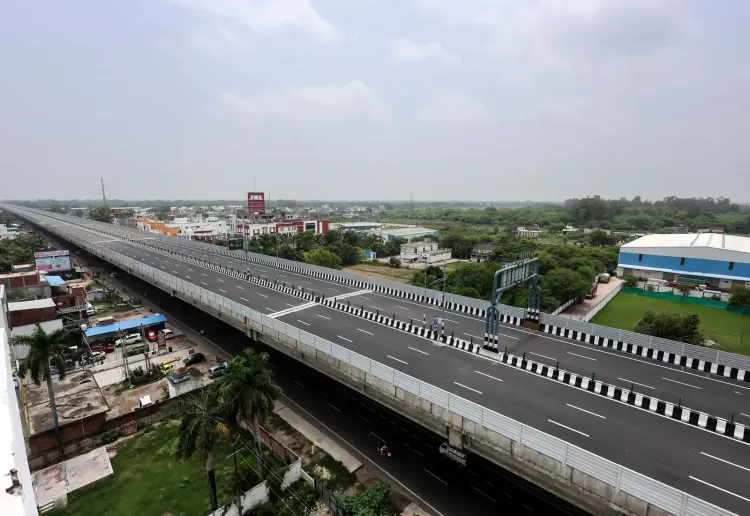
Synopsis
A ₹10,998 crore elevated corridor in Varanasi — India's most sacred pilgrim city — will compress a 40-minute commute into 20 minutes, link five major transport hubs, and serve as the backbone of the Varanasi Decongestion Plan. For a city that receives millions of pilgrims annually and sits at the heart of eastern UP's logistics network, this is infrastructure with an outsized multiplier effect.
Key Takeaways
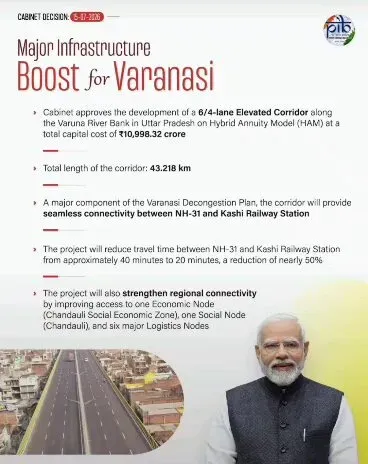
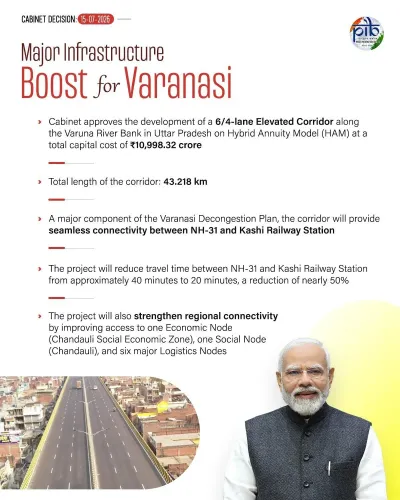
The Varuna Elevated Corridor is a ₹10,998 crore , 43.218-km six/four-lane project in Varanasi , approved by the Union Cabinet in July 2026 .
Travel time between NH-31 and Kashi Railway Station will drop from approximately 40 minutes to around 20 minutes .
Varanasi Junction to Lal Bahadur Shastri International Airport travel time is expected to fall from nearly an hour to around 20 minutes .
The corridor will connect five major transport gateways: Varanasi Airport , Varanasi Cantonment , Varanasi City Railway Station , Kashi Railway Station , and Deen Dayal Upadhyaya Junction .
Civil construction is budgeted at ₹4,565.33 crore ; land acquisition at ₹934.91 crore .
Aligned with PM Gati Shakti National Master Plan , the project will serve six major logistics nodes and the Chandauli Socio-Economic Zone .
The Varuna Elevated Corridor, a ₹10,998 crore, 43.218-km six/four-lane elevated highway project in Varanasi, Uttar Pradesh, will slash travel time between NH-31 and Kashi Railway Station from approximately 40 minutes to around 20 minutes, according to the Ministry of Road Transport and Highways. Approved by the Union Cabinet in July 2026, the corridor is designed for speeds of 80–100 kmph and forms a central pillar of the Varanasi Decongestion Plan.
What the Corridor Covers
The project, being developed by the National Highways Authority of India (NHAI), will link NH-31 with the Varanasi Ring Road, creating a continuous high-capacity spine across the city. The infrastructure package includes a main carriageway, flyovers, loops, ramps, service roads, an iconic cable-stayed bridge, and an extradosed foot-over-bridge-cum-major bridge. Of the total project cost, ₹4,565.33 crore is allocated to civil construction and ₹934.91 crore towards land acquisition.
The elevated alignment will provide a dedicated corridor for through and regional traffic, separating longer-distance movement from local city traffic — a structural design choice intended to relieve chronic bottlenecks at Varanasi Junction, Phulwaria, and Chaukaghat, where local, commercial, and highway traffic currently converge on limited road capacity.
Key Transport Gateways It Will Connect
By linking NH-31 directly to the Varanasi Ring Road, the corridor will significantly improve access to multiple transport hubs: Varanasi Airport (Lal Bahadur Shastri International Airport), Varanasi Cantonment, Varanasi City Railway Station, Kashi Railway Station, and Deen Dayal Upadhyaya Junction. Travel time between Varanasi Junction and Lal Bahadur Shastri International Airport is expected to fall from nearly an hour to around 20 minutes.
The project will also strengthen connectivity to Ramnagar Port and key areas along the Varuna corridor.
Impact on Pilgrimage, Tourism and Education
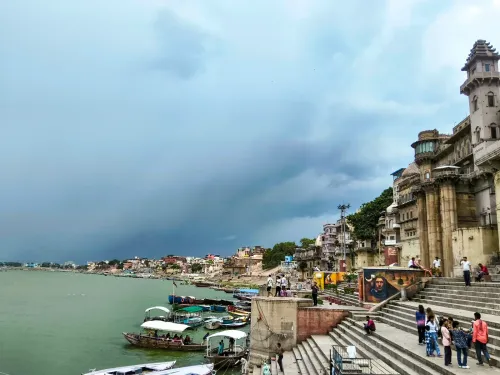
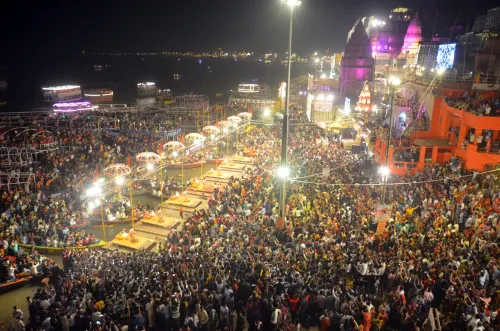
Varanasi is among India's most visited religious cities, drawing millions of pilgrims annually to its ghats and temples. The corridor is expected to ease pressure on urban roads during major festivals and peak pilgrimage periods, when visitor inflows surge sharply. It will also improve access to the Kashi Vishwanath Corridor and Kashi Vishwanath Temple, as well as key educational institutions such as Sampurnanand Sanskrit University.
Notably, this is part of a broader infrastructure push in Varanasi — Prime Minister Narendra Modi's own parliamentary constituency — which has already seen the Kashi Vishwanath Corridor redevelopment and multiple expressway linkages in recent years.
Economic and Logistics Gains for Eastern UP
Aligned with the PM Gati Shakti National Master Plan, the corridor is designed to improve access to the Chandauli Socio-Economic Zone, Chandauli Social Node, and six major logistics nodes. Better integration of national highways, railway infrastructure, and freight movement corridors is expected to facilitate smoother movement of agricultural produce, industrial goods, construction materials, and minerals between Varanasi, Chandauli, and adjoining regions. Officials say the project will support broader economic activity and enhance regional competitiveness across eastern Uttar Pradesh.
What Happens Next
With Union Cabinet approval already secured, the project now moves into implementation phases covering civil construction and land acquisition. The reduced vehicle operating costs, improved freight throughput, and shorter commutes are expected to deliver compounding economic benefits across the region. Execution timelines have not yet been specified in official communications.
Point of View
But Varanasi's congestion problem is as much about uncontrolled urban sprawl and pedestrian-vehicle conflict as it is about road capacity. Elevated corridors typically move through-traffic efficiently while displacing — not eliminating — local congestion at entry and exit ramps. The project's real test will come at chronic pinch points like Varanasi Junction and Chaukaghat, where the last-mile problem remains unsolved. More notably, with Varanasi being PM Modi's constituency, this is the latest in a string of high-visibility capital investments in the city — raising a fair question about whether the Gati Shakti alignment reflects strategic logistics logic or political geography.
NationPress
15 Sept 2026
Frequently Asked Questions
What is the Varuna Elevated Corridor in Varanasi?
The Varuna Elevated Corridor is a ₹10,998 crore, 43.218-km elevated six/four-lane highway project in Varanasi, Uttar Pradesh, being developed by the National Highways Authority of India (NHAI). It will link NH-31 with the Varanasi Ring Road, forming the backbone of the Varanasi Decongestion Plan. Union Cabinet approval was granted in July 2026.
How much will the Varuna Corridor reduce travel time in Varanasi?
The corridor will cut travel time between NH-31 and Kashi Railway Station from approximately 40 minutes to around 20 minutes. It will also reduce the commute between Varanasi Junction and Lal Bahadur Shastri International Airport from nearly an hour to around 20 minutes.
Which transport hubs will the Varuna Elevated Corridor connect?
The corridor will improve access to Varanasi Airport (Lal Bahadur Shastri International Airport), Varanasi Cantonment, Varanasi City Railway Station, Kashi Railway Station, and Deen Dayal Upadhyaya Junction. It will also strengthen connectivity to Ramnagar Port.
How does the project align with PM Gati Shakti?
The Varuna Elevated Corridor is aligned with the PM Gati Shakti National Master Plan, aimed at improving multimodal connectivity. It will serve six major logistics nodes and the Chandauli Socio-Economic Zone, facilitating movement of agricultural produce, industrial goods, and minerals across eastern Uttar Pradesh.
What is the cost breakdown of the Varuna Elevated Corridor?
The total project cost is ₹10,998 crore. Of this, ₹4,565.33 crore is allocated towards civil construction and ₹934.91 crore towards land acquisition. The corridor is designed for speeds of 80–100 kmph and includes a cable-stayed bridge and an extradosed foot-over-bridge.