NAMASTE Day 2025: Virendra Kumar to honour sanitation workers in Kolkata on July 14
Synopsis
For the third consecutive year, the Centre is staging a national observance to put sanitation workers — sewer cleaners, waste pickers, former manual scavengers — at the centre of a policy spotlight. With the Kolkata event anchored by a Union Minister and a state Chief Minister, NAMASTE Day 2025 is the biggest signal yet of how seriously the government is treating mechanised sanitation as both a welfare and a political priority.
Key Takeaways
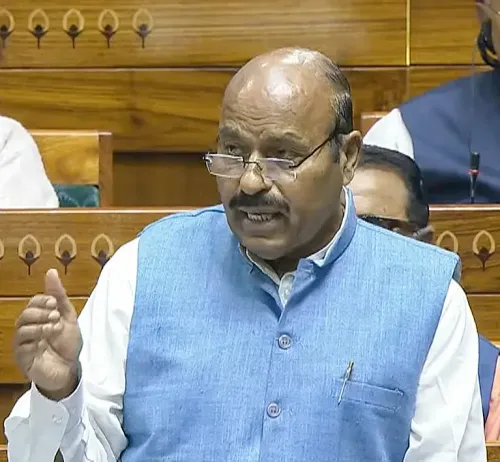
Union Minister Virendra Kumar will lead the 3rd NAMASTE Day event at Rabindra Sadan, Kolkata on 14 July 2025 .
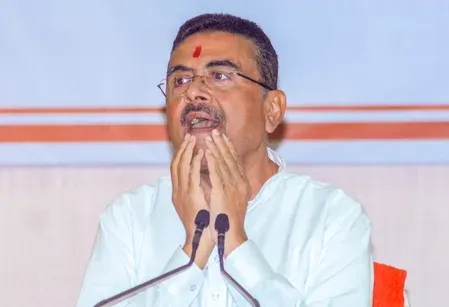
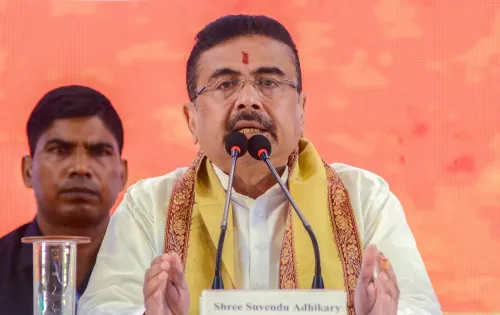
West Bengal Chief Minister Suvendhu Adhikari is reportedly expected to attend.
Parallel programmes will be held across Urban Local Bodies (ULBs) nationwide on the same day.
The NAMASTE Scheme , launched in 2023-24 , targets zero fatalities in sanitation work and full elimination of manual contact with faecal matter.
Activities will include occupational safety training, health check-ups, mechanised equipment demonstrations, and formal recognition of sanitation workers.
The scheme also aims to empower workers through Self-Help Groups , skill development, and entrepreneurship support.
Union Minister for Social Justice and Empowerment Virendra Kumar will preside over a major national event in Kolkata on 14 July to honour sanitation workers and mark the 3rd NAMASTE Day — the National Action for Mechanised Sanitation Ecosystem observance — according to an official statement released on Saturday.
The flagship event, which will also feature the Divya Kala Mela, is scheduled at Rabindra Sadan in Kolkata, West Bengal. Parallel programmes are set to run simultaneously across Urban Local Bodies (ULBs) throughout the country.
Key Attendees and Programme Details
West Bengal Chief Minister Suvendhu Adhikari is reportedly expected to attend the Kolkata event alongside Union Minister Kumar. The gathering will also include Ministers, Members of Parliament, MLAs, senior officials from the Centre and the state government, district administration representatives, and officials from the National Safai Karamcharis Finance and Development Corporation (NSKFDC).
Across ULBs nationwide, activities on NAMASTE Day will focus on sanitation worker welfare — covering occupational safety training, health check-up camps, facilitation of government entitlements, live demonstrations of mechanised sanitation equipment and safety gear, and formal recognition of workers for their contributions to public health.
Who NAMASTE Day Recognises
NAMASTE Day is dedicated to honouring a broad cross-section of sanitation workers — including sewer and septic tank workers, waste pickers, and former manual scavengers — who play a critical but often invisible role in maintaining public health and environmental sanitation. The observance also serves as a platform to raise public awareness of their rights and foster wider societal respect for their work.
About the NAMASTE Scheme
The Department of Social Justice and Empowerment launched the NAMASTE Scheme in 2023-24 with the stated aim of ensuring the dignity, safety, and social security of sanitation workers. The scheme's core targets are ambitious: zero fatalities in sanitation work, complete elimination of direct human contact with faecal matter, and a mandate that all cleaning operations be carried out using safety devices.
Beyond safety, the scheme also seeks to ensure that all sanitation work is performed by skilled workers. It includes provisions for strengthening Emergency Response Sanitation Units (ERSUs) and empowering workers through the formation of Self-Help Groups and entrepreneurship pathways — a recognition that sustainable livelihoods, not just safety gear, are essential to dignity.
Broader Significance
This comes amid a sustained policy push by the Centre to formalise and mechanise sanitation work, moving away from hazardous manual practices that have historically claimed lives and perpetuated social exclusion. The choice of Kolkata — a major urban centre with a significant sanitation workforce — as the national venue for the 3rd NAMASTE Day underscores the event's scale and intent. As the scheme enters its third year, attention will turn to whether its measurable targets — particularly zero fatalities — are being tracked and reported transparently.
Point of View
But the scheme's credibility will ultimately rest on one metric: whether fatalities in sanitation work are actually declining. India has a long history of announcing zero-tolerance policies on manual scavenging — the Prohibition of Manual Scavenging Act dates to 1993, yet deaths in sewers and septic tanks continued for decades. The NAMASTE Scheme's explicit target of zero fatalities is the right goal; what is missing from official communications is a public, auditable dashboard tracking progress. Without that, the annual observance risks becoming a commemoration rather than a reckoning.
NationPress
10 Oct 2026
Frequently Asked Questions
What is NAMASTE Day and why is it observed?
NAMASTE Day — National Action for Mechanised Sanitation Ecosystem Day — is an annual observance dedicated to honouring sanitation workers, including sewer and septic tank workers, waste pickers, and former manual scavengers. It is observed to raise public awareness of their rights, recognise their contributions to public health, and reaffirm the government's commitment to mechanised, hazard-free sanitation practices.
Where and when is the 3rd NAMASTE Day event being held?
The main event for the 3rd NAMASTE Day will be held at Rabindra Sadan in Kolkata, West Bengal, on 14 July 2025. Parallel programmes will simultaneously take place across Urban Local Bodies nationwide.
Who is attending the Kolkata NAMASTE Day event?
Union Minister for Social Justice and Empowerment Virendra Kumar will lead the event. West Bengal Chief Minister Suvendhu Adhikari is reportedly expected to attend, along with Ministers, MPs, MLAs, senior central and state officials, and representatives from the NSKFDC.
What is the NAMASTE Scheme launched in 2023-24?
The NAMASTE Scheme, launched by the Department of Social Justice and Empowerment in 2023-24, aims to ensure the dignity, safety, and social security of sanitation workers. Its key targets include achieving zero fatalities in sanitation work, eliminating direct human contact with faecal matter, and ensuring all sanitation tasks are performed by skilled workers using safety equipment.
What activities are planned for sanitation workers on NAMASTE Day?
Urban Local Bodies across India will organise occupational safety training, health check-up camps, facilitation of government entitlements, demonstrations of mechanised sanitation equipment, and formal recognition ceremonies for sanitation workers. The day also promotes Self-Help Group formation and entrepreneurship opportunities for workers.