Vizhinjam port to launch EXIM operations on 18 August, CM Satheesan to inaugurate
Synopsis
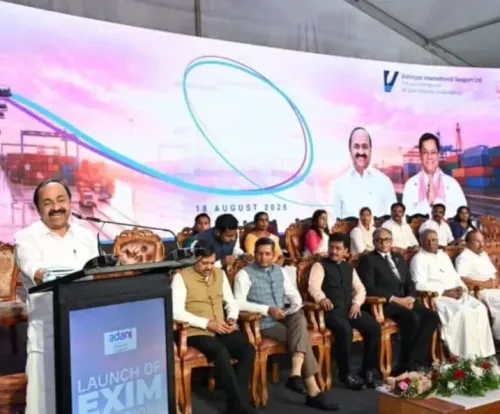
Vizhinjam International Seaport is about to cross a major commercial threshold — on 18 August, it stops being just a transshipment node and starts handling India's own export-import cargo. Kerala CM Satheesan will inaugurate the launch, making him the third Chief Minister to mark a defining milestone at the country's newest deep-water port.
Key Takeaways
Vizhinjam International Seaport will begin gateway EXIM cargo operations from 18 August , expanding beyond its transshipment-only role.
Satheesan will formally inaugurate the launch, becoming the third Chief Minister to preside over a landmark phase of the project.
Initial imports restricted to Direct Port Delivery (DPD) of FCL containers ; importers must clear cargo within 48 hours .
Exports limited to Direct Port Entry (DPE) of factory-stuffed or Customs-sealed FCL containers in the first phase.
LCL cargo and containers needing CFS examination are excluded until a Container Freight Station becomes operational.
All documentation must be filed electronically via the ICEGATE platform under the SCMTR, 2018 framework.
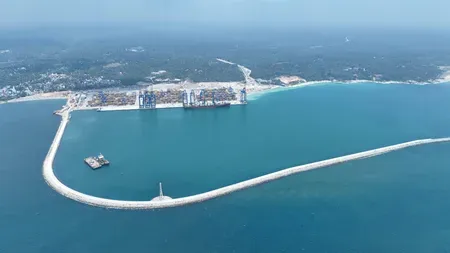
Vizhinjam International Seaport is set to begin full-fledged gateway export-import (EXIM) cargo operations from 18 August, marking a transformative shift for India's newest deep-water port — from an exclusive international transshipment hub to a direct gateway for the country's overseas trade. Kerala Chief Minister V.D. Satheesan will formally inaugurate the launch, adding another defining chapter to the state's most ambitious infrastructure project.
What Changes on 18 August
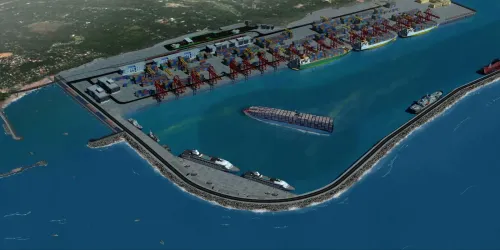
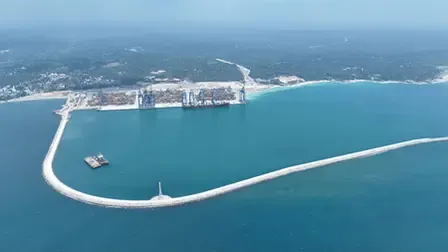
Until now, Vizhinjam has operated solely as an international transshipment hub, handling the transfer of containers between large mother vessels and feeder ships. From 18 August onwards, the port will additionally process India's export and import cargo, opening direct international shipping access for businesses across Kerala and neighbouring regions.
The Commissioner of Customs (Preventive), Kochi, has issued a detailed operational framework governing the commencement of gateway cargo operations, laying down statutory procedures, customs regulations, and protocols for shipping lines, exporters, importers, customs brokers, terminal operators, and logistics service providers.
Phased Rollout: What Is and Isn't Permitted Initially
Since a Container Freight Station (CFS) is yet to become operational at the port, Customs has prescribed a phased approach. On the imports side, operations will initially be restricted to Direct Port Delivery (DPD) of Full Container Load (FCL) containers, with importers required to move cargo directly from the terminal to their premises within 48 hours. Less than Container Load (LCL) cargo and containers requiring de-stuffing or CFS examination will not be permitted in this first phase.
Exports, similarly, will be confined to Direct Port Entry (DPE) of factory-stuffed, self-sealed, or Customs-sealed FCL containers. Loose cargo requiring stuffing or examination within port premises will not be accepted until additional infrastructure is commissioned.
Regulatory and Digital Framework
The notification also permits road transshipment of containerised cargo between Vizhinjam and Inland Container Depots (ICDs), Special Economic Zones (SEZs), Land Customs Stations, and other notified Customs stations under the Sea Cargo Manifest and Transhipment Regulations (SCMTR), 2018. All stakeholders have been directed to complete cargo documentation electronically through the ICEGATE platform.
Customs regulation of EXIM cargo will be undertaken in coordination with Vizhinjam International Seaport Ltd. (VISL), Adani Vizhinjam Port Private Ltd. (AVPPL), the Mercantile Marine Department, Port Health Organisation, Bureau of Immigration, Coastal Police, authorised banks, and other government agencies.
Political and Historical Significance
Chief Minister Satheesan becomes the third Chief Minister to preside over a landmark phase of the Vizhinjam project. Oommen Chandy's government steered the project into implementation, while Pinarayi Vijayan oversaw the port's completion and its commissioning as an international transshipment hub. The EXIM launch under Satheesan now adds the next commercial layer to that legacy.
What This Means for Kerala's Maritime Future
By adding direct import-export handling to its established transshipment business, Vizhinjam takes a decisive step toward becoming a comprehensive maritime logistics hub. The development is expected to substantially strengthen Kerala's position on the global shipping map and offer businesses in the region a competitive alternative to routing cargo through distant major ports. How swiftly the CFS and supporting infrastructure come online will determine how fast the port can scale beyond its initial phased restrictions.
Point of View
But the phased rollout reveals how much infrastructure still needs to catch up with ambition — no CFS, no LCL, and a strict 48-hour clearance window are real constraints for smaller exporters and importers. The port's transshipment volumes have validated its deep-water advantage; whether it can replicate that success in direct trade will depend on how fast VISL and AVPPL commission the missing facilities. Three Chief Ministers, three milestones — but the true test of Vizhinjam's potential as a national maritime hub begins now, not at the inauguration podium.
NationPress
24 Oct 2026
Frequently Asked Questions
What is the significance of Vizhinjam port launching EXIM operations on 18 August?
From 18 August, Vizhinjam International Seaport will handle India's export and import cargo directly, moving beyond its earlier role as an exclusive international transshipment hub. This makes it a gateway port for businesses in Kerala and neighbouring regions to access international shipping without routing through distant major ports.
Who will inaugurate the EXIM operations at Vizhinjam port?
Kerala Chief Minister V.D. Satheesan will formally inaugurate the commencement of gateway EXIM cargo operations at Vizhinjam. He becomes the third Chief Minister to preside over a defining milestone of the project, after Oommen Chandy and Pinarayi Vijayan.
What cargo restrictions apply during the initial phase of EXIM operations?
Initially, imports are limited to Direct Port Delivery (DPD) of Full Container Load (FCL) containers, with a mandatory 48-hour clearance window. LCL cargo and containers needing CFS examination are not permitted. Exports are confined to Direct Port Entry (DPE) of factory-stuffed or Customs-sealed FCL containers; loose cargo requiring stuffing at the port will not be accepted.
Why is the EXIM rollout at Vizhinjam phased rather than full-scale from day one?
The phased rollout is because a Container Freight Station (CFS) at Vizhinjam is not yet operational. Until that facility is commissioned, Customs has restricted operations to FCL containers under DPD and DPE modes to ensure orderly processing without the infrastructure for LCL or CFS-based examination.
How will customs documentation work for EXIM cargo at Vizhinjam?
All cargo documentation must be completed electronically through the ICEGATE platform, in accordance with the Sea Cargo Manifest and Transhipment Regulations (SCMTR), 2018. Coordination will involve VISL, Adani Vizhinjam Port Private Ltd., the Mercantile Marine Department, and multiple government agencies including the Bureau of Immigration and Coastal Police.