Vizhinjam Port launches EXIM ops, Kerala eyes global trade hub status
Synopsis
Vizhinjam International Seaport has crossed a defining threshold — from transhipment node to direct EXIM gateway. With a natural depth of 20–24 metres, proximity to the East-West shipping corridor, and a ₹400 crore Mission Samudra programme targeting a 10x private investment multiplier by 2031, Kerala is making its most credible bet yet on port-led economic transformation.
Key Takeaways
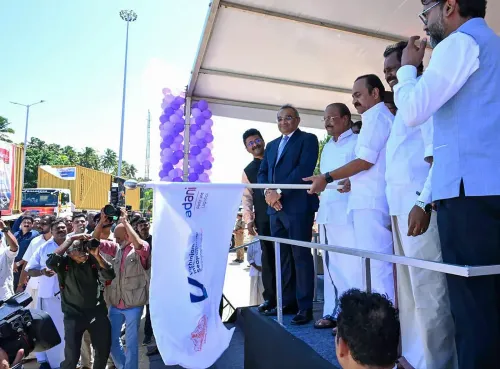
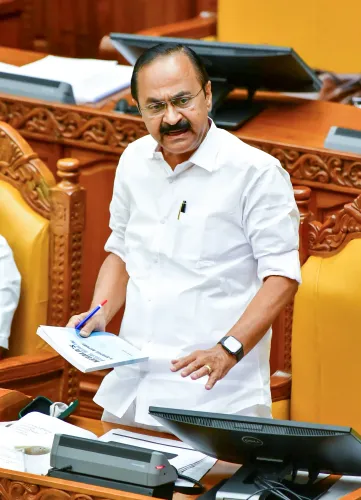
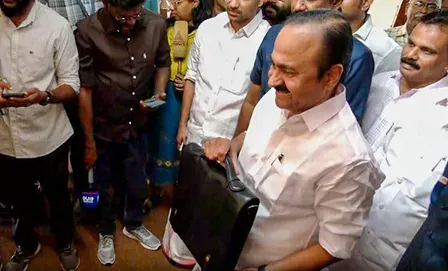
Vizhinjam International Seaport formally launched full-fledged EXIM operations on 17 August , flagged off by Chief Minister V.D.
Satheesan at 10.45 am .
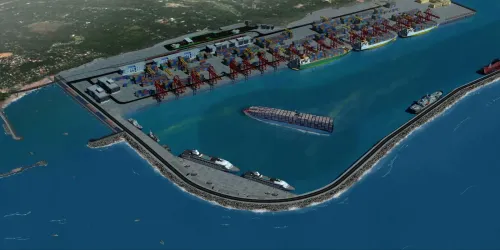
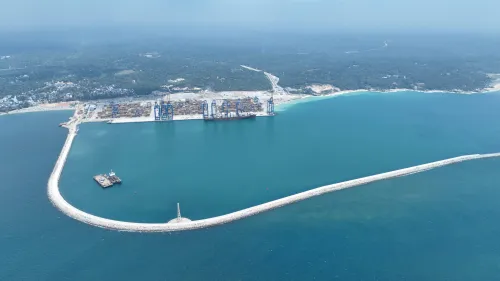
The port, operated by Adani Ports , has a natural depth of 20–24 metres and lies 10 nautical miles from the international East-West shipping corridor.
Kerala exporters in spices, cashew, marine products, and textiles can now bypass Colombo , Singapore , and Dubai for direct western market access.
The state launched Mission Samudra — a ₹400 crore catalytic fund across 14 sub-schemes targeting 8 industrial clusters and 3 new cities .
Officials project the public investment will leverage more than 10 times its value in private capital by 2031 .
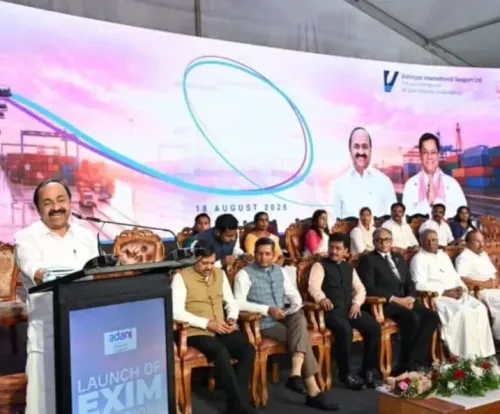
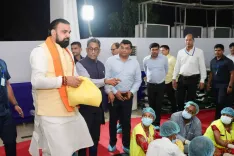
Vizhinjam International Seaport in Thiruvananthapuram formally commenced full-fledged export-import (EXIM) operations on Tuesday, 17 August, marking a watershed moment for Kerala's ambitions to position itself as a major logistics and manufacturing gateway to global markets. The launch ceremony was flagged off by Chief Minister V.D. Satheesan at 10.45 am, with Union Ports, Shipping and Waterways Minister Sarbananda Sonowal as chief guest.
From Transhipment Hub to Commercial Gateway
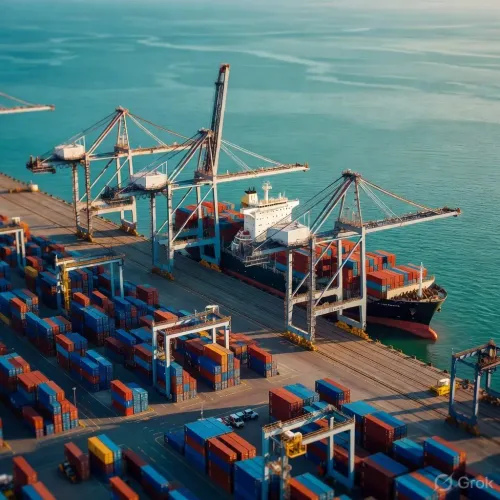
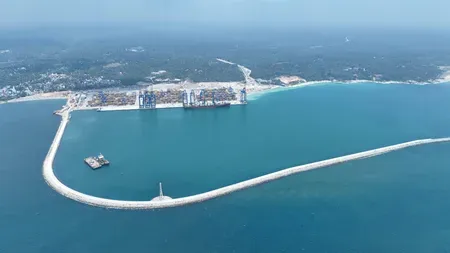
The inauguration signals a fundamental shift in Vizhinjam's operational identity — from a predominantly transhipment facility into a direct commercial port connecting Kerala's exporters to international markets. The port, operated by Adani Ports, boasts a natural depth of 20–24 metres, enabling it to berth some of the world's largest container vessels. Critically, it sits barely 10 nautical miles from the international East-West shipping corridor, a geographic advantage that few Indian ports can match.
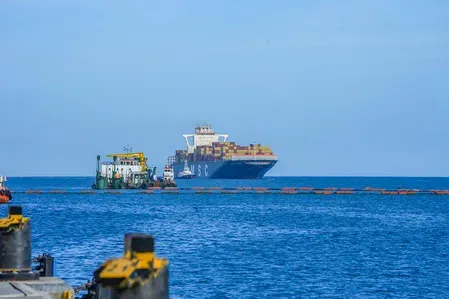
A trial run had already demonstrated the port's EXIM potential: the first export container was shipped to Valencia, Spain, validating the route ahead of the formal launch.
What This Means for Kerala's Exporters
For decades, Kerala's exporters have routed consignments to western markets via Colombo, Singapore, or Dubai, absorbing additional transit time and logistics costs in the process. Vizhinjam now offers a direct alternative. Sectors expected to benefit include agricultural produce, spices, cashew, marine products, handloom, and textiles — industries where Kerala holds established export credentials.
For the state's small and medium enterprises in particular, direct port access could meaningfully reduce the landed cost of exports, improving competitiveness in price-sensitive international markets.
Mission Samudra and the Port City Vision
The state government used the occasion to formally launch 'Mission Samudra', a port-led industrial and logistics development programme anchored around the concept of a 'Port City'. The initiative envisions a wider Vizhinjam Maritime Economic Region, comprising eight industrial clusters, three new cities, and Kerala's 600-km coastline as its economic hinterland.
A catalytic fund of ₹400 crore will be deployed across 14 sub-schemes spanning ports and connectivity, logistics development, and cluster and city development, alongside programme management and capacity building. Officials project that the public investment will leverage more than ten times its value in private capital by 2031 through participation in manufacturing, logistics, services, and infrastructure.
Downstream Economic Impact
The commencement of EXIM operations is expected to trigger demand for warehouses, cold-storage facilities, container freight stations, and logistics parks across Thiruvananthapuram and neighbouring districts. With road and rail connectivity to the port progressively strengthening, Vizhinjam is increasingly positioned to serve as a preferred gateway for large-scale exports from southern India.
Notably, this is the culmination of a project that has seen years of delay, litigation, and protest — making the formal EXIM launch all the more significant for the state. Whether Mission Samudra's ambitious multiplier targets materialise will depend on execution speed and private sector confidence in Kerala's investment climate.
Point of View
But the gap between port inauguration and port-led economic transformation is where Kerala has historically struggled. The ₹400 crore Mission Samudra fund is modest relative to the scale of the Port City vision — eight clusters, three cities, a 600-km coastal hinterland — and the 10x private investment multiplier by 2031 is an ambitious ask in a state not traditionally ranked among India's top investment destinations. The real test is whether Adani Ports can ramp container throughput fast enough to make Vizhinjam a commercially compelling alternative to Colombo for Indian shippers, not just a symbolic one. Until freight volumes validate the pitch, the bigger announcements risk outrunning the operational reality.
NationPress
1 Oct 2026
Frequently Asked Questions
What is Vizhinjam International Seaport and why is it significant?
Vizhinjam International Seaport is a deep-water port in Thiruvananthapuram, Kerala, operated by Adani Ports. Its natural depth of 20–24 metres and proximity to the international East-West shipping corridor make it one of India's most strategically positioned ports, capable of handling the world's largest container vessels without dredging.
What happened at Vizhinjam Port on 17 August?
Chief Minister V.D. Satheesan formally flagged off the port's first full-fledged export-import operations at 10.45 am on 17 August, with Union Minister Sarbananda Sonowal as chief guest. The launch marks Vizhinjam's transition from a transhipment-only facility to a direct commercial EXIM gateway.
What is Mission Samudra?
Mission Samudra is the Kerala government's port-led industrial and logistics development programme launched alongside the Vizhinjam EXIM inauguration. It is backed by a ₹400 crore catalytic fund spread across 14 sub-schemes, targeting eight industrial clusters, three new cities, and a Vizhinjam Maritime Economic Region along Kerala's 600-km coastline.
How will Vizhinjam Port benefit Kerala's exporters?
Kerala exporters in spices, cashew, marine products, textiles, and agricultural produce currently route shipments to western markets via Colombo, Singapore, or Dubai. Vizhinjam's direct EXIM capability allows them to bypass these intermediate hubs, potentially cutting transit times and logistics costs.
What are the investment and employment projections for Vizhinjam?
Officials expect the ₹400 crore public catalytic fund to attract more than ten times its value in private investment by 2031. The port's EXIM operations are also expected to generate demand for warehouses, cold-storage facilities, container freight stations, and logistics parks across Thiruvananthapuram and neighbouring districts.