Vizhinjam port receives first import container from China's Ningbo
Synopsis
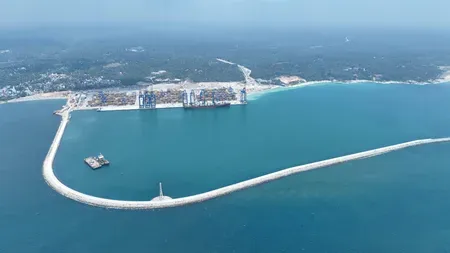
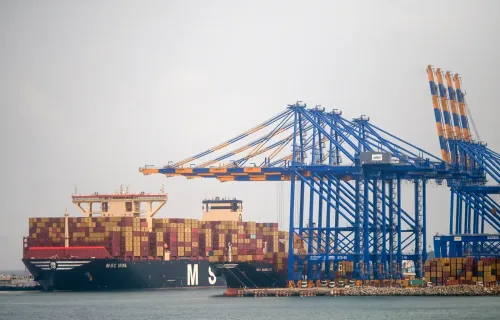
Vizhinjam International Seaport just crossed a milestone that reshapes Kerala's trade map — its first import container, arriving from Ningbo aboard the MSC Sabrina III, signals the port's shift from transhipment hub to a full-service gateway. Just three months after gateway traffic was inaugurated, businesses in Kerala can now bypass out-of-state ports entirely.
Key Takeaways
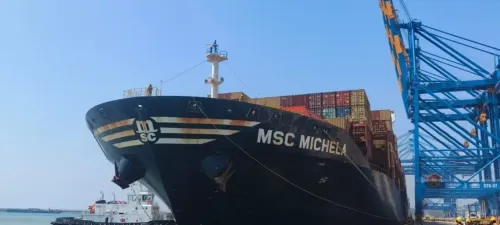
Vizhinjam International Seaport received its first import container on 3 November 2026 , arriving from Ningbo, China aboard the MSC Sabrina III .
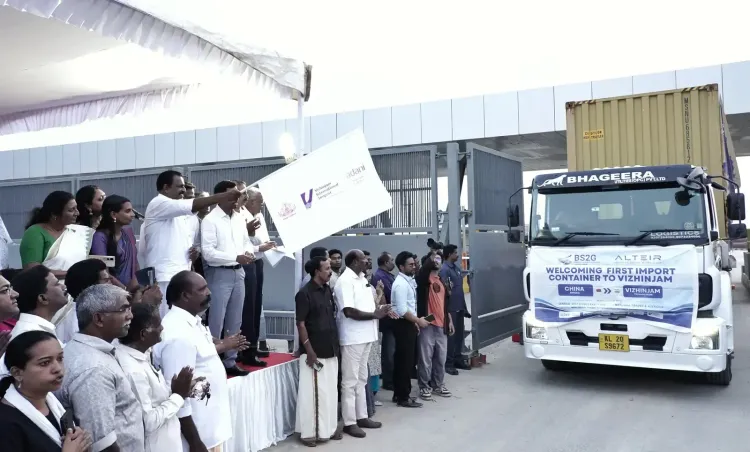
The shipment was booked by BS2G Logistics and Ship Chandlers Pvt Ltd , a Thiruvananthapuram -based startup, for the Altair Group ; it carries engineered building boards for the construction sector.
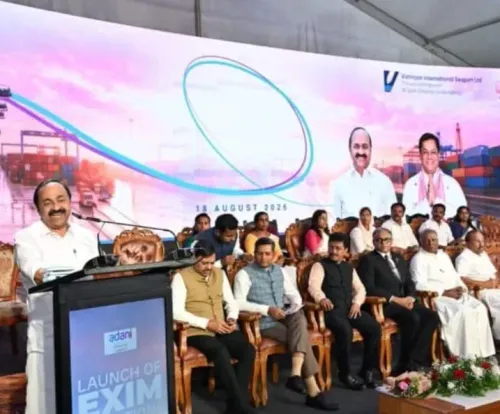
Import operations launch just three months after Chief Minister Pinarayi Vijayan inaugurated gateway traffic at the port in August .
Kerala businesses can now receive goods, clear customs, and move cargo entirely through Vizhinjam , bypassing ports outside the state.
The development is expected to generate jobs and growth in customs brokerage , freight forwarding , transportation , and warehousing across southern Kerala.
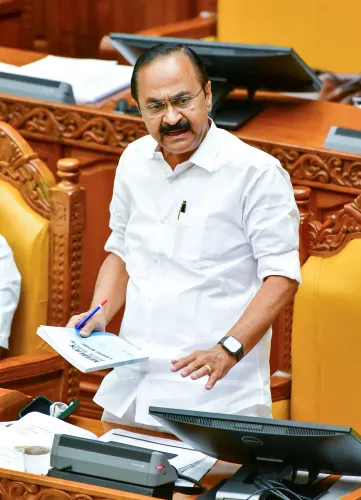
Vizhinjam International Seaport in Thiruvananthapuram crossed a significant milestone on Tuesday, 3 November 2026, with the arrival of its first import container — a development that opens a direct gateway for Kerala's import trade and signals the port's expanding role beyond transhipment. The container arrived aboard the MSC Sabrina III from Ningbo, China, and was formally received at the port in the presence of M. Vincent, MLA, and senior port and customs officials.
The Historic First Shipment
The inaugural import container was booked by BS2G Logistics and Ship Chandlers Pvt Ltd, a Thiruvananthapuram-based startup, for the city's Altair Group. The consignment carries engineered building boards used in the construction sector as alternatives to conventional plywood. The formal reception ceremony underscored the commercial and symbolic weight of the occasion, drawing lawmakers and port officials to mark the transition.
What This Means for Kerala's Trade
Until now, businesses in Kerala had to rely on ports outside the state to handle import cargo, adding time and cost to their supply chains. With import operations now live at Vizhinjam, importers can receive goods directly at the port, complete customs formalities on-site, and move cargo to their markets without the detour. The shift is expected to reduce both transport time and logistics costs for businesses across Kerala and potentially neighbouring southern districts.
Notably, this milestone arrives just three months after Chief Minister Pinarayi Vijayan inaugurated gateway traffic at the port in August — a pace that MLA Vincent described as a significant achievement at the reception ceremony.
Economic and Jobs Impact
The launch of import operations is expected to generate broader economic benefits for the region. Analysts and port officials point to downstream opportunities in customs brokerage, freight forwarding, transportation, and warehousing — sectors that stand to grow as cargo volumes increase. Port operations and inland cargo movement could also create jobs in Thiruvananthapuram and other southern districts of Kerala.
The port is also anticipated to help retain cargo-handling and logistics revenue within the state, reversing a long-standing pattern of Kerala's trade flowing through ports in Kochi, Chennai, or Colombo.
What Officials Said
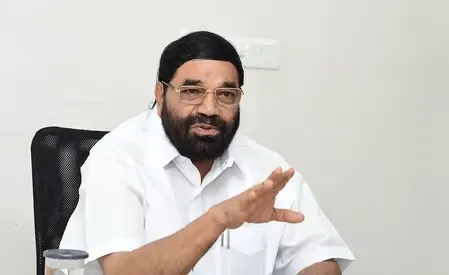
Speaking at the reception, MLA Vincent called the development a major achievement for Kerala and for Vizhinjam. He underlined that exports and imports needed to grow in tandem for the state's development goals to be realised. Vincent also expressed confidence that Vizhinjam could emerge as a major gateway for India, attracting cargo from across South India and receiving goods directly from international origins.
He praised the startup founders behind the first import booking, expressing hope that more businesses would step forward to tap the commercial opportunities the port now offers. He also anticipated that growth in container movement would attract logistics companies and give a boost to allied industries, as well as the hospitality and transport sectors.
What's Next for Vizhinjam
With transhipment operations already established and import services now operational, Vizhinjam International Seaport is steadily building out its full-service port profile. The next phase will likely involve growing import volumes, attracting more shipping lines, and expanding the logistics ecosystem around the port. The speed of the import operations launch — coming within three months of gateway traffic inauguration — points to an accelerated operational roadmap that port authorities and the Kerala government are keen to sustain.
Point of View
Chennai, and even Colombo; every import container that now clears through Vizhinjam is revenue and employment the state was previously exporting. The real test is volume: a single startup booking is a proof-of-concept, not a trade route. The port will need competitive tariffs, reliable shipping line calls, and a responsive customs infrastructure to convert this milestone into a sustained shift in cargo patterns across South India.
NationPress
4 Nov 2026
Frequently Asked Questions
What is the significance of Vizhinjam port's first import container?
It marks the formal launch of import operations at Vizhinjam International Seaport, allowing Kerala businesses to receive goods directly at the port and clear customs on-site rather than routing imports through ports outside the state. The development is expected to reduce logistics costs and time for importers in Kerala.
Where did the first import container at Vizhinjam come from?
The first import container arrived from Ningbo, China, aboard the vessel MSC Sabrina III. It was booked by BS2G Logistics and Ship Chandlers Pvt Ltd, a Thiruvananthapuram-based startup, for the Altair Group, and contains engineered building boards used as alternatives to conventional plywood.
How quickly did Vizhinjam launch import operations after its gateway traffic inauguration?
Import operations commenced within approximately three months of the Chief Minister inaugurating gateway traffic at the port in August 2026. MLA M. Vincent described this pace as a significant achievement at the reception ceremony on 3 November.
What economic benefits are expected from Vizhinjam's import operations?
The port is expected to reduce transport time and costs for Kerala importers, retain logistics revenue within the state, and create jobs in customs brokerage, freight forwarding, transportation, and warehousing across Thiruvananthapuram and other southern districts.
Can Vizhinjam port become a major gateway for South India?
According to MLA M. Vincent, Vizhinjam has the potential to emerge as a major import-export gateway for India by attracting cargo from across South India and establishing direct shipping links to global origins. Realising that potential will depend on growing shipping line calls and building out the broader logistics ecosystem around the port.