Waqf RTC entries in Karnataka: LoP Ashoka warns 3 lakh farmers' land records at risk
Synopsis
Karnataka's Waqf land row has reignited with BJP LoP R. Ashoka claiming over 1.80 lakh farmer RTC documents already carry Waqf-related entries — with the tally potentially reaching three lakh across all 31 districts. By reframing the dispute as a threat to farmers' ownership, credit access, and livelihoods, the BJP is widening the political battleground well beyond its religious dimensions.
Key Takeaways
BJP Leader of Opposition R.
Ashoka alleged on Monday that Waqf -related entries have been recorded in farmers' RTC documents across Karnataka .
More than 1.80 lakh RTCs have reportedly been marked; the process could extend to nearly three lakh land records across all 31 districts .
Highest-affected districts cited: Karwar (~73,000), Mangaluru (48,000), Shivamogga (38,000), Bengaluru South (18,000), Kalaburagi and Bagalkote (17,000 each).
Ashoka demanded an immediate halt to the process, a review of all flagged RTCs, and a White Paper from the state government.
The Congress government has maintained that no farmer's ownership rights will be affected; it has not yet responded to the latest demands.
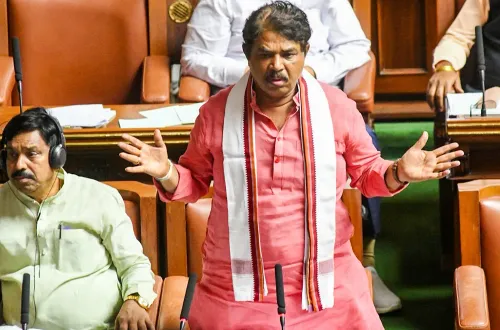
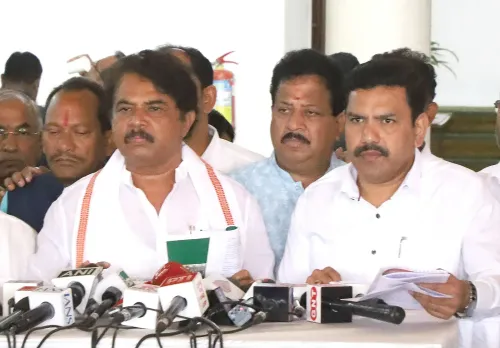
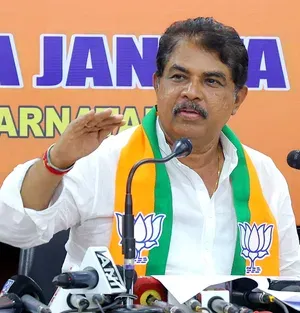
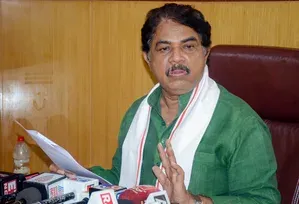
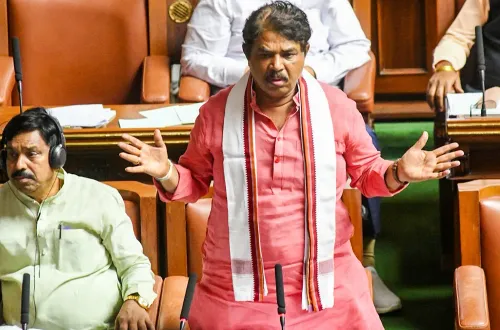
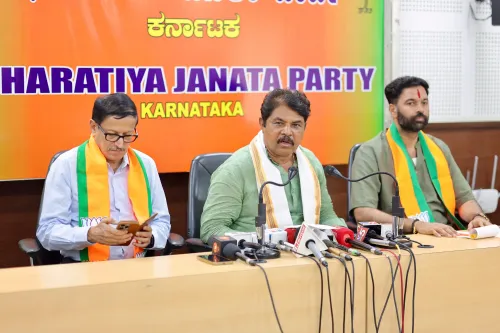
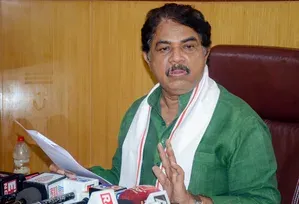
Karnataka Leader of Opposition R. Ashoka on Monday raised a sharp alarm over alleged Waqf-related entries being recorded in farmers' land documents across the state, claiming that more than 1.80 lakh Record of Rights, Tenancy and Crops (RTC) documents have already been marked and the process could extend to nearly three lakh land records spanning all 31 districts of Karnataka. The senior Bharatiya Janata Party (BJP) leader demanded an immediate halt and a public White Paper from the Congress government in Bengaluru.
What Ashoka Alleged
In a strongly-worded statement, Ashoka charged that the state government's conduct amounted to more than a clerical anomaly. 'The farmer feeds the nation. Making the same farmer stand before government offices to prove ownership of his own land will invite the curse of the annadata,' he said.
He alleged that Waqf-related references are being entered in Column 11 of RTC documents — a column that records encumbrances and rights — potentially clouding ownership title and complicating transactions such as land sales and bank loans. Ashoka described the development as 'not merely a matter of record alteration, but a question of ownership, livelihood and the future of farmers.'
District-Wise Figures Cited
Ashoka cited district-level data to underline the scale of the alleged problem. According to him, Karwar accounts for around 73,000 RTCs with such entries, followed by Mangaluru with 48,000, Shivamogga with 38,000, Bengaluru South with 18,000, Kalaburagi with 17,000, and Bagalkote with another 17,000.
These figures, he argued, point to a systemic pattern rather than isolated data-entry errors. Notably, the districts named span both the coastal belt — where Waqf land disputes have historically been concentrated — and inland Karnataka.
Challenge to Chief Minister Shivakumar
Addressing Chief Minister D.K. Shivakumar directly, Ashoka issued a two-pronged challenge: if the reports are incorrect, the government should immediately place verified facts before the public; if the entries have indeed been made, it must explain why farmers are being pushed into uncertainty over land they own. He further questioned whether these entries would prevent farmers from selling land, securing agricultural credit, or exercising basic ownership rights.
Ashoka also accused the Congress of prioritising 'appeasement politics' over agrarian welfare — a charge the BJP has levelled repeatedly in the context of Karnataka's Waqf controversy.
The Congress Government's Position
The Congress government has consistently maintained that no farmer's ownership rights would be affected by Waqf-related proceedings and that any discrepancies in land records would be examined in accordance with the law. The government has not yet responded to Ashoka's latest demands for a White Paper or a formal review of all flagged RTCs.
Broader Political Context
The Waqf land issue has remained a flashpoint in Karnataka politics for several years, with the BJP repeatedly alleging that agricultural and private lands were being claimed under Waqf records. The controversy gained national traction during debates over the now-amended Waqf Act. Ashoka's renewed offensive signals that the BJP intends to keep the issue alive ahead of future electoral cycles, framing it as a farmers' rights question rather than a purely religious one — a framing with potentially wider rural appeal.
All eyes are now on whether the Shivakumar government responds with a formal rebuttal, a review order, or the White Paper that the opposition is demanding.
Point of View
And an RTC encumbrance, even a disputed one, can genuinely block bank credit and property transactions. What is missing from Ashoka's statement, however, is independent verification of the district-wise figures he cites; the Congress government has not confirmed them. Until an authoritative audit — ideally a court-ordered one — establishes the actual scale of these entries, both the BJP's alarm and the Congress's dismissal remain politically convenient positions rather than verified facts. The demand for a White Paper is the most constructive element here, and the government's response to it will be the real test of transparency.
NationPress
29 Jun 2026
Frequently Asked Questions
What are the Waqf-related RTC entries that Karnataka LoP R. Ashoka is objecting to?
Ashoka alleges that Waqf-related references are being entered in Column 11 of farmers' Record of Rights, Tenancy and Crops (RTC) documents — a column that records encumbrances on land. He claims this could cloud ownership title and prevent farmers from selling land or obtaining bank loans.
How many farmers' land records are reportedly affected in Karnataka?
According to Ashoka, more than 1.80 lakh RTCs have already been marked with Waqf-related entries, and the process could extend to nearly three lakh records across all 31 districts of Karnataka. These figures have not been independently verified.
Which districts in Karnataka have the most affected RTCs according to the BJP?
Ashoka cited Karwar (around 73,000 RTCs), Mangaluru (48,000), Shivamogga (38,000), Bengaluru South (18,000), Kalaburagi (17,000), and Bagalkote (17,000) as the most affected districts.
What has the Karnataka Congress government said about the Waqf land controversy?
The Congress government has maintained that no farmer's ownership rights will be affected by Waqf-related proceedings and that any discrepancies in land records will be examined in accordance with the law. It has not yet responded to Ashoka's latest demand for a White Paper.
What is the BJP demanding from the Karnataka government over this issue?
The BJP, through LoP Ashoka, has demanded an immediate halt to the process of entering Waqf references in RTCs, a review of all entries already made, and the release of a White Paper detailing the full scope of the issue for public scrutiny.