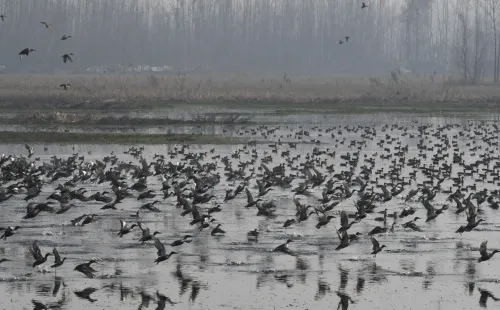
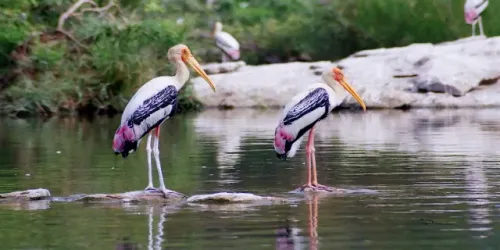
WII study: Water availability drives colonial waterbird breeding in wetlands
Synopsis
A three-season, nine-wetland study by the Wildlife Institute of India has put a number to what ecologists long suspected: it is water, not temperature or rainfall patterns, that makes or breaks colonial waterbird breeding in southern India's monsoon-dependent wetlands. The finding reshapes how reservoir and irrigation managers should think about conservation — making water-level decisions ecological decisions too.
Key Takeaways
The Wildlife Institute of India (WII) published findings on 21 October 2026 identifying water availability as the dominant driver of colonial waterbird breeding in southern Indian wetlands.
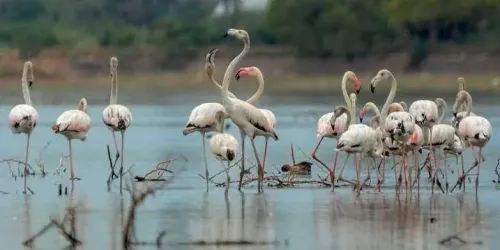
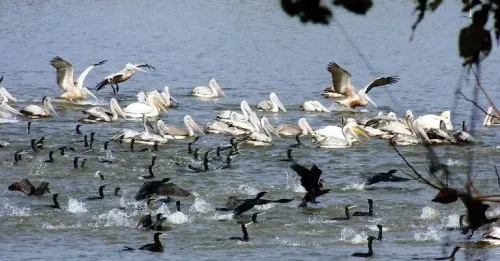
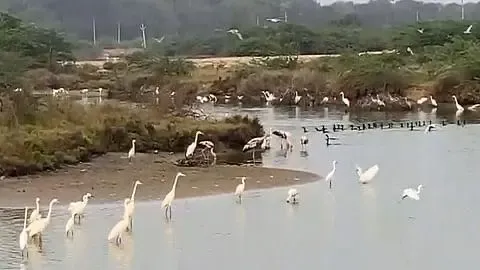
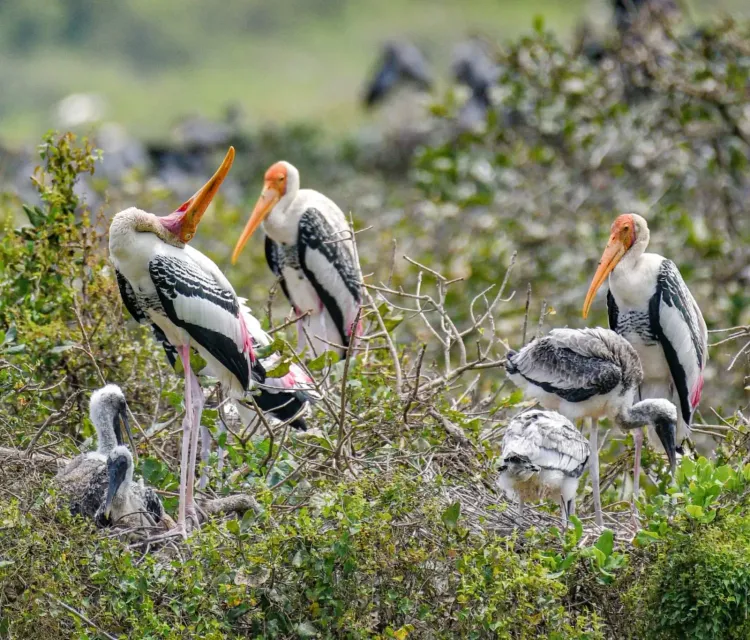
The study covered nine wetlands in Tamil Nadu across three breeding seasons (2022–2023 to 2024–2025) and documented 16 colonial nesting waterbird species .
Greater wetland inundation increased the probability of colony establishment, colony size, and species diversity; environmental conditions in the 30 days before surveys were the strongest predictors.
Maximum temperature negatively affected colony abundance and species richness; precipitation had a weaker negative effect; wind speed had no significant effect.
WII has called for maintaining adequate water levels during breeding seasons through coordinated management of reservoirs, irrigation systems and canal networks .
The research was funded by the Anusandhan National Research Foundation (ANRF) , Government of India.
The Wildlife Institute of India (WII) has found that water availability is the single most critical factor determining when colonial waterbirds begin breeding, how large their colonies grow, and how many species a wetland can sustain. The findings, published on 21 October 2026, carry significant implications for wetland conservation policy across monsoon-dependent landscapes in southern India.
Key Findings of the Study
Conducted across nine wetlands in Tamil Nadu over three consecutive breeding seasons from 2022–2023 to 2024–2025, the study documented 16 colonial nesting waterbird species and identified wetland water extent as the strongest predictor of nesting occurrence, colony abundance, and species richness. The research combined systematic field surveys, Sentinel-2 satellite imagery, and climate data from the ERA5 reanalysis dataset.
Greater inundation was consistently associated with a higher probability of colony establishment, larger breeding aggregations, and greater species diversity. Notably, environmental conditions during the 30 days preceding surveys provided the strongest explanatory power for breeding responses — underscoring the importance of near-term hydrological conditions over longer-term climate averages.
Role of Climate Variables
While water extent emerged as the dominant driver, the study also examined the influence of temperature, precipitation, and wind speed using generalised linear mixed models. Maximum temperature negatively affected both colony abundance and species richness. Precipitation exerted a weaker negative effect, and wind speed showed no statistically significant impact. The findings confirm that climatic factors play a secondary, rather than primary, role in shaping breeding dynamics.
What WII Recommends
The institute, an autonomous body under the Ministry of Environment, Forest, and Climate Change (MoEFCC), has called for a paradigm shift in conservation planning. 'Conservation planning must move beyond individual wetland boundaries. Conservation strategies should prioritise the maintenance of adequate water levels during breeding seasons through effective management of reservoirs, irrigation systems and canal networks supplying water to such biodiverse-rich wetlands,' the WII stated.
This comes amid increasing climatic variability that threatens the hydrological stability of monsoon-dependent wetlands — ecosystems that researchers describe as highly sensitive to environmental fluctuations but poorly understood in terms of what drives colonial waterbird breeding within them.
Research Support and Broader Context
The study was supported by the Anusandhan National Research Foundation (ANRF), Government of India. Researchers emphasised the importance of integrating hydrological monitoring, climate information, and long-term ecological surveys to strengthen conservation frameworks. This is among the first studies to rigorously quantify the relative contribution of inundation versus climate variables to waterbird breeding dynamics across multiple wetlands over multiple seasons in tropical India, lending it particular methodological weight.
With wetlands under mounting pressure from agricultural water diversion, groundwater depletion, and erratic monsoon patterns, the study offers conservation managers a data-backed basis for prioritising water-level management as a frontline tool for protecting colonial waterbird populations.
Point of View
Urban supply, and ecology — and it hands ecologists a concrete, evidence-based argument. The finding that near-term inundation (30 days) matters more than broader seasonal climate patterns means that even small, timely water releases into wetland systems could have outsized conservation returns. What the mainstream coverage of this research risks missing is the governance implication: irrigation and reservoir managers are now, in effect, wildlife managers whether they recognise it or not. Integrating breeding-season hydrological targets into dam operation schedules would be a low-cost, high-impact intervention — but it requires cross-departmental coordination that India's siloed water and environment bureaucracies have historically struggled to achieve.
NationPress
22 Oct 2026
Frequently Asked Questions
What did the WII waterbird breeding study find?
The Wildlife Institute of India found that wetland water extent is the single strongest predictor of colonial waterbird nesting occurrence, colony size, and species richness in monsoon-dependent wetlands of southern India. The study was published on 21 October 2026 and covered nine wetlands in Tamil Nadu over three breeding seasons.
Why does water availability matter more than temperature or rainfall for waterbirds?
According to the WII study, water extent directly determines the physical habitat available for colony establishment, food accessibility, and nesting conditions — effects that outweigh those of temperature or precipitation. Maximum temperature did negatively affect colony abundance and species richness, but its influence was secondary to inundation levels.
Which wetlands and species were included in the WII study?
The study was conducted across nine wetlands in Tamil Nadu, India, during three breeding seasons from 2022–2023 to 2024–2025. A total of 16 colonial nesting waterbird species were recorded across these sites.
What does WII recommend for wetland conservation based on these findings?
WII recommends that conservation strategies prioritise maintaining adequate water levels during breeding seasons through coordinated management of reservoirs, irrigation systems, and canal networks. The institute also calls for integrating hydrological monitoring, climate data, and long-term ecological surveys into conservation planning.
Who funded the WII waterbird research?
The research was supported by the Anusandhan National Research Foundation (ANRF), Government of India. WII is an autonomous body under the Ministry of Environment, Forest, and Climate Change (MoEFCC).