Could Heavy Rain be Creating a Unique Bird Sanctuary in Thoothukudi?
Synopsis
Heavy rainfall has transformed Thoothukudi's salt pans into a vibrant habitat for various water birds, drawing attention from locals and birdwatchers alike. This rare ecological phenomenon highlights the importance of preserving such landscapes.
Key Takeaways
Heavy rainfall has led to the formation of shallow wetlands.
Salt pans are now serving as crucial habitats for various bird species.
Rosy Starlings have been observed migrating to the area.
Food availability has significantly increased due to the growth of aquatic organisms.
This phenomenon highlights the ecological value of landscapes beyond their commercial use.
Chennai, Jan 21 (NationPress) Forest and Environment officials in Tamil Nadu have termed the recent surge in bird activity near Thoothukudi Harbour as a remarkable and ecologically important event, spurred by this year's heavy rainfall.
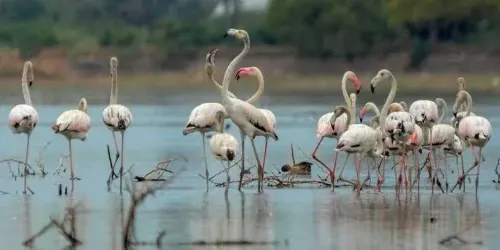
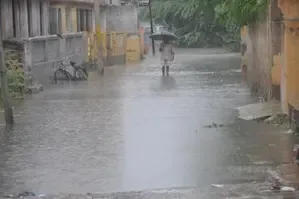
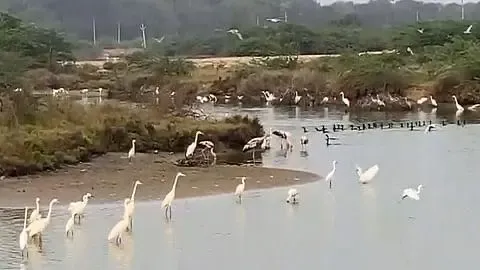
As per the Forest Department officials, the unusually high levels of rain have caused significant water accumulation in the suburban salt pans surrounding Thoothukudi. These salt pans, typically designated for salt production, have momentarily converted into shallow wetlands, offering perfect habitats for water birds to feed and rest.
"This kind of extensive gathering of water birds in salt pans is quite rare," stated a senior official from the Forest Department.
He elaborated, "The rainwater has encouraged the proliferation of aquatic life such as small fish, larvae, and insects, significantly enhancing food availability. Naturally, the birds are taking advantage of this bounty."
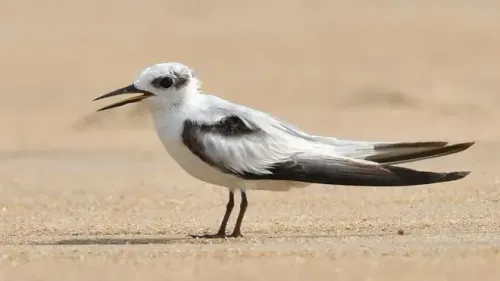
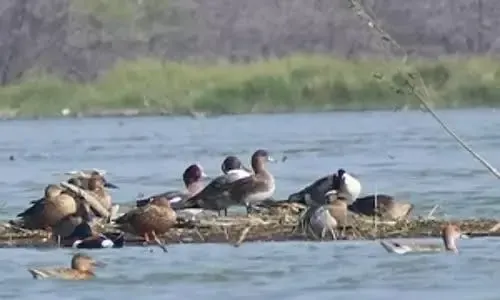
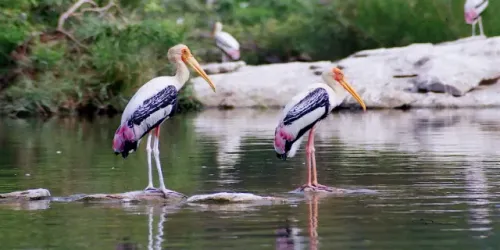
Officials have reported that flocks of waterbirds are now frequently observed landing in the salt pans, actively feeding throughout the day. This transformation has caught the attention of locals and birdwatchers, many of whom are experiencing such sights for the very first time.
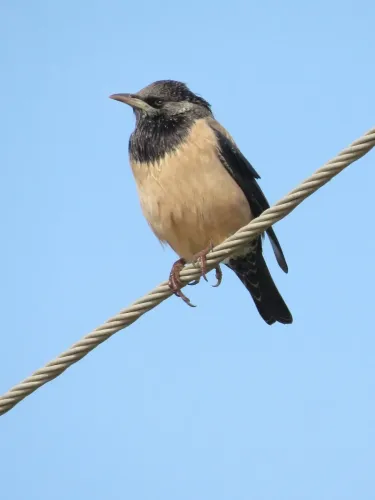
Adding to the ecological intrigue is the influx of large flocks of Rosy Starlings, which have been seen flying in tight, synchronized formations over the district.
"Rosy Starlings are long-distance migrants," explained Dr. R. Meenakshi, Deputy Director of the Environment and Climate Change Department.
"They migrate from breeding grounds in Northwest Asia and Eastern Europe, typically arriving in southern India between October and November, and staying until March or April."
She further mentioned that Tamil Nadu, along with states like Gujarat, Karnataka, Kerala, Telangana, and parts of central India, serves as a vital wintering habitat for this species.
"Their presence signifies favorable habitat conditions, especially regarding food security," she added. Forest officials noted that Rosy Starlings are omnivorous and flourish in areas abundant with insects, grasslands, and agricultural land.
"Flocking during migration also mitigates predation risks," stated wildlife biologist S. Arulraj, who is keeping track of bird movements in the area.
Officials are optimistic that if the wet conditions persist for a few more weeks, the Thoothukudi salt pans could continue to serve as a vital temporary refuge for both migratory and resident water birds.
"This situation underscores the ecological importance of such landscapes beyond their commercial uses," Arulraj remarked, advocating for responsible human activities around these sites during this sensitive period.
Point of View
The recent developments in Thoothukudi's salt pans highlight the crucial interplay between climate events and biodiversity. The transformation of these landscapes serves as a reminder of the ecological value that often goes unnoticed in commercial activities. It's vital to advocate for responsible preservation efforts in the face of such significant changes.
NationPress
22 Oct 2026
Frequently Asked Questions
What caused the surge in bird activity in Thoothukudi?
The recent heavy rainfall led to significant water accumulation in salt pans, creating ideal habitats for water birds.
What species of birds are currently being observed?
Flocks of waterbirds, including Rosy Starlings, are frequenting the salt pans.
Why are the salt pans important for birds?
The temporary wetlands provide food and resting areas for migratory and resident water birds.