What to Expect as the Winter Session of Parliament Commences?
Synopsis
The Winter Session of Parliament has commenced, bringing a robust legislative agenda with key bills on economic and national security. As the government pushes for new laws, the Opposition is poised to challenge its agenda over critical issues. This session promises to be a notable chapter in India's legislative history. Stay tuned for updates.
Key Takeaways
Winter Session runs from December 1 to 19, 2025.
Government plans to introduce at least 13 bills.
Key focus areas include economic policy and national security.
Opposition prepared to challenge the government's agenda.
The Atomic Energy Bill may allow private nuclear power plants.
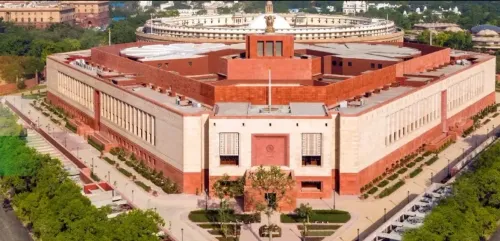
New Delhi, Dec 1 (NationPress) The Winter Session of Parliament kicks off today and is scheduled to run until December 19, encompassing 15 sittings throughout this 19-day period.
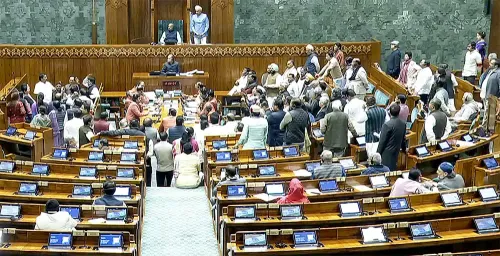
The government has prepared an extensive legislative agenda, with no less than 13 bills anticipated for introduction, including significant proposals related to economic policy and national security. Meanwhile, the Opposition is gearing up to exert pressure on the government regarding the SIR issue, concerns about national security, and various other unresolved matters.
Among the key bills expected to be introduced are The Central Excise Amendment Bill, 2025, and The Health Security National Security Cess Bill, 2025.
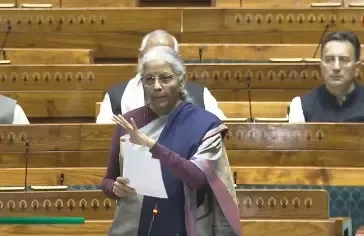
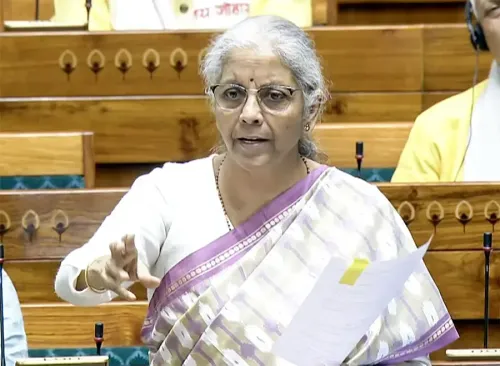
Finance Minister Nirmala Sitharaman is likely to present these bills in the Lok Sabha. The objective of these two legislations is to replace the current GST compensation cess on "sin goods" like tobacco and pan masala with a newly structured excise tax.
Sources indicate that this initiative aims to maintain the existing high tax rates on these products while creating a more reliable revenue stream for funding national security and public health initiatives.
The Health Security National Security Cess Bill, 2025 specifically proposes a cess on machinery and processes involved in the production of designated items. Its purpose is to "enhance resources for funding expenditure on national security and public health," indicating a significant transformation in funding approaches for these sectors.
Additionally, the government has outlined several other critical bills for consideration during this session, including the National Highways (Amendment) Bill, The Atomic Energy Bill, The Corporate Laws (Amendment) Bill, The Insurance Laws (Amendment) Bill, and The Higher Education Commission of India Bill, 2025.
Particularly, the Atomic Energy Bill is expected to attract significant attention as it may permit private entities to establish nuclear power plants—an unprecedented alteration in India’s nuclear energy landscape.
In addition to legislative measures, Parliament will also engage in discussions and voting on the initial batch of Supplementary Demands for Grants for 2025-26, a vital procedure in planning government spending.
The Opposition has made it clear that they will demand an immediate and thorough debate on the SIR issue, warning that disruptions may occur if their call for discussion is ignored. The Opposition aims to address national security matters, especially in light of the recent car explosion in Delhi, alongside labor codes, the role of Governors, and outstanding dues owed to states.
While the government is focused on advancing its legislative agenda, it has also expressed a desire to celebrate the 150th anniversary of Vande Mataram. However, the smooth progression of this session remains uncertain given the Opposition's firm position.
Point of View
It is essential to recognize the significance of the Winter Session of Parliament in shaping the legislative landscape of India. The government’s focus on economic and national security issues reflects a proactive approach, while the Opposition's readiness to engage highlights the dynamic nature of our democracy. The upcoming discussions are crucial for the nation's future, and monitoring these developments will be paramount.
NationPress
21 Sept 2026
Frequently Asked Questions
What is the duration of the Winter Session of Parliament?
The Winter Session of Parliament lasts from December 1 to December 19, 2025.
How many bills are expected to be introduced during this session?
At least 13 bills are slated for introduction during the Winter Session.
What are some key bills being introduced?
Notable bills include The Central Excise Amendment Bill, 2025, and The Health Security National Security Cess Bill, 2025.
What issues will the Opposition focus on?
The Opposition plans to address the SIR issue, national security concerns, and pending dues owed to states.
What is the significance of the Atomic Energy Bill?
The Atomic Energy Bill may allow private companies to establish nuclear power plants, marking a significant shift in India's nuclear energy policy.