Nagaland Chief Secretary: Women are backbone of rural economy, push for climate-smart growth
Synopsis
Nagaland's Chief Secretary used a Kohima platform to reframe rural development around women — citing 1.17 lakh households across 15,445 SHGs — while sounding an urgent alarm on climate change disrupting the state's agriculture. The event's 19-stall Technology Mela signals a concrete push beyond rhetoric toward equipping women entrepreneurs with real tools.
Key Takeaways
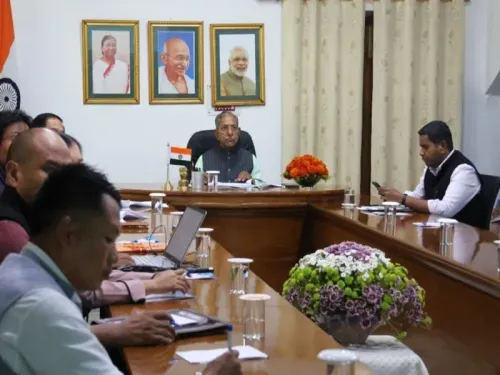
Chief Secretary Sentiyanger Imchen inaugurated the programme 'Women-Led Rural Enterprises for a Climate-Smart Nagaland' in Kohima on 3 July .
The NSRLM has mobilised over 1.17 lakh rural households into 15,445 SHGs across 1,231 villages in all 17 districts .
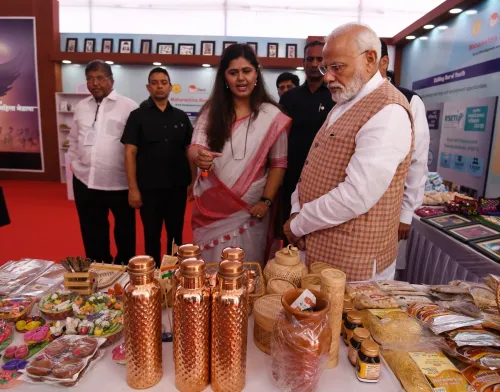
A 19-stall Technology Mela showcased climate-smart technologies, financial solutions, and SHG-developed products.
Imchen flagged climate change impacts — erratic rainfall, disrupted cropping cycles, declining productivity — as urgent threats to Nagaland's agriculture.
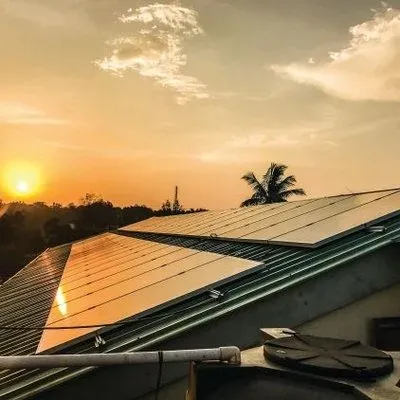
The event called for greater adoption of renewable energy , clean technology, and financial inclusion to build resilient women-led enterprises.
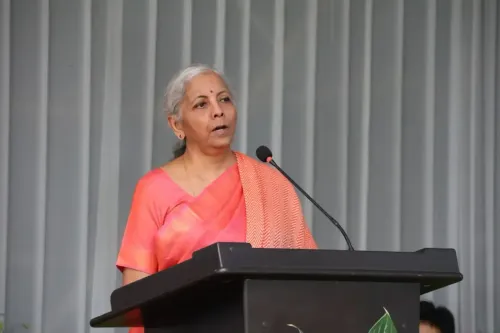
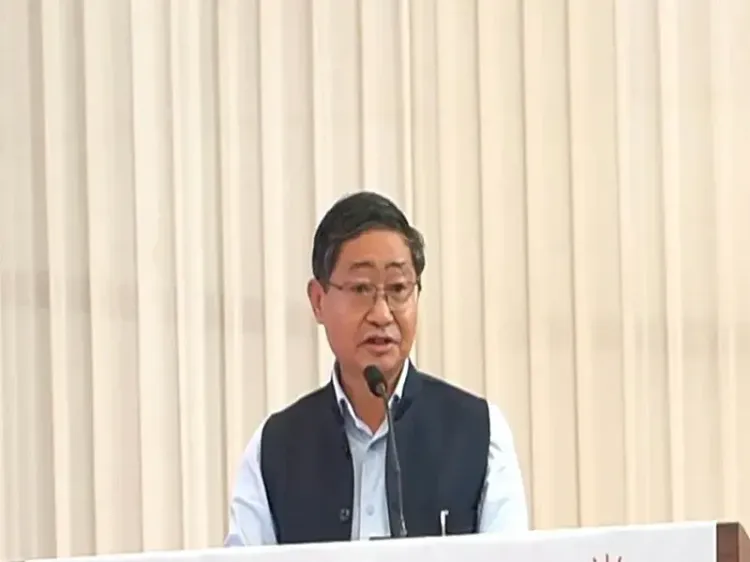
Chief Secretary Sentiyanger Imchen on Friday, 3 July declared that women are the backbone and key stakeholders of Nagaland's rural economy, calling for the state's next phase of agricultural development to be driven by innovation, technology, and climate-smart solutions. His remarks came at the inauguration of a one-day programme titled 'Women-Led Rural Enterprises for a Climate-Smart Nagaland' held in Kohima.
Key Developments at the Programme
The event was organised in collaboration with the Nagaland State Rural Livelihoods Mission (NSRLM) to promote climate-smart and energy-efficient technologies among Self-Help Group (SHG) members and rural entrepreneurs across the state. A total of 19 exhibition stalls showcased innovative technologies, financial solutions, and products developed by SHGs, providing a common platform for stakeholders to explore enterprise solutions that could strengthen women-led rural livelihoods.
The programme featured a Technology Mela with live demonstrations by solution providers, orientation sessions for SHG members and rural entrepreneurs, and dedicated sessions on financing opportunities. A panel discussion titled 'Voices from the Field – Inspiring Stories of Women Entrepreneurs in Self-Help Groups' was also held, where women entrepreneurs shared their experiences and entrepreneurial journeys.
NSRLM's Reach Across Nagaland
Highlighting the achievements of the NSRLM, Chief Secretary Imchen noted that over 1.17 lakh rural households have been mobilised into 15,445 SHGs across 1,231 villages in all 17 districts of the state. While acknowledging the success of the SHG movement, he pointed out that many women entrepreneurs continue to face significant challenges in accessing technology, finance, and markets — gaps the programme directly seeks to address.
Climate Change Threat to Agriculture
The Chief Secretary drew attention to the growing impact of climate change on agriculture in Nagaland, citing erratic rainfall patterns, disrupted cropping cycles, and declining productivity as pressing concerns that can no longer be ignored. He called for urgent and greater adoption of renewable energy, climate-smart technologies, and low-carbon solutions to build resilient rural livelihoods.
What the Government Said
Imchen stressed the need to equip women entrepreneurs with modern technology, clean energy solutions, financial inclusion, and better market access to build resilient and sustainable rural enterprises. He also emphasised the critical role of financial institutions in supporting these enterprises and encouraged SHGs and women entrepreneurs to fully utilise the opportunities presented through the programme.
As Nagaland looks to strengthen its rural economy, the spotlight on women-led enterprises and climate-resilient models signals a broader policy shift — one that could set a template for other northeastern states grappling with similar agricultural and livelihood challenges.
Point of View
But the Chief Secretary's own acknowledgement that women entrepreneurs still struggle to access technology, finance, and markets exposes the gap between mobilisation and meaningful economic empowerment. Forming SHGs is the easy part; the harder work is market linkage and credit access, which no single one-day programme can resolve. Nagaland's climate vulnerability adds urgency: erratic rainfall is not an abstract future risk but a present threat to subsistence agriculture. The question is whether this event catalyses sustained policy action or remains a well-intentioned showcase.
NationPress
4 Jul 2026
Frequently Asked Questions
What was the 'Women-Led Rural Enterprises for a Climate-Smart Nagaland' programme about?
It was a one-day event held in Kohima on 3 July, organised in collaboration with the Nagaland State Rural Livelihoods Mission (NSRLM), aimed at promoting climate-smart and energy-efficient technologies among SHG members and rural entrepreneurs. The programme featured a Technology Mela, live demonstrations, orientation sessions, and a panel discussion with women entrepreneurs.
How many Self-Help Groups has the NSRLM mobilised in Nagaland?
The NSRLM has mobilised over 1.17 lakh rural households into 15,445 SHGs across 1,231 villages in all 17 districts of Nagaland, according to Chief Secretary Sentiyanger Imchen.
Why did the Chief Secretary stress climate-smart solutions for Nagaland?
Chief Secretary Imchen highlighted that climate change is already disrupting agriculture in Nagaland through erratic rainfall, disrupted cropping cycles, and declining productivity. He called these challenges urgent and said they can no longer be ignored, pushing for renewable energy and low-carbon solutions.
What challenges do women entrepreneurs in Nagaland still face?
Despite the success of the SHG movement, many women entrepreneurs continue to face barriers in accessing technology, finance, and markets, as acknowledged by the Chief Secretary at the event.
What was showcased at the Technology Mela during the event?
A total of 19 exhibition stalls displayed innovative climate-smart technologies, financial solutions, and products developed by Self-Help Groups. Solution providers also conducted live demonstrations alongside dedicated sessions on financing opportunities for rural entrepreneurs.