Surat cyber fraud: ₹5.98 lakh lost in fake work-from-home star-rating scam
Synopsis
A Surat diamond worker allegedly rented out his bank account for commission — and it became a conduit for a ₹7.11 lakh cyber fraud operation spanning five states. The victim lost ₹5.98 lakh chasing fake 'star-rating' task returns on Telegram, in a textbook advance-fee trap that authorities say is surging across India.
Key Takeaways
A Surat resident was allegedly defrauded of ₹5,98,800 through a fake work-from-home star-rating scheme on Telegram .
Ravi Baraiya , 23, a diamond worker from Kapodra, Surat , was arrested; his IDFC FIRST Bank account allegedly received ₹1 lakh of the fraud proceeds.
Total cyber fraud transactions through the account amounted to ₹7,11,475 , with five complaints registered on the NCCRP from different states.
Baraiya allegedly handed over his bank account kit to co-accused Gautam Baraiya on commission.
Case registered under Bharatiya Nyaya Sanhita, 2023 and Section 66(D) of the IT Act, 2008 .
Police have advised the public never to pay upfront charges for online task-based jobs and to block unknown Telegram or WhatsApp contacts.
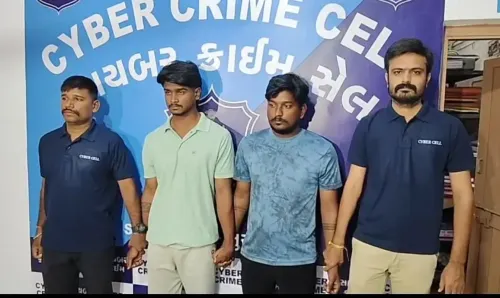
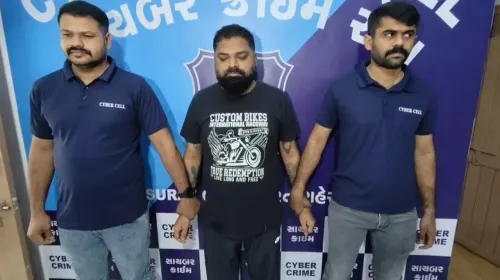
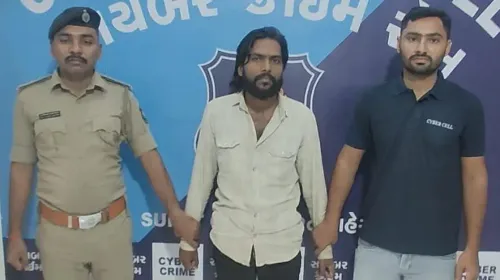
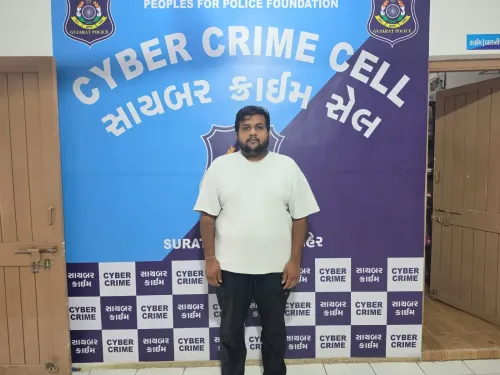
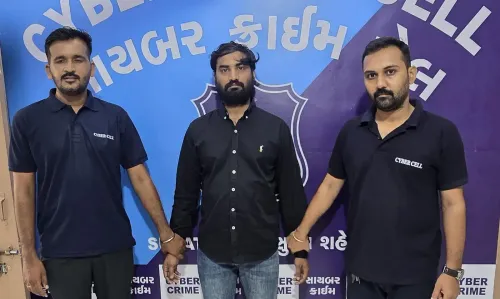
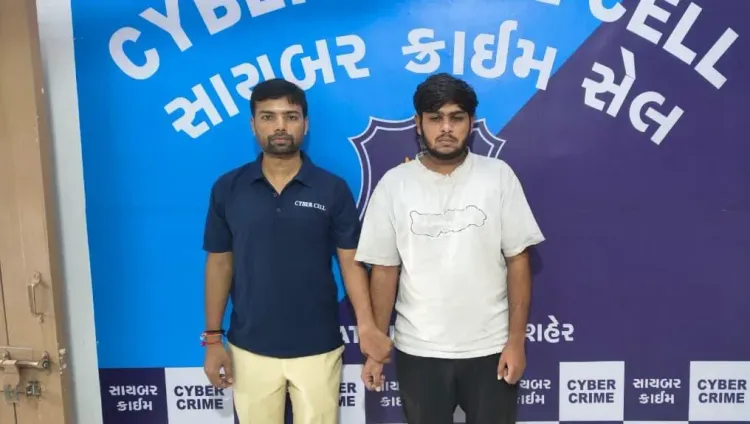
A Surat resident was allegedly defrauded of ₹5,98,800 after being lured into a fake part-time work-from-home scheme involving star-rating tasks, the Surat Cyber Crime Cell confirmed on 28 August. Police have arrested Ravi Baraiya, a 23-year-old diamond worker from the Kapodra area of Surat, whose bank account was allegedly used to receive ₹1 lakh of the defrauded amount.
How the Fraud Unfolded
The complainant was initially contacted through Telegram and offered a part-time job promising attractive returns for completing star-rating tasks online. The accused allegedly shared a link to a fraudulent website and had the complainant register on it.
In a classic advance-fee trap, the victim was paid small sums in the early stages to build trust. The accused then allegedly claimed that additional charges had to be paid to unlock further tasks and earn higher returns. Convinced by the initial payouts, the complainant transferred a total of ₹5,98,800 across multiple bank accounts — money that was never returned.
Investigation and Arrest
After the money was not refunded, the complainant contacted the national cybercrime helpline 1930, prompting the Surat Cyber Crime Cell to launch an investigation. A technical probe led by Police Inspector V.D. Mandora traced the funds to an IDFC FIRST Bank account held by Ravi Baraiya, a resident of Gayatri Society, Kapodra, originally from Gariyadhar in Bhavnagar district.
Investigators further alleged that Baraiya had handed over his bank account kit to a co-accused, Gautam Baraiya, on commission, for use in facilitating cyber fraud. According to the Cyber Crime Cell, transactions totalling ₹7,11,475 linked to cyber fraud had passed through the account. A check on the National Cyber Crime Reporting Portal (NCCRP) revealed five complaints registered against the account across different states.
Legal Sections Invoked
A case was registered at the Cyber Crime Police Station under Sections 318(4), 336(2), 338, 336(3), 340(2), 61(2) and 3(5) of the Bharatiya Nyaya Sanhita, 2023, along with Section 66(D) of the Information Technology Act, 2008. The arrest was carried out under the supervision of senior officials.
Police Advisory
The Surat Cyber Crime Cell has cautioned the public against transferring money when asked to pay upfront charges for online work-from-home opportunities. Authorities have also advised people to immediately leave and block unknown contacts who add them to unfamiliar WhatsApp or Telegram groups, and to be wary of schemes that offer larger returns after small initial profits. This incident is the latest in a growing pattern of task-based cyber fraud targeting job-seekers across India.
Point of View
High psychological leverage on victims. What is underreported is the role of account mules: individuals like Ravi Baraiya who rent out bank credentials for commission, providing fraudsters a disposable financial layer that complicates tracing. The NCCRP showing five cross-state complaints against a single account underlines how these networks operate nationally while arrests remain local. Until enforcement targets the commission-based mule ecosystem as aggressively as it targets end victims, task-fraud operations will simply rotate accounts and continue.
NationPress
28 Aug 2026
Frequently Asked Questions
What is the Surat work-from-home star-rating cyber fraud?
It is a scam in which the victim was contacted on Telegram, offered a part-time job completing star-rating tasks, and defrauded of ₹5,98,800 after being persuaded to pay repeated 'unlock charges' to earn higher returns. The Surat Cyber Crime Cell arrested a 23-year-old man whose bank account was used to receive part of the fraud proceeds.
Who was arrested in connection with the Surat cyber fraud case?
Ravi Baraiya, a 23-year-old diamond worker residing in Gayatri Society, Kapodra, Surat — originally from Gariyadhar in Bhavnagar district — was arrested. He allegedly handed his bank account kit to co-accused Gautam Baraiya on commission for use in the fraud.
How much money passed through the accused's bank account?
According to the Surat Cyber Crime Cell, cyber fraud transactions totalling ₹7,11,475 passed through Ravi Baraiya's IDFC FIRST Bank account. The National Cyber Crime Reporting Portal also showed five complaints against the account from different states.
What should people do if they receive work-from-home job offers on Telegram?
Police advise never transferring money when asked to pay charges for online task-based jobs. People should immediately leave and block unknown contacts who add them to unfamiliar WhatsApp or Telegram groups, and should not make larger investments after receiving small initial profits from such schemes.
Under which laws was the case registered?
The case was registered under Sections 318(4), 336(2), 338, 336(3), 340(2), 61(2) and 3(5) of the Bharatiya Nyaya Sanhita, 2023, along with Section 66(D) of the Information Technology Act, 2008, at the Cyber Crime Police Station in Surat.