Electoral system damage will hit Dalits, minorities first, warns K'taka Dy CM Parameshwara
Synopsis
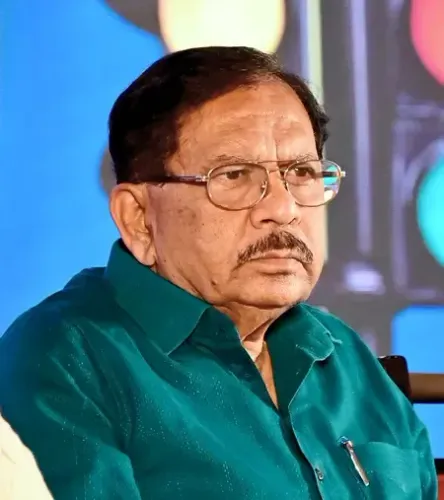
Karnataka Deputy CM G. Parameshwara used International Democracy Day to fire a pointed warning: any damage to India's electoral system will hit Dalits, backward classes, and minorities first. He went further by alleging the Union government is actively trying to weaken the electoral process to stay in power — remarks that blend constitutional advocacy with sharp electoral politics.
Key Takeaways
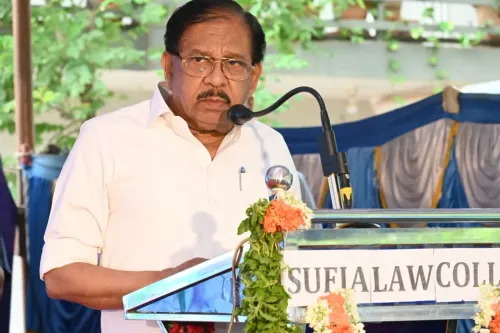
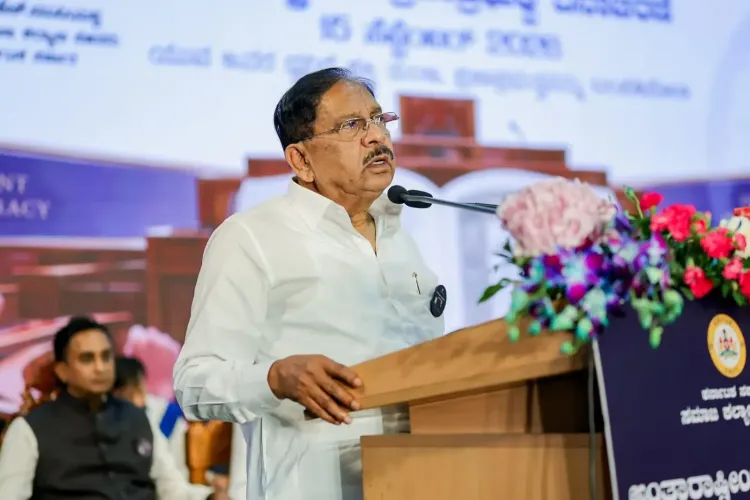
Parameshwara , Karnataka Deputy Chief Minister, spoke at the International Democracy Day event at Vidhana Soudha Banquet Hall, Bengaluru on 15 September 2026 .
He warned that weakening the electoral system would disproportionately harm Dalits, backward classes, and minorities .
Parameshwara alleged the Union government was attempting to weaken the electoral system to remain in power permanently.
Ambedkar's Constitution as the safeguard that kept India resilient compared to neighbours like Sri Lanka, Bangladesh, Pakistan, and Nepal .
Approximately 65 per cent of India's population is aged 16–35 ; Parameshwara stressed the need to build constitutional awareness in this demographic.
The Karnataka government is distributing copies of the Constitution's Preamble to schools, colleges, and homes as part of a constitutional awareness drive.
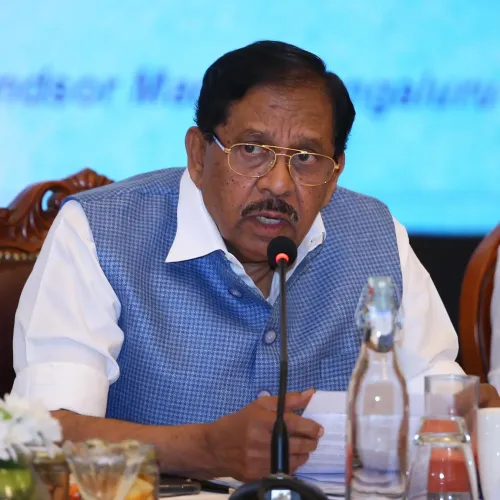
Karnataka Deputy Chief Minister G. Parameshwara on Tuesday, 15 September 2026 warned that any weakening of India's electoral system would fall hardest on the country's most vulnerable communities — Dalits, backward classes, and minorities. He made the remarks at the International Democracy Day programme organised by the Social Welfare Department at the Vidhana Soudha Banquet Hall in Bengaluru.
Core Argument: Democracy as a Shield for the Marginalised
Parameshwara argued that free and fair elections, human rights protections, press freedom, public participation, accountability, and transparency were not abstract ideals but the practical foundations of a just society. He cited Dr. B.R. Ambedkar's Constitution as the bedrock that had kept India resilient even as neighbouring democracies — Sri Lanka, Bangladesh, Pakistan, and Nepal — had faced varying degrees of political turbulence.
'The first impact will be on people at the lower rungs of society. Dalits, backward classes and minorities will suffer,' he said. He added that Ambedkar had provided constitutional safeguards and reservations to uplift communities that had faced oppression for thousands of years, and questioned why those communities should be denied a path to the mainstream.
Allegation Against the Union Government
In a sharply political turn, Parameshwara alleged that the Union government was attempting to weaken the electoral system to entrench itself in power permanently, calling the trend 'dangerous.' He stopped short of specifying the measures he was referring to, but the remarks land amid ongoing national debate over electoral reforms and the autonomy of constitutional bodies.
He called upon citizens to uphold democratic values and ensure that those who 'worked against democracy' were kept away from power — a statement that drew applause from the audience at Vidhana Soudha.
India as the 'Mother of Democracy'
Drawing on Karnataka's own philosophical heritage, Parameshwara invoked the Anubhava Mantapa — a 12th-century deliberative assembly established under social reformers Basavanna and Allama Prabhu — as evidence of India's deep democratic tradition predating modern parliamentary systems. 'While the British Parliament is often called the father of democracy, India is the mother of democracy,' he said.
He also cited Ambedkar's formulation that political democracy cannot survive without the foundation of social democracy — a principle he said the Karnataka government was trying to operationalise through constitutional awareness drives, including distributing copies of the Constitution's Preamble to schools, colleges, and homes.
Focus on Gen Z and Democratic Continuity
Parameshwara underlined a demographic imperative: approximately 65 per cent of India's population falls in the 16–35 age group, and the country must equip this generation to carry forward its democratic institutions. 'Gen Z has now come to the forefront. We have a responsibility to hand over a better political system to them. We must inculcate constitutional values and democratic principles among them,' he said.
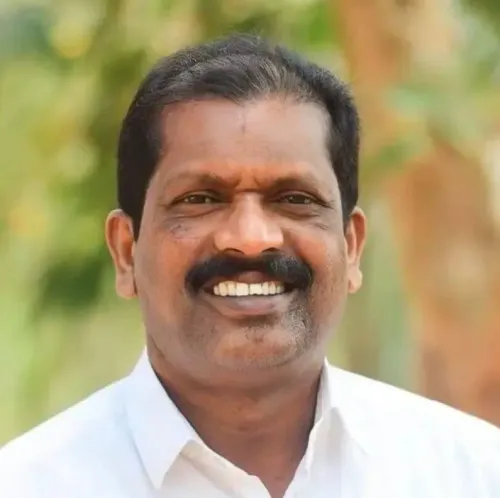
The event was attended by Karnataka Social Welfare Minister K.H. Muniyappa, Food and Civil Supplies Minister Rizwan Arshad, Kannada and Culture Minister Shivaraj S. Thangadagi, and other legislators and dignitaries.
With electoral processes facing fresh scrutiny across South Asia, Parameshwara's remarks signal that the ruling Congress in Karnataka intends to keep constitutional safeguards — and the politics of representation — at the centre of public discourse ahead of the next cycle of elections.
Point of View
Giving it broad resonance without legal exposure. The invocation of Ambedkar and the Anubhava Mantapa is a familiar Congress-Karnataka playbook: tie constitutional morality to the party's social coalition of Dalits, backward classes, and minorities. What deserves scrutiny is whether the Karnataka government's own constitutional awareness programmes — Preamble distribution and school drives — amount to substantive democratic deepening or symbolic gesture politics. The real measure will be whether marginalised communities in Karnataka see improved access to electoral participation, not just copies of the Preamble.
NationPress
15 Sept 2026
Frequently Asked Questions
What did Karnataka Deputy CM Parameshwara say on International Democracy Day?
G. Parameshwara said on 15 September 2026 that any damage to India's electoral system would directly hurt Dalits, backward classes, and minorities. He also alleged that the Union government was attempting to weaken the electoral process to remain in power permanently.
Why did Parameshwara invoke Dr. B.R. Ambedkar in his speech?
Parameshwara cited Ambedkar as the architect of constitutional safeguards and reservations that protected historically oppressed communities. He also referenced Ambedkar's argument that political democracy cannot survive without a foundation of social democracy.
What initiatives has the Karnataka government taken to promote democracy?
The Karnataka government has been distributing copies of the Constitution's Preamble to schools, colleges, and homes as part of a constitutional awareness drive. Parameshwara announced these steps at the International Democracy Day event organised by the Social Welfare Department.
What did Parameshwara say about India's democratic traditions?
He referenced the 12th-century Anubhava Mantapa, a deliberative assembly founded by Basavanna and Allama Prabhu that gave voice to people across castes and communities. He used this to argue that India's democratic tradition predates modern parliamentary systems, calling India the 'mother of democracy'.
Who else attended the International Democracy Day event in Bengaluru?
The event at Vidhana Soudha Banquet Hall was attended by Social Welfare Minister K.H. Muniyappa, Food and Civil Supplies Minister Rizwan Arshad, Kannada and Culture Minister Shivaraj S. Thangadagi, and other legislators and dignitaries.