CM Yogi warns of threats to Sanatan Dharma and Ayodhya
Synopsis
UP Chief Minister Yogi Adityanath posted a video message on 14 August 2026 warning that hidden enemies — invoking the demon Kalnemi from the Ramayana — are targeting Sanatan Dharma and the Ram Janmabhoomi at Ayodhya, sharpening BJP's religio-political messaging ahead of the 2027 UP elections.
Key Takeaways
Yogi Adityanath posted on 14 August 2026 , the eve of Independence Day, warning of threats to Sanatan Dharma and Ayodhya's Ram Janmabhoomi .
He used the term 'Kalnemi' — a demon disguised as a sage in the Ramayana — to describe concealed adversaries of Hindu religious identity.
The Ram Temple at Ayodhya was inaugurated by PM Modi in January 2024 following the Supreme Court's 2019 verdict .
Adityanath has served as Chief Minister of Uttar Pradesh since 2017 and is head of the Gorakhnath Math .
The statement comes with Uttar Pradesh assembly elections due in 2027 , keeping Ayodhya's political salience high.
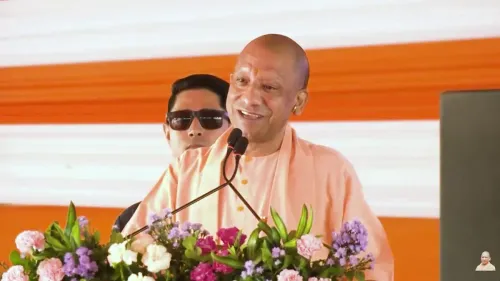
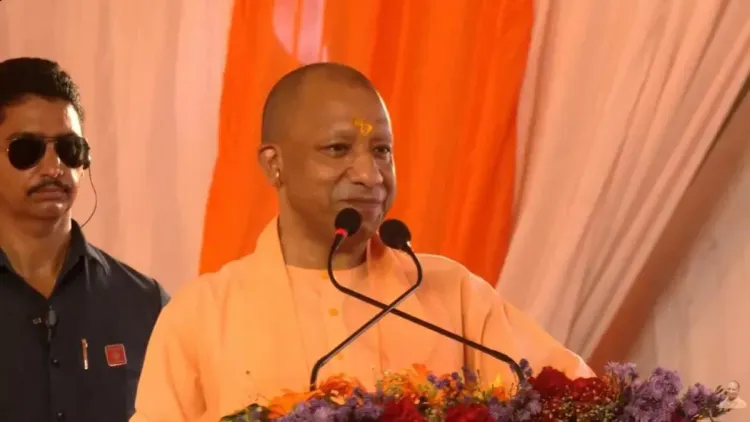
A pointed warning from Uttar Pradesh Chief Minister Yogi Adityanath landed on 14 August 2026 — the eve of Independence Day — as he invoked the figure of Kalnemi, the demon disguised as a sage in Hindu mythology, to signal what he described as concealed enemies of Sanatan Dharma and the Ram Janmabhoomi at Ayodhya.
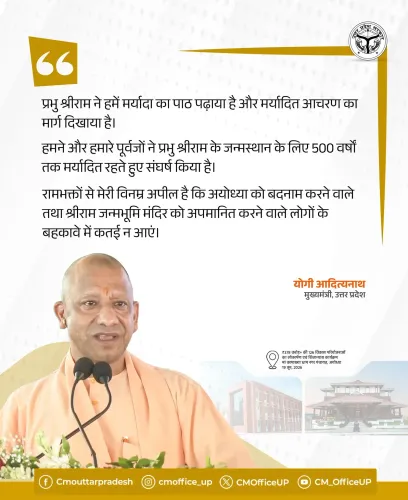
In the post, accompanied by a video, Adityanath wrote: 'हमें इन कालनेमियों को पहचानना होगा... इनका निशाना सनातन धर्म है, अयोध्या धाम है और श्री राम जन्मभूमि है...' — 'We must identify these Kalnemis... their target is Sanatan Dharma, Ayodhya Dham, and the Shri Ram Janmabhoomi.'
The Kalnemi metaphor and what it signals
The choice of 'Kalnemi' is deliberate and loaded. In the Ramayana, Kalnemi is a demon sent by Ravana who disguises himself as a holy man to mislead Hanuman — a symbol of deception cloaked in righteousness. By invoking the term, Adityanath is framing unnamed adversaries not as open opponents but as infiltrators operating under a false cover of legitimacy.
This rhetorical device is a recurring feature of BJP political messaging in Uttar Pradesh, where the defence of Hindu religious identity has been a consistent governing theme since Adityanath took charge as Chief Minister in 2017. The explicit naming of Ayodhya and the Ram Janmabhoomi sharpens the target: these are not abstract cultural assets but sites with enormous political and devotional weight.
Ayodhya's charged political geography
The Ram Temple at Ayodhya was inaugurated by Prime Minister Narendra Modi in January 2024, following the Supreme Court of India's November 2019 verdict that awarded the long-disputed site to a trust for temple construction. The Babri Masjid structure at the same site had been demolished in December 1992, triggering nationwide communal violence and decades of litigation.
Since the temple's construction and consecration, Ayodhya has been positioned by the state government as a pilgrimage and heritage destination — making any perceived threat to its sanctity a politically potent issue in Uttar Pradesh, a state heading toward assembly elections in 2027.
A pre-Independence Day message with electoral undertones
The timing — posted the afternoon before Independence Day — amplifies the nationalist register. Framing the protection of Sanatan Dharma and Ayodhya as an ongoing vigilance mission, rather than a settled achievement, keeps the issue live and urgent. Opposition parties are likely to respond, and the statement is expected to generate debate in the run-up to the 2027 Uttar Pradesh assembly elections.
Adityanath has consistently used the idiom of Hindu scripture and mythology to frame governance choices — and this post, with its ancient metaphor aimed at a very contemporary political landscape, is no departure from that pattern. The question it leaves hanging: who, exactly, are the Kalnemis he has in mind?
Point of View
He activates a broad cultural alarm without the legal exposure of a direct accusation. This fits a long-running BJP strategy in Uttar Pradesh of keeping Ayodhya and Sanatan Dharma at the centre of public discourse even after the temple's consecration — transforming a resolved legal dispute into an ongoing civilisational vigil. Posted on the eve of Independence Day, the message fuses religious identity with nationalist sentiment in a single frame. With the 2027 UP assembly elections on the horizon, the statement reads less as a one-off warning and more as a scene-setter for the campaign narrative to come.
NationPress
28 Sept 2026
Frequently Asked Questions
What did Yogi Adityanath say about Sanatan Dharma in his August 2026 post?
Yogi Adityanath warned that hidden enemies — whom he called 'Kalnemis' after the demon in the Ramayana — are targeting Sanatan Dharma, Ayodhya Dham, and the Ram Janmabhoomi, and that people must learn to identify them.
Who is Kalnemi and why did Yogi Adityanath use the term?
Kalnemi is a demon in the Ramayana who disguises himself as a holy man to deceive Hanuman. Adityanath used the term to describe adversaries he alleges are operating under a false cover of legitimacy while targeting Hindu religious sites.
What is the Ram Janmabhoomi and why is it significant?
The Ram Janmabhoomi is the site in Ayodhya regarded as the birthplace of Lord Ram, where a temple was built following the Supreme Court's November 2019 verdict. The temple was inaugurated by PM Modi in January 2024.
When was the Ayodhya Ram Temple inaugurated?
The Ram Temple at Ayodhya was inaugurated by Prime Minister Narendra Modi in January 2024, following the Supreme Court of India's landmark verdict in November 2019 that awarded the disputed site to a trust for temple construction.
What is the political context of Yogi Adityanath's statement on Ayodhya?
Uttar Pradesh is scheduled to hold assembly elections in 2027. Adityanath and the BJP have consistently made the protection of Sanatan Dharma and Ayodhya central to their political identity in the state, and this statement continues that pattern.