Yogi Adityanath jibe at Opposition: hard work, not speeches
Synopsis
Yogi Adityanath used a religious event in Balrampur to take a veiled swipe at the Opposition, saying results come from hard work, not speeches. He tied that message to Sanatan Dharma's tradition of gratitude, citing an Aurangzeb–Shah Jahan anecdote and urging Hindus to rise above caste, region and language.
Key Takeaways
UP CM Yogi Adityanath took a veiled dig at the Opposition in Balrampur on 27 November 2026 .
He said results come from hard work, diligence and honest discharge of duty, not speeches or sermons .
He urged every Indian to adopt PM Narendra Modi's “Nation First” mantra.
He called India and Sanatan Dharma inseparable, citing the 15-day Pitru Paksha rituals of Shraddh and Tarpan.
He recounted an anecdote about Aurangzeb imprisoning Shah Jahan in Agra Fort , and urged unity beyond caste, region and language.
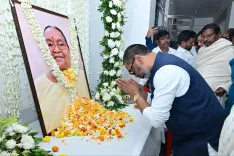
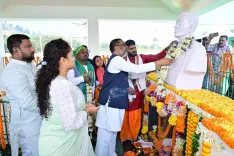
He paid tribute to Brahmaleen Mahant Mahendra Nath Ji Maharaj at the event.
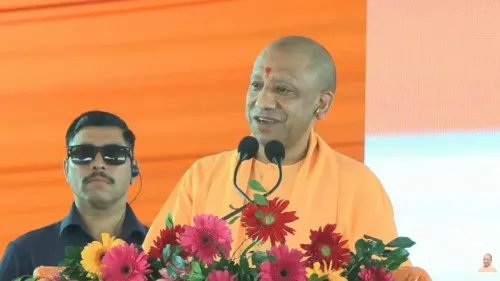
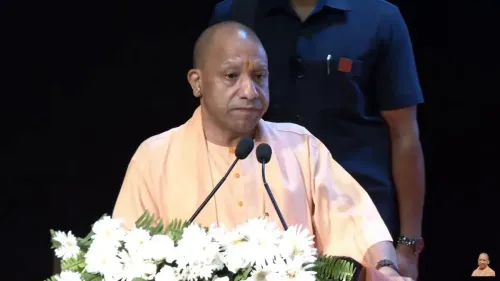
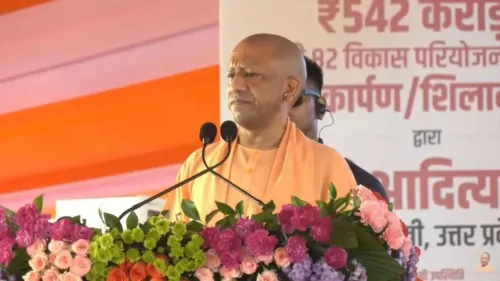
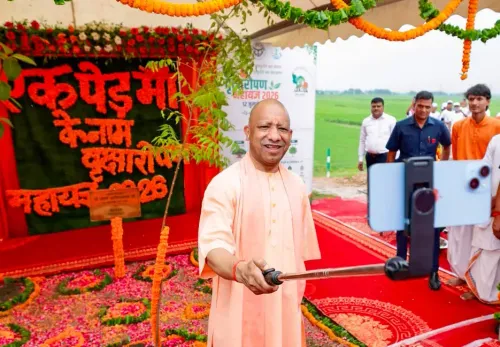
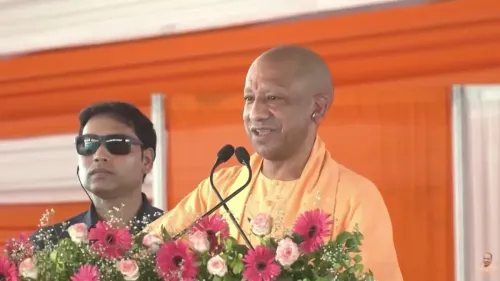
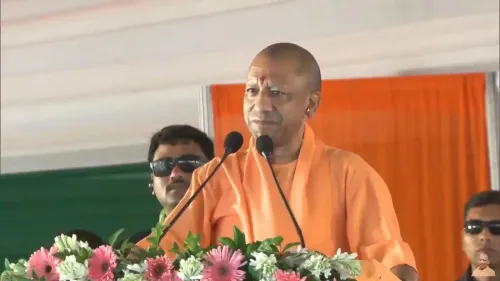
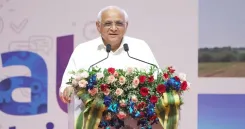
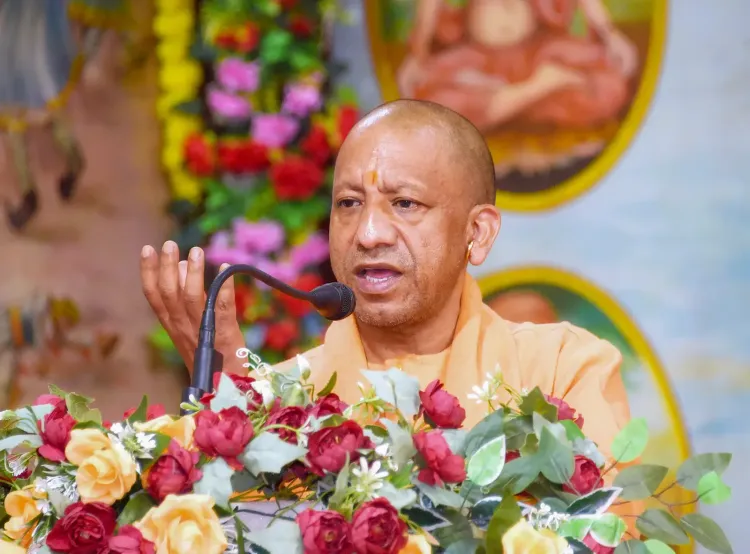
Uttar Pradesh Chief Minister Yogi Adityanath on Friday, 27 November 2026, took a veiled swipe at the Opposition in Balrampur. He said real results come not from speeches or sermons but from hard work, diligence and the honest discharge of one's duties. He made the remarks while addressing a religious event in the district, where he also paid tribute to Brahmaleen Mahant Mahendra Nath Ji Maharaj.
Veiled Attack on the Opposition
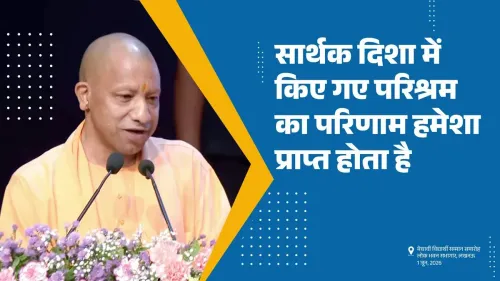
Adityanath did not name any party or leader. His message, however, was widely read as a dig at his political rivals. “Results are achieved not through speeches or sermons, but through hard work, diligence, and the honest discharge of one's responsibilities,” the Chief Minister said.
He set out a vision of shared national responsibility. A nation grows strong and prosperous, he said, only when every section of society does its part:
- students study sincerely
- teachers educate children effectively
- farmers toil in their fields
- traders conduct business honestly
- families instil values in their children
- saints spread social awareness
- cowherds care for cattle
Adityanath also urged that Prime Minister Narendra Modi's mantra of “Nation First” become the guiding principle for every Indian.
India and Sanatan Dharma ‘Inseparable’
The Chief Minister described India and Sanatan Dharma as inseparable and mutually reinforcing. “A strong India strengthens Sanatan Dharma, and a strong Sanatan Dharma, in turn, strengthens India,” he said.
He called gratitude a core tradition of Sanatan Dharma. He pointed to the rituals of Shraddh and Tarpan observed during Pitru Paksha, when Hindus set aside 15 days every year to remember and honour their ancestors.
Aurangzeb Anecdote and Ramayan References
Adityanath cited a historical anecdote involving the Mughal court. “When Mughal ruler Aurangzeb imprisoned his father Shah Jahan in Agra Fort and gave him only a small pot of water every 24 hours, Shah Jahan is said to have remarked that Hindus were better because they cared for their elders during their lifetime and continued to remember them after death through annual rituals of Shraddh and Tarpan,” he said.
He also drew on the Ramayan. He recalled how Lord Hanuman, on his mission to Lanka, declined an offer of rest from Mount Mainak, saying, “Ram Kaj Keenhe Binu Mohi Kahan Vishram” (How can I rest before completing Lord Ram's work).
He then quoted the Sanskrit maxim “Krite Cha Pratikartavyam Esha Dharma Sanatanah.” It means that returning kindness with gratitude is the essence of Sanatan Dharma.
Call for Unity Beyond Caste and Region
The Chief Minister linked these themes to national unity. “As long as followers of Sanatan Dharma uphold this spirit of gratitude and rise above divisions of caste, region, and language to think about the nation as one, India will remain secure and united,” he said.
Paying tribute to Brahmaleen Mahant Mahendra Nath Ji Maharaj, Adityanath praised the role of ascetics in public life. “Saints do not have personal families; they dedicate their lives to society, the nation, and religion,” he said.
Notably, the speech combined three recurring threads of Adityanath's public addresses: governance-by-performance, cultural nationalism and a call to bridge caste divisions. Political watchers will be looking at how the Opposition responds to the Chief Minister's latest jibe.
Point of View
Not speeches’ line is a familiar incumbent's weapon: it casts the Opposition as all rhetoric and the government as all delivery. The irony is that the line was itself delivered in a speech heavy on religious symbolism. Blending governance claims with Sanatan Dharma and a contested Mughal-era anecdote fits a well-worn BJP template in Uttar Pradesh. His call to rise above caste, region and language is the more consequential message, because caste arithmetic still decides elections in the state. Whether that appeal translates into measurable outcomes, rather than remaining rhetoric, is the standard his own remark sets.
NationPress
27 Nov 2026
Frequently Asked Questions
What did Yogi Adityanath say about the Opposition in Balrampur?
He said results are achieved not through speeches or sermons but through hard work, diligence and the honest discharge of one's responsibilities. He did not name anyone, but the remark was seen as a veiled attack on the Opposition.
Where and when did Yogi Adityanath make these remarks?
He spoke at a religious event in Balrampur, Uttar Pradesh, on Friday, 27 November 2026. At the event he also paid tribute to Brahmaleen Mahant Mahendra Nath Ji Maharaj.
What did Yogi Adityanath say about India and Sanatan Dharma?
He said the two are inseparable and strengthen each other. In his words, a strong India strengthens Sanatan Dharma, and a strong Sanatan Dharma in turn strengthens India.
What anecdote about Aurangzeb did Yogi Adityanath cite?
He said that when Aurangzeb imprisoned his father Shah Jahan in Agra Fort with only a small pot of water every 24 hours, Shah Jahan is said to have remarked that Hindus were better. According to the anecdote, this was because Hindus care for elders in life and honour them after death through Shraddh and Tarpan.
What message did Yogi Adityanath give on national unity?
He said India will remain secure and united as long as followers of Sanatan Dharma uphold a spirit of gratitude and rise above divisions of caste, region and language. He also urged every Indian to adopt PM Modi's ‘Nation First’ mantra.