What prompts Zomato to terminate nearly 5,000 gig workers each month? Insights from CEO Deepinder Goyal
Synopsis
Zomato's CEO Deepinder Goyal reveals shocking figures about the gig economy, stating that almost 5,000 workers are dismissed monthly for fraud, while many others voluntarily leave. Amidst growing gig worker unrest, the government is drafting new regulations to ensure better benefits for these workers. Discover the implications of these changes.
Key Takeaways
Zomato dismisses around 5,000 gig workers monthly due to fraud.
Approximately 150,000 to 200,000 workers leave voluntarily each month.
New regulations aim to improve gig worker benefits .
Workers must be engaged for 90 to 120 days to qualify for benefits.
Recent flash strikes highlight ongoing issues in the gig economy.
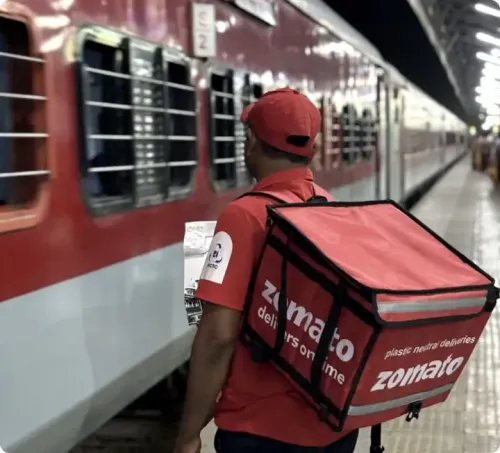
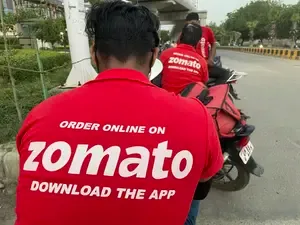
New Delhi, Jan 4 (NationPress) Zomato terminates nearly 5,000 gig workers each month primarily due to instances of fraud. Additionally, between 150,000 to 200,000 workers voluntarily exit the fast-food delivery service, as noted by the founder and CEO of its parent company Eternal, Deepinder Goyal. In a discussion with YouTuber Raj Shamani, Goyal pointed out that many who leave perceive gig work as a temporary employment option.
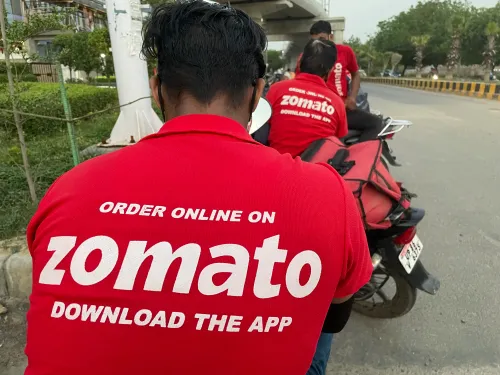
Recently, numerous gig workers from quick commerce and food delivery services, including Zomato, staged a flash strike on New Year’s Eve, advocating for increased wages, improved working conditions, and security benefits.
In response, the Ministry of Labour and Employment has drafted regulations concerning four new labour codes that aim to extend benefits to gig workers, such as minimum wage, health care, occupational safety, and social security.
Stakeholders are invited to provide feedback on these draft regulations, with the government targeting an implementation date for the comprehensive package on April 1.
According to the proposed rules, to qualify for social security benefits provided by the Centre, a gig or platform worker must have been associated with an aggregator for at least 90 days within a financial year. For workers engaged with multiple aggregators, the requirement increases to 120 days.
The notification, dated December 30, 2025, was issued a day prior to the flash strike for better wages and working conditions.
Furthermore, the regulations specify that a worker is deemed 'engaged' on any given day if they earn income from an aggregator, irrespective of the amount earned. If a worker collaborates with several aggregators, all engagement days will be cumulative. Notably, if a worker is active with three aggregators on the same day, it will count as three distinct days of engagement.
Point of View
The issues faced by gig workers highlight the urgent need for regulatory reforms. The increasing trend of terminations based on fraud underscores the challenges within the gig economy, while the government’s draft rules offer a glimmer of hope for better working conditions and benefits. Stakeholders must engage constructively in this dialogue to shape a balanced approach that protects workers while ensuring operational integrity.
NationPress
19 Sept 2026
Frequently Asked Questions
Why does Zomato terminate gig workers?
Zomato terminates gig workers primarily due to cases of fraud, which account for about 5,000 terminations each month.
How many workers leave Zomato voluntarily?
An estimated 150,000 to 200,000 workers leave Zomato on their own each month, often viewing gig work as a temporary position.
What new regulations are being drafted for gig workers?
The Ministry of Labour and Employment is drafting regulations to provide gig workers with benefits such as minimum wage, health care, and social security.
What is the engagement requirement for gig workers to qualify for benefits?
A gig worker must be associated with an aggregator for at least 90 days within a financial year to qualify for social security benefits. This requirement increases to 120 days for those working with multiple aggregators.
What happened during the New Year’s Eve strike?
Gig workers staged a flash strike on New Year’s Eve, demanding higher wages and better working conditions.