Can Just 10 Minutes of Intense Workouts Daily Help Prevent Bowel Cancer?

Synopsis
A groundbreaking study reveals that just 10 minutes of intense exercise daily can significantly impact fitness and even combat bowel cancer. Researchers emphasize the profound molecular changes that occur in the bloodstream, paving the way for innovative cancer treatments. Discover how this simple routine could be a game-changer for your health!
Key Takeaways
Just 10 minutes of daily exercise can combat bowel cancer.
Exercise triggers molecular changes in the bloodstream.
Over 1,300 genes are affected by exercise.
Exercise enhances DNA repair mechanisms in cells.
Short workouts can create a hostile environment for cancer cells .
New Delhi, Jan 3 (NationPress) Engaging in brief but vigorous exercise for just 10 minutes each day can not only enhance your fitness but also aid in combating bowel cancer, known medically as colorectal cancer, as revealed by recent research.
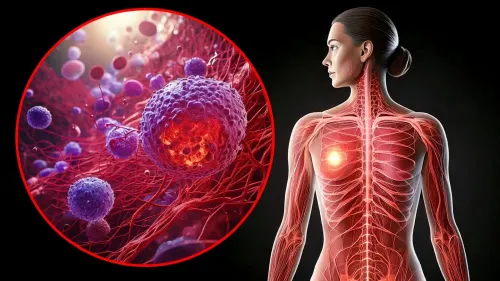
The investigation conducted by scholars at Newcastle University indicates that short, high-intensity workouts can instigate swift molecular transformations within the bloodstream, effectively inhibiting the proliferation of bowel cancer and accelerating the repair of DNA damage.
It was discovered that exercise elevates the levels of various small molecules in the bloodstream, many of which are associated with decreased inflammation, enhanced blood vessel functionality, and improved metabolism.
When these exercise-induced molecules were tested on bowel cancer cells in laboratory settings, alterations were observed in the activity of over 1,300 genes, including those responsible for DNA repair, energy generation, and the growth of cancer cells.
The results, published in the International Journal of Cancer, elucidate one mechanism through which exercise may safeguard against bowel cancer: by transmitting molecular signals in the bloodstream that modulate the activity of genes governing tumor growth and genomic instability.
Dr. Sam Orange, a Senior Lecturer in Clinical Exercise Physiology at Newcastle University and lead of the study, remarked, "What's remarkable is that exercise doesn't just benefit healthy tissues; it sends powerful signals through the bloodstream that can directly influence thousands of genes in cancer cells."
He added, "This is an exciting insight because it opens the door to discovering methods that can mimic or enhance the biological effects of exercise, potentially improving cancer treatment and, crucially, patient outcomes. In the future, these findings could pave the way for new therapies that replicate the positive impacts of exercise on cellular DNA repair and energy utilization."
The research team noted that exercise amplified the activity of genes that promote mitochondrial energy metabolism, allowing cells to utilize oxygen more effectively.
Simultaneously, genes associated with rapid cell growth were suppressed, potentially diminishing the aggressiveness of cancer cells. Moreover, blood conditioned by exercise promoted DNA repair by activating a crucial repair gene known as PNKP.
The study involved 30 volunteers, both male and female, aged between 50 and 78, all overweight or obese (a known cancer risk factor) but otherwise in good health.
After undergoing a brief, intense cycling exercise lasting around 10 minutes, researchers gathered blood samples and analyzed 249 proteins. They noted an increase in 13 proteins post-exercise, including interleukin-6 (IL-6), which aids in repairing the DNA of damaged cells.
Dr. Orange concluded, "These results imply that exercise benefits not only healthy tissues but may also create a more hostile environment for cancer cells to thrive. Even a single session can make a difference. A mere 10 minutes of exercise sends powerful signals throughout the body, reminding us that every effort counts in protecting our health."
Point of View
I find this research compelling, highlighting the significant role of exercise in disease prevention. The findings present a clear message: investing a small amount of time in physical activity can yield profound health benefits. This study not only sheds light on innovative cancer prevention strategies but also emphasizes the importance of maintaining an active lifestyle for overall well-being.
NationPress
30 Sept 2026
Frequently Asked Questions
How much exercise is recommended to combat bowel cancer?
The study suggests that just 10 minutes of intense exercise daily can help combat bowel cancer.
What are the benefits of short bursts of exercise?
Short bursts of exercise can increase fitness levels, reduce inflammation, and enhance blood vessel function.
How does exercise affect cancer cells?
Exercise triggers molecular changes that can alter the activity of genes involved in cancer cell growth and DNA repair.
What was the focus of the study conducted by Newcastle University?
The study focused on the effects of short, intense workouts on bowel cancer and molecular changes in the blood.
Can exercise benefit only healthy tissues?
No, the study found that exercise can also create a hostile environment for cancer cells, affecting their growth.