PM eBus Sewa: 3,500 riders board Gandhinagar's new electric buses on Day 1
Synopsis
Gandhinagar's first electric bus fleet under PM eBus Sewa pulled in 3,500 riders within hours of its launch — a striking Day 1 signal for a scheme that bets on clean urban mobility at scale. With 40 AC buses, UPI ticketing, disability ramps, and free travel until 12 July, the city is running a live stress-test of whether India's tier-2 cities are ready to ditch diesel for good.
Key Takeaways
3,500 passengers used Gandhinagar's new electric bus service by 3 pm on its first day, 29 June .
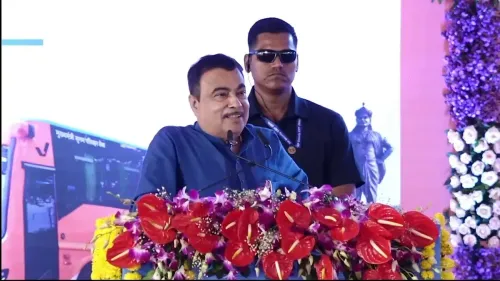
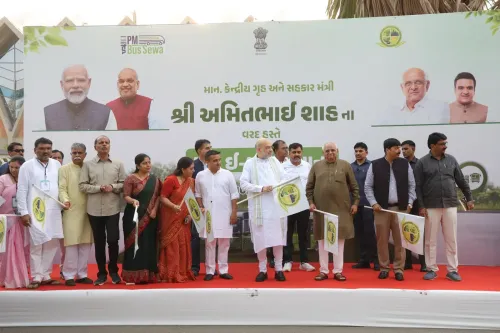
Union Home Minister Amit Shah inaugurated the service under the PM eBus Sewa programme.
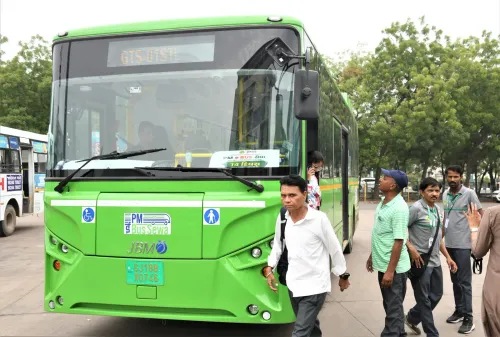
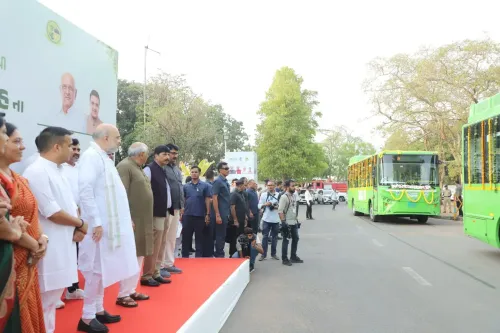
40 fully air-conditioned electric buses are deployed across multiple routes linking Gandhinagar with surrounding areas.
Buses feature disability ramps , designated seating for women and senior citizens , and UPI/QR-code ticketing .
Travel remains free of charge until 12 July to encourage early adoption.
Route expansion and fleet scaling will be guided by passenger demand data from the current phase.
Gandhinagar's newly launched electric bus service under the 'PM eBus Sewa' initiative recorded approximately 3,500 passengers by 3 pm on its first day of operation, Sunday, 29 June, according to official data. The strong early uptake signals rapid commuter adoption of what is being positioned as a cleaner, more accessible public transport alternative for the Gujarat capital.
Launch and First Phase Rollout
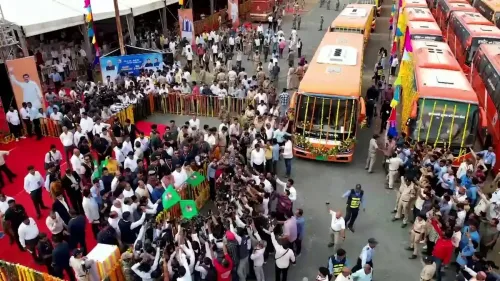
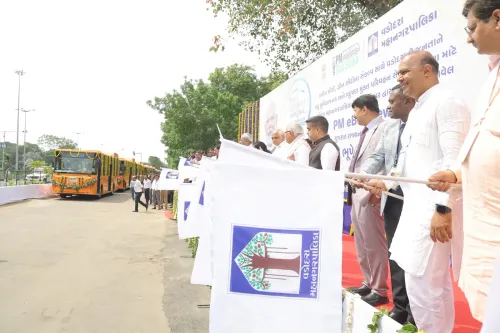
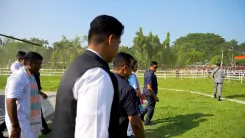
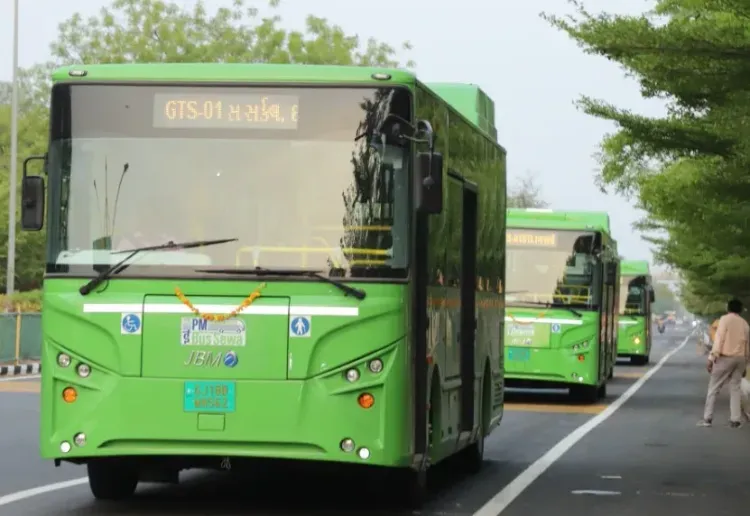
The service was inaugurated by Union Home and Cooperation Minister Amit Shah, who flagged off the fleet of fully air-conditioned electric buses marking the project's first phase. The rollout has been executed by the Gandhinagar Municipal Corporation under the centrally supported PM eBus Sewa programme. A total of 40 electric buses are currently deployed across multiple routes connecting Gandhinagar city with surrounding areas.
Passenger Features and Accessibility
The buses are fully air-conditioned and equipped with accessibility infrastructure, including ramps for persons with disabilities and designated seating for women and senior citizens. A digital ticketing system enabling cashless payments via QR code scanning and the Unified Payments Interface (UPI) has been integrated across the fleet, aligning the service with India's broader push toward digital public services.
Free Travel Until July 12
To ease commuters into the new system and encourage adoption, the Gandhinagar Municipal Corporation has announced that all travel on the electric buses will remain free of charge until 12 July. Officials noted that the early passenger figures would be assessed to guide route expansion and fleet deployment in subsequent phases of the programme.
Environmental and Urban Impact
Authorities expect the electric fleet to contribute to measurable reductions in local air pollution and greenhouse gas emissions as part of wider urban sustainability objectives. This comes amid a national push to decarbonise city transport, with the PM eBus Sewa scheme targeting electric bus deployment across multiple Indian cities. The Gandhinagar Municipal Corporation has confirmed that the network will be scaled in stages, contingent on operational performance and passenger demand data collected in the coming weeks.
Point of View
500-rider Day 1 figure is encouraging, but the real test comes after 12 July when the free-fare window closes and commuters must choose between the electric bus and existing alternatives. PM eBus Sewa's long-term success in mid-sized cities like Gandhinagar hinges on route density and frequency — factors that 40 buses across an entire city will strain quickly if demand holds. The UPI-first ticketing model is a sound inclusion push, but accessibility for non-smartphone users remains an unaddressed gap. Amit Shah's personal inauguration signals political priority; the harder question is whether operational funding will keep pace once the launch optics fade.
NationPress
29 Sept 2026
Frequently Asked Questions
What is the PM eBus Sewa scheme launched in Gandhinagar?
PM eBus Sewa is a centrally supported programme under which the Gandhinagar Municipal Corporation has deployed 40 fully air-conditioned electric buses across multiple city routes. The service was inaugurated on 29 June by Union Home Minister Amit Shah as part of the scheme's first phase in Gujarat.
How many passengers used the Gandhinagar electric bus service on Day 1?
Approximately 3,500 passengers used the service by 3 pm on the first day of operations, 29 June, according to official data. Officials described the early uptake as an indicator of rapid commuter adoption.
Is the Gandhinagar electric bus service free to use?
Yes, travel on the electric buses is free of charge until 12 July. The Gandhinagar Municipal Corporation introduced the free-fare period to help commuters familiarise themselves with the new service.
What accessibility and payment features do the buses offer?
The buses are equipped with ramps for persons with disabilities and have designated seating for women and senior citizens. Ticketing is fully digital, supporting cashless payments via QR code scanning and UPI.
Will more electric bus routes be added in Gandhinagar?
Yes, according to officials, the network will be expanded in stages based on operational performance and passenger demand data gathered during the current phase. Early ridership figures will directly inform route and fleet decisions for subsequent phases.