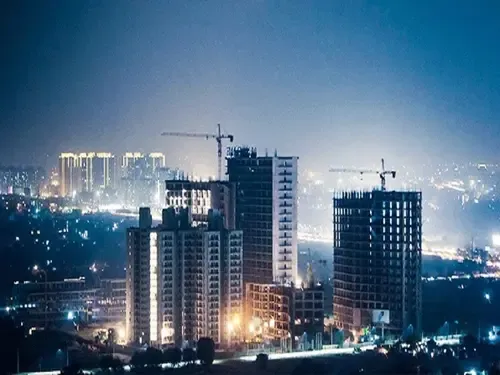
Are 66% of Existing Users Ready to Invest in Properties Along India's RRTS Corridors?
Synopsis
A recent report highlights that nearly 66% of current users are keen to invest in properties along India's RRTS corridors, driven by enhanced connectivity and economic opportunities. With 80% linking RRTS improvements to regional growth, the findings suggest significant potential for investment in real estate, making this a critical moment for urban development.
Key Takeaways
66% of users are interested in investing in RRTS corridors.
80% associate connectivity with economic growth.
Investment sentiment is influenced by commercial activity.
Decentralization potential exists with 38% open to relocating.
Integrated development is key to unlocking investment potential.
New Delhi, Dec 26 (NationPress) The Regional Rapid Transit System (RRTS) is proving to be a significant driver of corridor-based investments in the nation. A recent report reveals that nearly 80% of current users link enhanced RRTS connectivity to increased economic prospects in their locality.
When infrastructure improvements are evident, perceptions of economic growth strengthen markedly, boosting confidence by more than 2.25 times. This heightened confidence manifests in real estate interest, with 66% of existing users indicating a willingness to invest in properties near the RRTS corridor, as reported by Knight Frank India.
The presence of commercial activities and ongoing real estate projects significantly influences investment sentiment, amplifying the intent to invest by 10.2 times and 7.7 times, respectively.
Furthermore, the findings suggest a notable opportunity for decentralization, with 38% of respondents expressing a readiness to move away from major urban centers. However, this willingness strongly depends on the availability of adequate social infrastructure, highlighting the necessity for integrated residential, commercial, and civic development to fully unlock the investment potential of RRTS corridors.
“The RRTS is a crucial infrastructure initiative for India's urban and regional transport landscape. Commuters prioritize time savings, safety, and reliability, and are inclined to embrace modern transport solutions when connectivity functions seamlessly,” stated Shishir Baijal, International Partner, Chairman, and Managing Director of Knight Frank India.
For policymakers and urban planners, effective integration of mobility and urban development is essential. For investors and developers, RRTS corridors present real opportunities for growth where infrastructure aligns with land-use planning and commercial momentum.
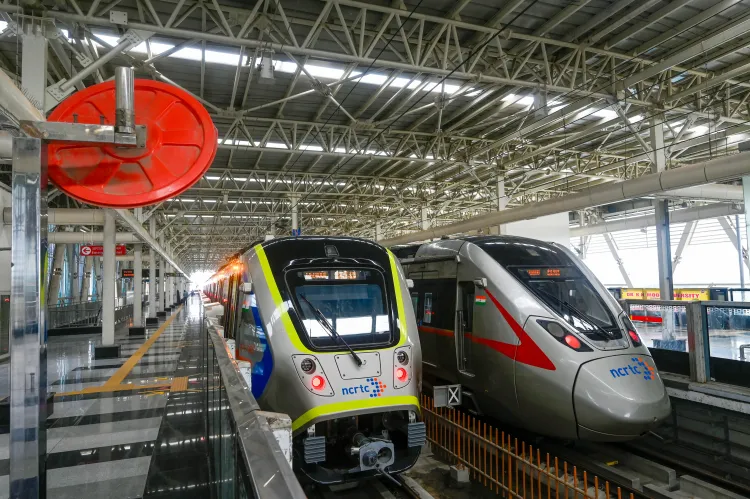
The RRTS is exemplified by the flagship Delhi–Ghaziabad–Meerut corridor, currently under development by the National Capital Region Transport Corporation (NCRTC). This corridor has received approval for a budget exceeding Rs 30,000 crore and will ultimately cover 82 km, significantly reducing travel time between Delhi and Meerut to under an hour.
The priority portion of the system is already operational, and ongoing funding illustrates the government's steadfast commitment to completing this vital project.
Point of View
It is crucial to recognize the transformative potential of the RRTS corridors. This infrastructure initiative not only enhances connectivity but also unlocks immense economic opportunities, fostering a more integrated urban landscape. The willingness of users to invest in properties along these corridors signals a pivotal shift towards decentralized urban development, making it imperative for stakeholders to leverage this momentum for sustainable growth.
NationPress
2 Oct 2026
Frequently Asked Questions
How much investment is required for the RRTS corridors?
The flagship Delhi–Ghaziabad–Meerut corridor has been approved at a cost exceeding Rs 30,000 crore.
What percentage of users are willing to invest in properties along RRTS corridors?
According to recent reports, 66% of existing users are eager to invest in real estate near RRTS corridors.
How does improved RRTS connectivity affect economic opportunities?
Nearly 80% of surveyed users associate enhanced RRTS connectivity with increased economic opportunities in their regions.
What role does social infrastructure play in investment willingness?
The willingness to relocate from urban centers is closely tied to the availability of supporting social infrastructure, which is vital for integrated development.