Arthritis drug upadacitinib restores full hair in alopecia trial
Synopsis
An arthritis pill called upadacitinib restored at least 80 per cent of scalp hair in roughly half of severe alopecia areata patients within just 24 weeks — and reached 100 per cent regrowth in some — in a landmark Harvard-led international trial published in JAMA Dermatology on August 12.
Key Takeaways
Upadacitinib , a once-daily oral arthritis drug, produced at least 80 per cent scalp hair regrowth in approximately half of severe alopecia areata patients within 24 weeks .
Some participants achieved 100 per cent hair restoration, according to trial data.
Trial participants had lost an average of 84 per cent of scalp hair before treatment, with some seeing no regrowth for at least six months .
The international trials were conducted across hospitals in North America , Europe , and China , led by researchers at Harvard University and Brigham and Women's Hospital .
Results were published in JAMA Dermatology on August 12 , and are expected to inform regulatory review for a new alopecia areata indication.
Upadacitinib, a once-daily oral pill approved for arthritis, restored at least 80 per cent of scalp hair in roughly half of severe alopecia areata patients within 24 weeks in a large international clinical trial, according to findings published in JAMA Dermatology on August 12. The results mark a significant milestone for a condition that has long lacked reliably effective treatment options.
What the trial found
Researchers at Harvard University, led by teams including scientists at Brigham and Women's Hospital and Harvard Medical School, conducted two large parallel clinical trials spanning hospitals across North America, Europe, and China. Participants had severe alopecia areata (AA) — on average, they had lost about 84 per cent of their scalp hair, and some had seen no regrowth for at least six months.
Volunteers were randomly assigned to receive either a 15 mg dose, a 30 mg dose, or a placebo pill daily. Within 24 weeks, approximately half of those taking upadacitinib — across both doses combined — achieved at least 80 per cent scalp hair regrowth. In some patients, hair restoration reached 100 per cent, according to the trial data.
Why it matters
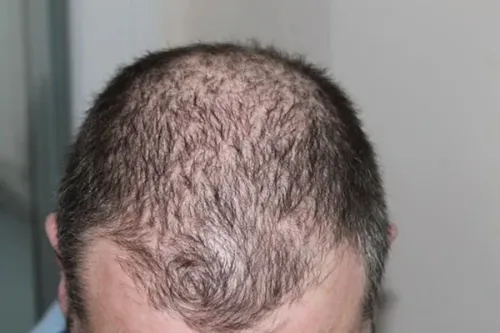
Alopecia areata is an autoimmune condition in which the body's immune system mistakenly attacks hair follicles, triggering unpredictable hair loss that can range from isolated patches to complete loss of scalp, eyebrow, and body hair. The psychological toll — eroding confidence, social withdrawal, and mental health strain — is well documented.
Upadacitinib works by suppressing the same class of immune overreaction that drives follicle destruction, mirroring its established mechanism in arthritis. The drug's repurposing to dermatology represents a growing trend of JAK inhibitor drugs crossing therapeutic boundaries.
The competitive backdrop
Upadacitinib is not the first JAK inhibitor to enter the alopecia space — baricitinib received FDA approval for severe alopecia areata in 2022, followed by ritlecitinib in 2023. However, the scale and international scope of this trial, and the proportion of patients achieving near-complete or full regrowth, adds competitive weight to upadacitinib's candidacy in this space.
What's next
The publication of these results in JAMA Dermatology is expected to accelerate regulatory review discussions for upadacitinib's potential approval in the alopecia areata indication. Dermatologists and patient advocacy groups are closely watching next steps from the drug's manufacturer. The trial's multi-continental scope — covering North America, Europe, and China — strengthens the generalisability of the findings across diverse populations.
Broader adoption will hinge on safety data over longer follow-up periods and on how regulators weigh the drug's known risk profile from its arthritis indication against the benefits for alopecia patients.
Point of View
Effectively expanding blockbuster drugs' commercial lifespans without the cost of de-novo discovery. What mainstream coverage often underplays is the regulatory precedent already set by baricitinib and ritlecitinib — upadacitinib enters a pathway, not a vacuum, which shortens the timeline to potential approval. The multi-continental trial design, spanning North America, Europe, and China, is also strategically significant: it pre-empts the diversity-in-trials scrutiny that has slowed other dermatology approvals. The real watch point is long-term safety data, given JAK inhibitors carry class-wide warnings on cardiovascular risk and malignancy that regulators will weigh carefully against a non-life-threatening but psychologically debilitating condition.
NationPress
30 Aug 2026
Frequently Asked Questions
What is upadacitinib and how does it treat alopecia areata?
Upadacitinib is a once-daily oral JAK inhibitor originally approved to treat arthritis by suppressing immune system inflammation. In alopecia areata, it works by calming the same type of immune overreaction that attacks hair follicles, allowing hair to regrow. The drug is taken as a pill, making it more convenient than many existing treatments.
What were the key results of the upadacitinib alopecia trial?
Within 24 weeks, roughly half of participants taking upadacitinib — across both the 15 mg and 30 mg doses — achieved at least 80 per cent scalp hair regrowth. Some patients experienced 100 per cent hair restoration. Trial participants had lost an average of 84 per cent of their scalp hair before the study began.
Who conducted the alopecia areata upadacitinib trial?
The trials were led by researchers at Harvard University, including scientists at Brigham and Women's Hospital and Harvard Medical School. The international study enrolled patients across hospitals in North America, Europe, and China, and the results were published in JAMA Dermatology on August 12.
Is upadacitinib approved for alopecia areata?
As of the trial's publication on August 12, upadacitinib had not yet received regulatory approval specifically for alopecia areata. The published trial results are expected to support regulatory review for this new indication. Other JAK inhibitors, baricitinib and ritlecitinib, have already received FDA approval for severe alopecia areata.
Who is most affected by alopecia areata and why does this treatment matter?
Alopecia areata is an autoimmune condition that can affect anyone, causing unpredictable hair loss ranging from small patches to complete loss of scalp, eyebrow, and body hair. Until now, there has been no reliably effective treatment, and the condition carries a significant psychological burden. A well-tolerated oral pill achieving near-complete or full regrowth in a large international trial represents a major step forward for patients with severe disease.