India's iFMS now covers 14 crore Aadhaar-linked farmers in digital fertiliser push
Synopsis
India's fertiliser subsidy machine just got a major digital overhaul. With 14 crore Aadhaar-linked farmers, ₹2 lakh crore in annual subsidies, and a new QR-based booking system tied to AgriStack land records, iFMS is shifting from transaction recorder to a real-time intelligence platform for one of the country's most critical agricultural inputs.
Key Takeaways
iFMS now covers more than 14 crore Aadhaar-linked farmers and over 2.5 lakh retailers across India.
The system processes approximately 7 crore metric tonne of fertiliser sale transactions annually and supports nearly ₹2 lakh crore in annual fertiliser subsidies.
New dashboards enable monitoring at national, state, district, and retailer levels for early detection of supply disruptions.
The Framework for Fertiliser Sale (FFS) introduces QR-based booking linked to AgriStack land and ownership records, being rolled out in phases.
The Vehicle Location Tracking System (VLTS) has been introduced to improve visibility into fertiliser movement across the supply chain.
Random verification mechanisms and analytical checks are being added to strengthen scrutiny of Direct Benefit Transfer (DBT) transactions.
India's Integrated Fertiliser Management System (iFMS) has entered a significant new phase, with a suite of digital upgrades aimed at improving transparency, ensuring timely fertiliser availability, and enabling data-driven oversight of the country's fertiliser supply chain, according to an official statement released on Sunday, 30 August. The system now covers more than 14 crore Aadhaar-linked farmers, making it one of the largest digitally administered agricultural subsidy platforms in the world.
Scale and Reach of iFMS
The platform currently connects more than 2.5 lakh retailers and processes around 7 crore metric tonne of fertiliser sale transactions annually. It also underpins the administration of India's fertiliser subsidy, which amounts to nearly ₹2 lakh crore per year. Developed and technically maintained by the National Informatics Centre (NIC) for the Department of Fertilisers, iFMS integrates every critical stage of the fertiliser ecosystem — from production and imports to movement, stock availability, retail sale, and subsidy processing.
New Dashboards and Analytical Tools
A key addition in this phase is a set of new dashboards and analytical tools that give officials a consolidated, real-time view of fertiliser production, imports, dispatches, movement, stocks, and retail sales. Monitoring is now possible at the national, state, district, and retailer levels, enabling early identification of unusual supply trends or emerging shortages before they escalate into crises. This represents a shift from reactive to proactive supply management.
Integration with AgriStack and Farmer Databases
An important structural advance has been the integration of iFMS with farmer, land, and crop databases maintained by state governments and other government platforms. Integration with Meri Fasal Mera Byora (MFMB) in Haryana, and subsequent work toward linkage with AgriStack, has created mechanisms for matching fertiliser purchase transactions with individual farmer and land records. According to the official statement, this experience also surfaced practical challenges around the availability, completeness, and quality of land and crop data — challenges the Department is now working to address.
The combined use of fertiliser transaction data and agricultural data, officials noted, has demonstrated strong potential for building a more accurate understanding of actual fertiliser requirements and consumption patterns across regions.
Framework for Fertiliser Sale and QR-Based Booking
The Framework for Fertiliser Sale (FFS) has emerged as a significant initiative within the iFMS ecosystem. It integrates a mobile app-based fertiliser booking system with the existing Point of Sale (PoS) network. Under this framework, a farmer can book required fertiliser using an ID created in AgriStack, following verification of land and ownership details. A QR-based booking is then generated, which is accessed at the PoS device to verify the quantity booked against the quantity ultimately purchased. The framework is being rolled out in a phased manner, allowing the Department and participating states to study booking behaviour, land and crop data, and operational issues before wider deployment.
Vehicle Tracking and Subsidy Safeguards
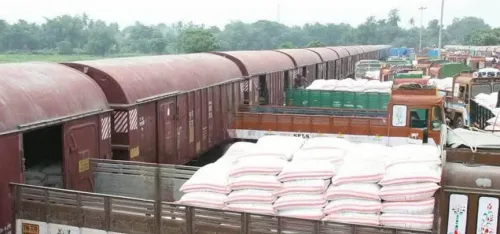
Digital monitoring of fertiliser movement has been further strengthened through the Vehicle Location Tracking System (VLTS), which provides greater visibility into how fertiliser moves across the supply chain. On the subsidy front, iFMS continues to link payments to actual sales recorded through the PoS network. Random verification mechanisms and additional analytical checks are also being introduced to strengthen scrutiny of Direct Benefit Transfer (DBT)-related transactions, making subsidy processing more efficient while improving digital auditability. Together, these measures represent a broader evolution in how India manages one of its most critical agricultural inputs.
Point of View
Gaps in crop information — points to the system's real vulnerability: garbage in, garbage out. The QR-based booking and AgriStack integration are the right direction, but phased pilots have a habit of staying phased in Indian government programmes. The harder question is whether the analytical layer being built will ever be used to rationalise subsidy allocation by actual crop need, rather than simply digitise the existing distribution pattern.
NationPress
15 Oct 2026
Frequently Asked Questions
What is India's Integrated Fertiliser Management System (iFMS)?
iFMS is a national digital platform developed by the National Informatics Centre for the Department of Fertilisers that connects every stage of the fertiliser supply chain — from production and imports to retail sale and subsidy processing. It currently covers more than 14 crore Aadhaar-linked farmers and supports administration of nearly ₹2 lakh crore in annual fertiliser subsidies.
How many farmers and retailers are covered under iFMS?
iFMS covers more than 14 crore Aadhaar-linked farmers who purchase fertiliser and over 2.5 lakh retailers, processing around 7 crore metric tonne of fertiliser sale transactions annually.
What is the Framework for Fertiliser Sale (FFS)?
The Framework for Fertiliser Sale is an initiative that integrates a mobile app-based fertiliser booking system with the existing iFMS Point of Sale network. Farmers can book fertiliser using an AgriStack-based ID, after which a QR code is generated and verified at the retailer's PoS device to match the quantity booked with the quantity purchased. It is currently being rolled out in a phased manner.
How is iFMS being integrated with AgriStack and state databases?
iFMS has been integrated with Haryana's Meri Fasal Mera Byora platform and is being progressively linked with AgriStack, which holds farmer, land, and crop records. This linkage allows fertiliser transactions to be matched with individual farmer and land data, improving targeting of subsidies and enabling better analysis of actual fertiliser requirements.
What safeguards are in place to prevent fertiliser subsidy fraud?
Subsidy payments under iFMS are linked to actual sales recorded through the Point of Sale network. The system is also introducing random verification mechanisms and additional analytical checks to strengthen scrutiny of Direct Benefit Transfer transactions, improving both digital controls and auditability of subsidy disbursements.