BRICS MSME Forum 2026: India pushes MSMEs as innovation and export drivers
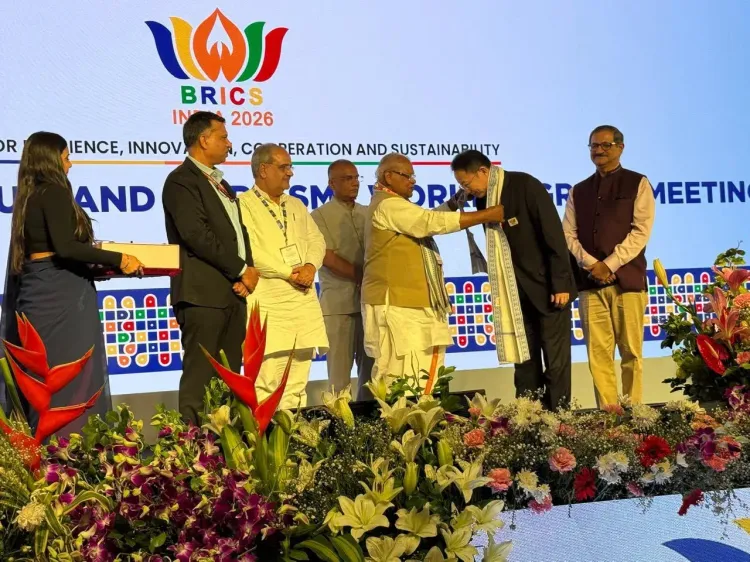
Synopsis
At the inaugural BRICS MSME Forum 2026 in Agra, India's MSME Minister Jitan Ram Manjhi called for a BRICS-wide framework to turn small businesses into innovation and export powerhouses — a signal that New Delhi is positioning MSMEs as the centrepiece of its multilateral economic diplomacy, not just a domestic growth story.
Key Takeaways
Union Minister Jitan Ram Manjhi addressed the inaugural BRICS MSME Forum 2026 in Agra on 20 June 2026 .
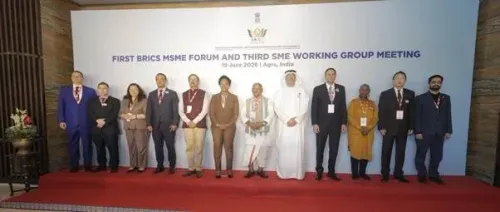
The forum followed the third BRICS SME Working Group Meeting , focusing on MSME ecosystems, sustainability, and global competitiveness.
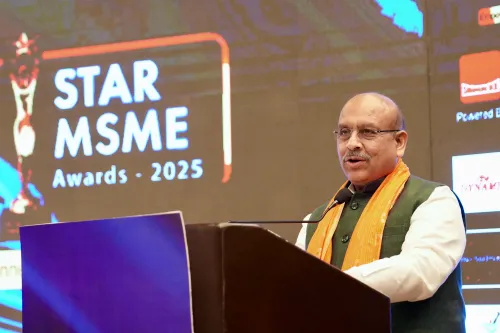
State Minister Bhupendra Chaudhary highlighted Uttar Pradesh's emergence as one of India's fastest-growing economic regions, driven by MSMEs.
MSME Secretary Bharat Khera identified technology adoption, sustainable manufacturing, digital transformation, and skilling as key BRICS collaboration areas.
India reaffirmed its commitment to knowledge-sharing and stronger economic partnerships among BRICS member countries.
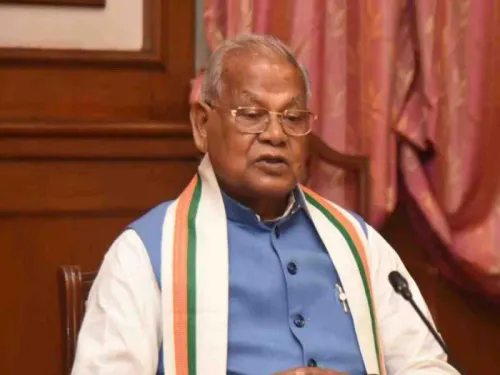
Union Minister for Micro, Small and Medium Enterprises Jitan Ram Manjhi on 20 June 2026 called for a robust BRICS-wide framework to transform MSMEs into engines of innovation, exports, and employment, speaking at the inaugural BRICS MSME Forum 2026 held in Agra. The forum brought together government representatives, policymakers, industry leaders, and private-sector stakeholders from BRICS Member and Partner Countries.
Key Developments at the Forum
The BRICS MSME Forum 2026 followed the third BRICS SME Working Group Meeting, marking a significant step in advancing economic cooperation among BRICS nations with a dedicated focus on small and medium enterprises. The event centred on strengthening MSME ecosystems, fostering sustainability, and enhancing global competitiveness across member economies.
Minister Manjhi underscored that challenges facing enterprises today — from financing gaps and technology adoption to sustainability and market access — demand collaborative, multilateral solutions. 'BRICS countries possess immense strengths and complementary capabilities. Through continued dialogue and cooperation, we can build a robust framework that empowers MSMEs to become drivers of innovation, exports and employment,' he said at the forum.
Uttar Pradesh's MSME Push
Bhupendra Chaudhary, State Minister for MSME, highlighted that Uttar Pradesh has emerged as one of India's fastest-growing economic regions, with MSMEs playing a transformative role in employment generation and grassroots development. 'Our focus remains on creating an enabling ecosystem through infrastructure development, policy support, skill enhancement and digital empowerment. The exchange of global best practices through platforms such as the BRICS MSME Forum will further strengthen these efforts,' Chaudhary said.
What the Government Said
Bharat Khera, Secretary, Ministry of MSME, positioned small businesses as far more than economic units. 'MSMEs are not merely economic units; they are engines of innovation, employment, entrepreneurship and regional development,' he noted. Khera pointed to significant collaboration potential across technology adoption, sustainable manufacturing, digital transformation, skilling, and market access as BRICS economies expand their global influence.
India also reaffirmed its commitment to fostering stronger economic partnerships and facilitating knowledge-sharing among BRICS member countries — a signal that New Delhi views the BRICS MSME platform as a strategic channel for trade and investment linkages beyond bilateral agreements.
Why It Matters
MSMEs account for a substantial share of India's employment and export earnings, making their global competitiveness a direct lever for inclusive growth. This comes amid a broader push by the Centre to integrate Indian small businesses into global value chains. Notably, the BRICS grouping now includes Partner Countries, widening the potential market and collaboration base for Indian MSMEs beyond the original five-nation bloc. The forum's emphasis on digital transformation and sustainable manufacturing aligns with India's domestic policy priorities under schemes targeting MSME formalisation and technology upgradation.
What Comes Next
Deliberations from the forum are expected to feed into BRICS-level policy recommendations on MSME financing, digital infrastructure, and cross-border market access. Industry stakeholders and policymakers will look for concrete follow-through mechanisms — including bilateral agreements and joint programmes — to translate forum commitments into measurable outcomes for small businesses across member nations.
Point of View
But the gap between forum rhetoric and on-ground outcomes for small businesses has historically been wide. India's MSMEs still face acute credit access problems and technology deficits that no amount of multilateral dialogue alone can fix. The real question is whether BRICS cooperation translates into preferential trade lanes, joint financing vehicles, or technology-transfer agreements — or whether it remains a declaration exercise. With BRICS now expanded to include Partner Countries, the market opportunity is real, but Indian MSMEs will need domestic structural reforms alongside global frameworks to actually capture it.
NationPress
19 Sept 2026
Frequently Asked Questions
What is the BRICS MSME Forum 2026?
The BRICS MSME Forum 2026 is an inaugural multilateral platform held in Agra on 20 June 2026, bringing together government officials, policymakers, industry leaders, and private-sector stakeholders from BRICS Member and Partner Countries to strengthen MSME ecosystems and enhance global competitiveness. It followed the third BRICS SME Working Group Meeting.
What did MSME Minister Jitan Ram Manjhi say at the forum?
Minister Jitan Ram Manjhi called for a robust BRICS-wide framework to empower MSMEs as drivers of innovation, exports, and employment. He stressed that challenges such as financing, technology adoption, sustainability, and market access require collaborative solutions among BRICS nations.
Why is Uttar Pradesh significant in India's MSME story?
State Minister Bhupendra Chaudhary noted that Uttar Pradesh has emerged as one of India's fastest-growing economic regions, with MSMEs playing a transformative role in employment generation and grassroots development. The state is focused on infrastructure, policy support, skilling, and digital empowerment for its MSME sector.
What areas of BRICS collaboration were highlighted for MSMEs?
MSME Secretary Bharat Khera identified technology adoption, sustainable manufacturing, digital transformation, skilling, and market access as key areas for BRICS collaboration. He said stronger partnerships and knowledge-sharing can build MSME ecosystems that are resilient, competitive, and globally connected.
What is the significance of the forum following the BRICS SME Working Group Meeting?
The forum building on the third BRICS SME Working Group Meeting signals a structured, ongoing multilateral engagement on MSME policy — moving beyond one-off declarations toward a sustained cooperative framework among BRICS economies.